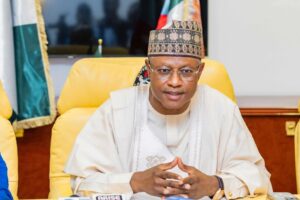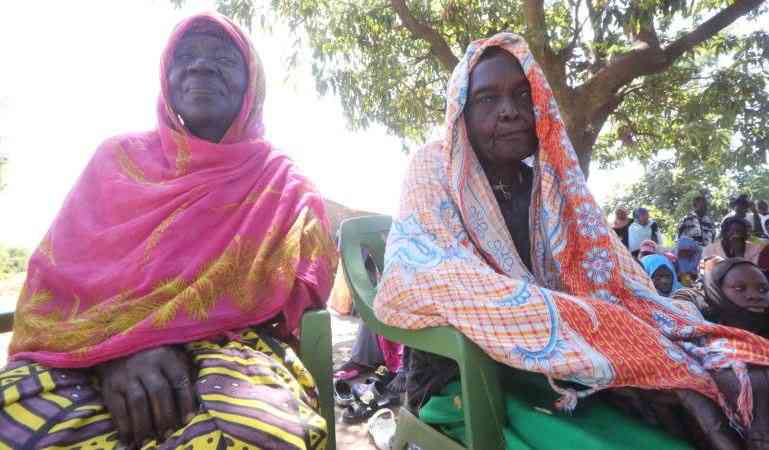
Members of the Nubian Community. [File, Standard]
The Nubian community has renewed its call for formal ethnic recognition, saying decades of administrative ambiguity and historical injustice continue to deny them equal access to citizenship rights, land security and political representation.
Speaking on behalf of the Nubian Council of Elders Dr Musa Mohamed said the community has endured more than a century of discrimination despite its deep historical roots in Kenya.
“For generations, we have been treated as if we are not part of this nation. Formal recognition is not a favor, it is a right and a correction of a historical wrong,” Mohamed said
He was speaking during a community engagement forum with Professor Makau Mutua, senior advisor on constitutional affairs and Human rights at the office of the president.
Follow The Standard
channel
on WhatsApp
The Nubian community traces its presence in Kibra to the early 1900s, when Nubian soldiers serving in the British colonial army were settled on vast tracts of land as a reward for their service.
Over time, however, much of this land was taken over or reallocated without their consent, leaving the community without a secure title and vulnerable to eviction.
Mohamed said this history continues to shape the community’s struggle for land rights, documentation and political inclusion.
Although the Government abolished formal vetting committees in 2025, Nubians still face additional verification requirements before obtaining national identity cards and passports.
“These practices treat us as presumptive foreigners and make it difficult for our people to access jobs, education, travel and voting rights,” he said.
He said that this additional scrutiny makes it difficult for them to get identification cards and passports.
“This translates to employment, our tribe not being recognized as a formal ethnic group in Kenya has cost most of our youths employment opportunities,” he said.
The community also criticized the limited land restitution efforts in Kibera. While they received a 288-acre title deed in 2017, they insist the allocation represents only a fraction of the land originally set aside for them during the colonial period.
Mohamed said the result is persistent overcrowding, tenure insecurity and the continued risk of evictions in both Kibera and areas such as Kibos.
“Our people are still being displaced because recognition issues have not been resolved,” he said.
Beyond land and documentation, the community says a lack of formal recognition has weakened their political voice and denied them access to affirmative action programmes meant to support marginalized communities.
Stay informed. Subscribe to our newsletter
Mohamed said Nubians remain underrepresented in public service, elective positions and government-sponsored academic opportunities despite their long-established presence in Kenya.
“We have petitioned Parliament repeatedly, including in 2021, but no meaningful action has been taken,” he said.
He urged the President to issue a formal proclamation and gazettement recognizing Nubians as an indigenous ethnic community, arguing that this is the only definitive way to resolve the matter.
“We appreciate the issuance of Code 50, but it does not make us an ethnic group in law. Only gazettement will provide the recognition we have sought for decades,” he said.
Responding on behalf of the Presidency, Professor Makau Mutua assured the community that the Head of State had taken note of their grievances.
“The President has heard your plea and I am here to assure you that he will act on it with urgency. You are all Kenyans and deserve not to be discriminated in any form,’ Makau noted.
Mohamed added that the struggle for recognition is tied to Kenya’s constitutional promises of equality, dignity and justice.
“Recognizing the Nubian community is not just administrative, it is a historical obligation,” he said.
He noted that formal recognition, fair documentation processes, land restitution and affirmative action would restore dignity to the community and strengthen Kenya’s commitment to building an inclusive and cohesive nation.
Follow The Standard
channel
on WhatsApp