Drivers are being told to make note of the change for future tests
Laura Lyne and Shauna Bannon Ward
14:58, 08 Dec 2025
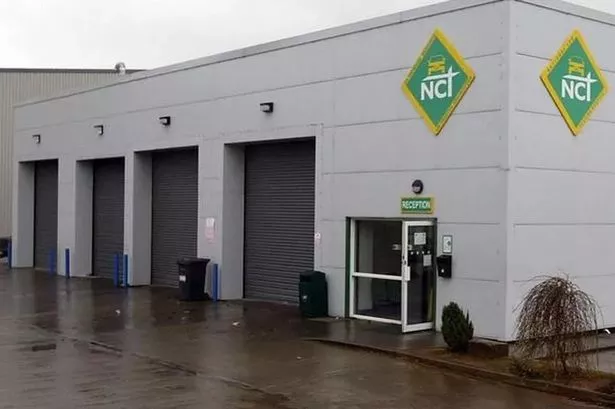
An NCT centre(Image: Collins)
Motorists are being notified of an NCT modification that’s already come into force.
The National Car Testing Service has revealed they started implementing the alteration during the summer months. Officials stated the adjustment is environmentally motivated and will preserve over 1.5 million paper sheets annually.
Going forward, drivers can now opt to receive their Vehicle Inspection Report (VIR) electronically via email rather than the traditional paper format. The VIR represents a vital document that car owners obtain following their NCT, detailing their vehicle’s state, including any faults discovered during examination, reports Dublin Live.
It will also indicate whether you’ve achieved a pass or fail result. This matters significantly as you’ll require it to carry out essential fixes before resubmitting your car for retesting.
According to the NCT website: “Good news for motorists: the National Car Testing Service (NCTS) is going greener. Drivers who pass their NCT can now choose to have their results sent straight to their inbox, skipping the need for a printed report.
“This simple switch is set to save more than 1.5 million sheets of paper every year – a small change with a big environmental impact. If your car doesn’t pass, though, you’ll still get the familiar printed report at the test centre. That way, inspectors can explain any remedial work required to our customers, face-to-face.”
NCTS General Manager Mark Synnott said: “The paperless option is proving popular with over 80% of customers choosing to get their VIR via email. Most customers prefer the electronic report. Since mid-July we’ve been giving drivers the choice, and now that it’s working smoothly, we’re stopping the printing of passing reports for anyone who opts for email instead.”
A motor can fall short of NCT standards for numerous reasons. Aviva has previously put together a breakdown of the most frequent causes of failure.
These include:
Tyres
Ensure you haven’t got mismatched shapes and sizes, worn treads, and visible damage on your tyres.
Verify that your tyres have matching pairs on each axle at the front and rear, that there are no obvious bulges, scratches, or cuts on the surface, and that you’ve pumped them up to the recommended pressure specified by your manufacturer.
Given Ireland’s changeable weather, bear in mind that during cooler months, as temperatures fall, your tyre pressure drops too.
It’s wise to examine your tread depth. You can accomplish this by placing a €1 coin into a groove. If you can spot the outer gold ring, it’s excessively worn.
Ensure you carry out that check thoroughly, at various points along each groove, on every tyre, as just one worn section can catch you out. Certain tyres even feature a Tread Wear Indicator.
This appears as a ribbed bar stretching across the tyre that’s positioned evenly throughout the main grooves in the tyre tread. If your tyre treads are flush with the ribbed bar, it’s time to replace your tyre.
In Ireland, the legal minimum tread depth is 1.6mm, but for optimal safety, Aviva suggests a tread depth between 8mm and 4mm.
Common car light failures
To sail through the NCT, your lights must be in tip-top shape with no cracks or damage. Your headlights also need to be properly aligned so they match up evenly and are aimed at the correct height.
You can verify this every time you change your bulb. Don’t overlook your brake lights.
Just before your test, make sure your brake lights are functioning. No need for a second person, simply reverse up to a reflective surface, press the brakes and check in your rear-view mirror.
Car suspension failures
An automatic failure will be issued if there’s an imbalance of 30% or more between the suspension on the left and right side of your car. This will also happen if visible wear, leakage, cracking, corrosion, or other significant damage is detected.
Brake lines and pads issues
Having working and safe brakes is crucial, and sometimes we may unfortunately be oblivious to issues with them. The rubber hose carrying brake fluid can crack and leak over time, along with other forms of wear and tear that could result in a fail.
Aviva recommends getting your brakes checked twice a year.
Galway Beo’s top stories and breaking news service on WhatsApp.
Click this link to receive breaking news and the latest headlines direct to your phone.
We also treat our community members to special offers, promotions, and adverts from us and our partners.
If you don’t like our community, you can check out any time you like.
If you’re curious, you can read our Privacy Notice.