People with hidden conditions including heart disease, dementia, ADHD, epilepsy, chronic fatigue or Parkinson’s may be eligible for a Blue Badge
Linda Howard and Kieran Isgin Money & Lifestyle writer
09:26, 13 Dec 2025
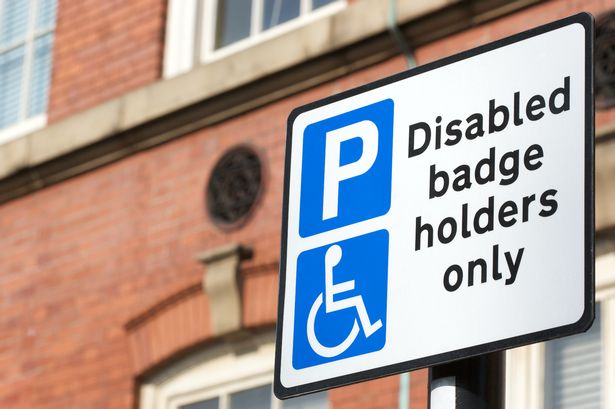
Around 3.2 million people benefit from the Blue Badge scheme(Image: Getty ImagesGetty Images)
Six categories of people automatically qualify for a Blue Badge, which can used when travelling as either a driver in their own vehicle or as a passenger in any other car. If you have a physical disability or health condition that affects your ability to walk safely, or a hidden condition such as a heart condition, dementia, ADHD, epilepsy, chronic fatigue or Parkinson’s, you may be eligible for a Blue Badge.
This would allow you to park closer to your destinations and reduce the physical strain of needing to walk further. Across the UK, an estimated 3.2 million people benefit from the Blue Badge scheme.
It’s important to note that there is no fixed processing time for new applications or renewals of Blue Badges. However, it typically takes around 12 weeks, but can often be completed within 10 working days, reports the Daily Record.
Your local council handles Blue Badge applications and sets the price. They can also provide guidance on how long the process might take.
Blue Badge automatic qualification
You will automatically qualify for a Blue Badge if you:
You receive a Personal Independence Payment (PIP) because you can’t walk more than 50 metres (a score of 8 points or more under the ‘moving around’ activity of the mobility component)You receive a War Pensioners’ Mobility SupplementYou have received a lump sum benefit within tariff levels 1 to 8 of the Armed Forces and Reserve Forces (Compensation) Scheme and have been certified as having a permanent and substantial disability that causes inability to walk or very considerable difficulty in walkingYou receive the mobility component of PIP and have obtained 10 points specifically for descriptor E under the ‘planning and following journeys’ activity, on the grounds that you are unable to undertake any journey because it would cause you overwhelming psychological distressYou are registered blind (severely sight impaired)You receive the higher rate of the mobility component of the Disability Living Allowance (DLA)
Other potential qualifiers for a Blue Badge
If you don’t automatically qualify, you may still be able to obtain a Blue Badge under certain circumstances, if you:
you cannot walk at allyou have a life limiting illness, which means you cannot walk or find walking very difficult and have a SR1 formyou find it difficult or impossible to control your actions and lack awareness of the impact you could have on othersyou frequently become extremely anxious or fearful of public/open spaceswalking is dangerous to your health and safetyyou have a severe disability in both arms and drive regularly, but cannot operate pay-and-display parking machinesyou find walking very difficult due to pain, breathlessness or the time it takesyou regularly have intense and overwhelming responses to situations causing temporary loss of behavioural controlyou have a child under the age of 3 with a medical condition that means the child always needs to be accompanied by bulky medical equipmentyou struggle severely to plan or follow a journeyyou have a child under the age of 3 with a medical condition that means the child must always be kept near a vehicle in case they need emergency medical treatmentyou cannot walk without help from someone else or using mobility aidsyou are constantly a significant risk to yourself or others near vehicles, in traffic or car parks
Where can I park with my Blue Badge?
Your Blue Badge permits you to park for free in certain restricted areas, including:
At on-street parking metersIn disabled parking spacesOn single and double yellow lines if there are no loading restrictionsIn pay and display bays
What do I need to apply?
Applications are submitted online to your local council and you’ll need a recent digital photo showing your head and shoulders – you can take this picture yourself.
You will also need a photo or scan of your:
proof of identity (such as a birth certificate, passport or driving licence)proof of address such as a Council Tax bill or government letter – you can also choose to have your local council check the Electoral Register insteadproof of benefits – if you get any
You will also need to know:
your National Insurance numberthe details of your current Blue Badge – if you’re reapplying
Once you’ve submitted your application, your local council will review it and make a decision.
If your application is rejected
Your local council should inform you why you didn’t qualify. If you believe they overlooked some crucial information, you can request them to reconsider their decision.
You can also reapply if your disability or health condition worsens. Apply for a Blue Badge here.