The new tax reforms are aimed at protecting low-income earners, easing the burden on small businesses and fixing deep structural flaws that have long undermined investment and economic growth.
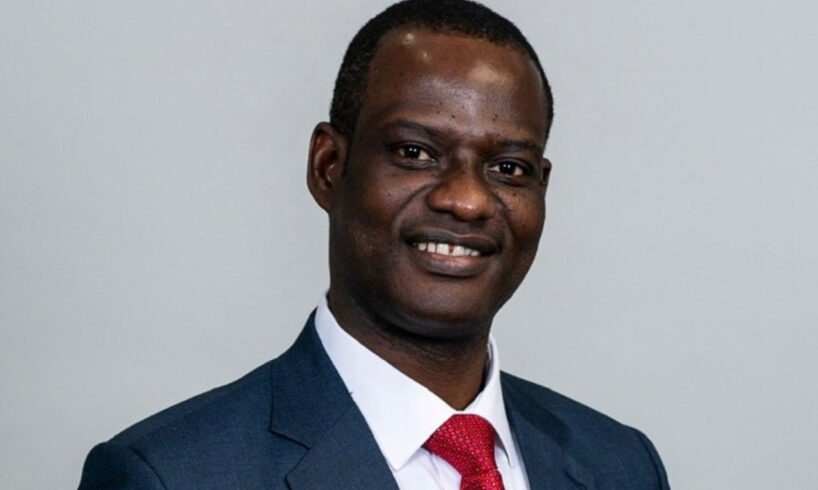
Speaking at a media workshop with journalists in Lagos, the Chairman of the Presidential Fiscal Policy and Tax Reforms Committee, Taiwo Oyedele, said the new tax laws, taking effect by January 2026, were designed to confront inequality, excessive taxation and an outdated framework that had effectively made it costly for enterprises to grow.
According to him, the changes made in the reform are deliberately structured to reverse an inequitable system that placed a heavier burden on the poorest Nigerians and discouraged business formalisation.
Oyedele pointed out that the existing system created disincentives for productivity and scale, contributing to widespread informality across the economy.
Under the proposed personal income tax regime, workers earning up to N800,000 yearly will be exempt from Pay-As-You-Earn deductions, while middle-income earners will benefit from lower effective tax rates. According to Oyedele, this would increase disposable income without requiring wage increases, offering some relief to households grappling with rising living costs and broader economic pressures.
He noted that the reforms recognise the realities faced by workers in both the public and private sectors, arguing that sustained financial stress fuels social tension and weakens productivity.
The objective, he said, is to shield the most vulnerable while restoring fairness to the tax system.He pointed out that small businesses are also expected to see significant relief, while disclosing that micro and small enterprises would be exempt from corporate income tax and several other levies, a move aimed at improving survival rates and encouraging more businesses to operate formally.
He said many enterprises fail within their first few years, not because of weak demand, but due to the weight of regulatory and tax obligations.
As part of the overhaul, companies’ income tax will be cut to 25 per cent from 30 per cent, while small businesses will pay zero per cent. Oyedele described this as a critical correction to a long-standing distortion in which businesses faced higher effective tax rates than wealthy individuals.
He pointed out that the reforms also seek to tackle the persistent challenge of multiple taxation. Oyedele said that although about 63 taxes and levies are officially recognised, businesses often face many more in practice, including informal and unconstitutional charges imposed by various agencies.
According to him, efforts are underway to harmonise taxes through model laws and possible constitutional amendments, with the focus shifting toward improving collection efficiency rather than introducing new taxes.
Beyond policy design, Oyedele warned that misinformation and negative narratives could weaken the impact of the reforms by eroding public trust and investor confidence.
He stressed that sentiment and perception play a powerful role in shaping economic outcomes, alongside the technical details of policy.He acknowledged that the reforms involve short-term pain but argued they were unavoidable given the economic conditions inherited, including fragile external reserves, heavy debt servicing obligations, the cost of fuel subsidies and declining oil production, noting that the country risked a deeper and more prolonged crisis without decisive action.
Oyedele said the committee remains open to engagement and evidence-based discussions, adding that the reforms would continue to be refined as implementation challenges emerge to build a tax system that is fairer, more competitive and capable of supporting inclusive growth in Nigeria.