SINGAPORE – People in Sengkang and Punggol who visit selected general practitioners (GPs) can soon get follow-up care from a social worker.
A new partnership between a group of GPs and a social service agency (SSA) will extend care beyond the clinic to the community, so that patients with more complex medical and social needs are better supported.
The three-month pilot, which will run from January to March 2026, will see GPs who are part of GP+ Co-operative’s network collaborate with Allkin Singapore’s social workers through referrals and co-management of cases.
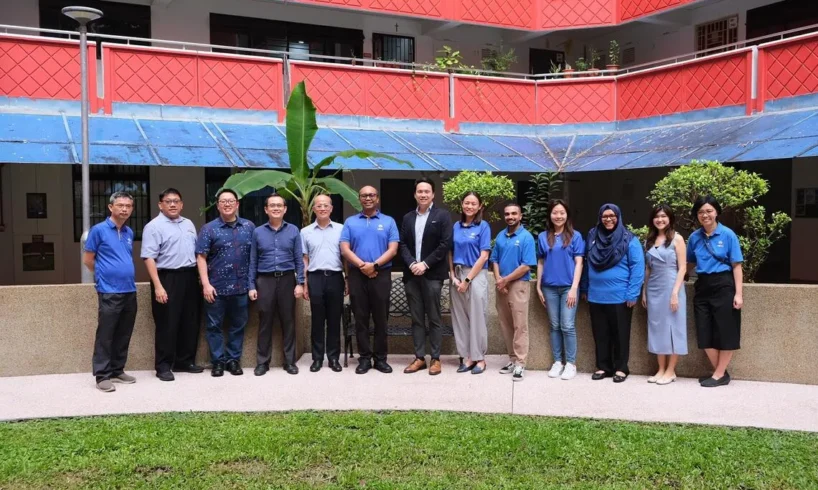
The two sides signed a memorandum of understanding that launched the initiative on Dec 11. With the initiative, GP+ doctors will now connect their patients to Allkin’s range of services, while Allkin’s social workers can refer patients to appropriate medical care within the GP+ network.
A key objective of the tie-up is for patients to benefit from earlier intervention and more seamless care, so that medical conditions are detected and treated before they worsen.
GP+ is a cooperative society under the Singapore National Co-operative Federation (SNCF). It has more than 120 medical professionals in its network, including family physicians and specialists.
Co-ops are membership-based enterprises that operate on the principles of self-help and mutual assistance, where people voluntarily unite to realise common economic and social needs.
The tie-up between GP+ and Allkin comes with greater recognition in Singapore that patients should be connected with suitable resources in the community to help in their recovery.
A 2022 study supported by the Ministry of Health’s National Medical Research Council found that while primary care services are embedded within communities, they are often limited to the consultation room, and primary healthcare providers are unable to conduct follow-ups at home.
Allkin chief executive officer Fareez Fahmy said many of its clients face overlapping health, social and mental health challenges, and this partnership reinforces the SSA’s commitment to holistic well-being by having timely medical care go hand in hand with practical and socio-emotional support.
Follow-up care under the pilot will be decided based on assessments done by Allkin’s social workers. This could include mental health support services like caregiver support, as well as emotional and psychological support.
The tie-up comes after the SSA launched its newest integrated service centre in Sengkang in October, bringing mental health, youth and senior services under one roof.
GP+ chairman S.A. Aziz Noordin said primary care doctors often see how social and practical difficulties shape a patient’s health, but pathways to connect them to the right support can differ across clinics.
“Through this collaboration with Allkin, GP+ is working to build a clearer and more dependable way for our member clinics to guide patients to community services when needed,” he said.
The initiative also reflects the co-op’s commitment to help its members support one another and contribute to a more continuous care journey for their patients, while also aligning with national efforts to strengthen coordination between healthcare and social partners, he added.
While member GPs may not have all the resources or skill sets to meet diverse patient needs, they can tap the different expertise and experience from the co-op’s community of healthcare professionals, Dr Aziz said.
GP+ was started in 2018 after a group of doctors decided that a cooperative model would be the best way to band together to improve healthcare delivery, and to set a quality and price benchmark, he said.
Being a co-op means “we are not beholden to any investor”. “That makes it easier for us to focus on the real care needed, or real solutions we need to come up with,” he added.
In November, GP+ organised a conference on sarcopenia (age-related muscle loss) to share knowledge on the condition, given that Singapore is on track to being a super-aged society in 2026.
The co-op also looks at other emerging trends, such as the role of artificial intelligence in healthcare, and collaborates with various partners to get better rates for medical tests or health screenings.
Being a co-op also means it can tap a network of other cooperative enterprises. For instance, GP+ has helped to raise awareness of members of the AUPE Credit Co-operative and Seacare Co-operative about breast cancer screening.
There are 75 co-ops in Singapore, providing over 900,000 members with access to affordable daily essentials, education and training, healthcare, financial services, recreation, and employment opportunities.
Singapore’s cooperative movement celebrated its 100th anniversary in 2025. To mark the occasion, SNCF announced in September a 10-year transformation road map to revitalise the sector, with a focus on leadership development, innovation and addressing society’s needs.
GP/GP clinicSocial supportHealthcare professionalsSingapore healthDoctors/Surgeons