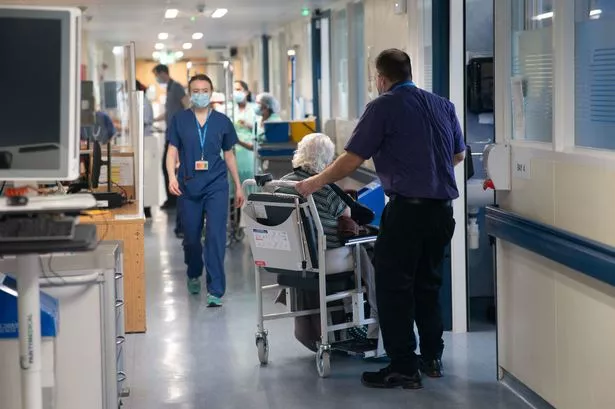
During the last week, an average of 3,140 flu patients were admitted, representing a dramatic 55% jump on the week before that.
Joe Smith and Emma O’Neill Content Editor
11:00, 18 Dec 2025Updated 11:00, 18 Dec 2025
(Image: PA)
Hospital admissions for “super flu” in England are continuing to climb and remain at a record level for this time of year, the latest NHS data has revealed.
A new map shows the impact of the H3N2 strain on hospitals nationwide, as it fuels an unusually early and severe flu season blamed on “reduced natural immunity within the population”.
According to figures published today, cases rose by 18% compared with the previous week, when 2,660 people were in hospital. During the last week, an average of 3,140 flu patients were admitted, representing a dramatic 55% jump on the week before that.
An interactive map allows readers to check how NHS services are performing in their local area.
Although the number of cases continues to rise, today’s 18% increase suggests the rate of growth may be easing. NHS England releases weekly statistics on flu hospitalisations. At the same point last year, there were 2,629 patients in hospital, while in 2023 the figure was just 648.
Professor Meghana Pandit, NHS National Medical Director, warned that the health service is under mounting pressure. She said: “With A&E departments and ambulance services already experiencing record demand, and the prospect of a resident doctors strike ahead, this wave of super flu is creating a worst-case scenario for the NHS, with staff being stretched to their limits.
“Flu admissions are far higher than expected for this time of year. The situation is made more difficult by the fact that numbers are still increasing and the peak has not yet been reached, meaning the NHS faces some very tough weeks ahead.”
Last week, 128 flu patients were being treated in critical care beds across England, up from 106 the previous week and slightly above the figure recorded at the same stage last year, when 125 patients were in intensive care.
During the winter just gone, weekly flu admissions peaked at 5,408 patients, while in the 2022/23 season numbers reached 5,441, the highest level since the pandemic.
Officials have repeatedly warned that hospitals could face a “tidal wave of flu”, particularly if industrial action by doctors coincides with the usual post-Christmas surge in demand.
“The flu predictions are extremely concerning,” one hospital chief previously told the Health Service Journal. “If they are accurate, the second week of January could be carnage, with flu, post-Christmas pressures and the delayed effects of strikes all hitting at once.”
Flu symptoms can appear abruptly and include:a sudden high temperaturean aching bodyfeeling tired or exhausteda dry cougha sore throata headachedifficulty sleepingloss of appetitediarrhoea or stomach painnausea and vomiting
Health authorities have also flagged the rapid spread of a ‘drifted’ influenza variant, A(H3N2), also known as subclade K, which has become the dominant strain across the UK. H3N2 is one of the three main viruses responsible for seasonal flu.
The NHS is bracing for further pressure as it battles an early flu season and unprecedented levels of hospital admissions. The UK Health Security Agency is urging eligible people to come forward for vaccination.
“Vaccines play a crucial role in preventing severe illness and hospitalisation among those most at risk, and we strongly encourage everyone who is eligible to get vaccinated as soon as possible. Vaccination remains our best line of defence,” the agency said.
Flu symptoms often come on suddenly and can include a high temperature, muscle aches, fatigue, a dry cough, sore throat, headache, problems sleeping, loss of appetite, diarrhoea or stomach pain, nausea and vomiting.
The same dataset shows that an average of 427 hospital beds were occupied each day last week by patients with diarrhoea, vomiting or norovirus-like symptoms, an increase of 21% on the previous week’s figure of 354. This remains below the level seen at this point in 2024, when 711 beds were filled. The figures form part of the NHS’s weekly winter performance update.