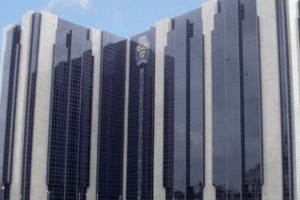
Nairobi — The Kenya Electricity Transmission Company (KETRACO) has officially energized the 400/220kV Mariakani Substation, a milestone set to deliver reliable, stable, and affordable electricity to homes, businesses, and industries across the Coastal region.
The Mariakani Substation, a critical link connecting the Coast to the national transmission grid, is part of the Nairobi-Mombasa Transmission Line, designed to transmit over 1,000MW of electricity between the two regions. Its energization marks the end of years of power instability, reducing reliance on expensive diesel generators and supporting the growth of hotels, manufacturing, and small- and large-scale industries.
Strategic Importance for Coastal Development
KETRACO Acting Managing Director, Kipkemoi Kibias, emphasized that the substation is a strategic component in reinforcing Kenya’s national power transmission grid. “With this development, the Coast will significantly reduce its reliance on expensive and polluting diesel power, especially during peak evening hours. Cleaner, reliable, and stable energy will now flow more efficiently, lowering costs and stabilizing supply,” he said.
Follow us on WhatsApp | LinkedIn for the latest headlines
The Mariakani Substation also strengthens Kenya’s integration into the regional power network, enhancing the operational benefits of the 500kV Ethiopia-Kenya and 400kV Kenya-Tanzania interconnectors. It is poised to support the country’s ambition to achieve 100 percent clean energy by 2030, allowing geothermal power from Olkaria, wind power from Lake Turkana, and hydro power from Ethiopia to reach the Coastal region.
Project Financing and Implementation
The Mariakani Substation was funded through a KES 3 billion partnership between the Government of Kenya and the African Development Bank (AfDB). Construction was executed by China CAMC Engineering Co. Ltd under the supervision of KETRACO engineers.
Beyond the substation itself, AfDB also leads financing for the transmission lines linking Mariakani to Nairobi and Rabai. These include the 400kV double-circuit transmission line from Isinya to Mariakani and the 220kV line from Mariakani to Rabai, forming Phase II of the Mombasa-Nairobi Transmission Line Project. Phase I, completed in 2017, included the 492km double-circuit 220kV line from Rabai to Embakasi Substation near Nairobi’s Internal Container Depot, costing KES 17 billion and jointly financed by AfDB, the European Investment Bank, the French Development Agency, and the Government of Kenya.
Sign up for free AllAfrica Newsletters
Get the latest in African news delivered straight to your inbox
Success!
Almost finished…
We need to confirm your email address.
To complete the process, please follow the instructions in the email we just sent you.
Error!
There was a problem processing your submission. Please try again later.
Phase II focused on upgrading the line’s capacity by constructing 400/220kV Mariakani and 400/220kV Isinya Substations, raising the voltage from 220kV to 400kV. While Isinya Substation was completed in 2022, the Mariakani Substation now completes the cycle, enabling the transmission of over 1,000MW of clean energy to the Coastal region, reducing technical losses, reinforcing the grid, and improving power reliability and quality. Phase II cost KES 7 billion.
Boosting Investment and Quality of Life
The energization of Mariakani Substation is expected to attract industrial investment, enhance manufacturing productivity, and improve the quality of life for millions of Kenyans along the Coast. It also cements the region’s integration into Kenya’s modern, clean, and resilient electricity network, paving the way for sustainable economic growth.