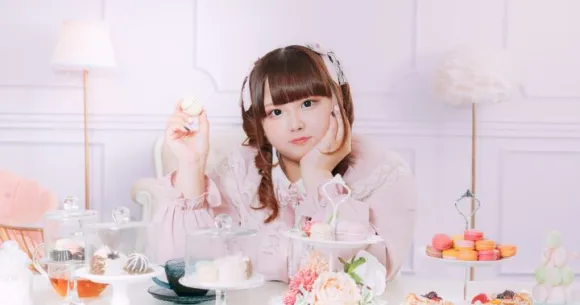
Let’s find out if a cute thing for one woman is still cute for another from a different country.
From Sanrio characters to starry-eyed idol singers, it’s no secret that kawaii (“cute”) culture is huge in Japan. Whole museums and theme parks have been dedicated to the concept of kawaii. Heck, it’s hard to even enter a convenience store without seeing the latest kawaii character to lend a hand at marketing some random product.
Japanese entertainment company FuRyu, known for developing kawaii games, photo booths, and more, recently conducted a survey through its Girls Research Institute to try to get at the core essence of what makes something kawaii. Not only that, however, but the researchers wanted to compare cross-cultural perceptions of kawaii things–so they surveyed 1oo women between the ages of 15-35 in Japan, China, and South Korea each about what and why they consider something cute, their engagement in fandom activities, and their picks for the cutest characters. Let’s take a look at the survey results below.
▼ “In the name of kawaii, I will punish you with my cuteness!”
Question: What impressions do you have of something that you think is cute?
There were 24 multiple-choice responses to choose from, including “none apply.” Survey takers could select more than one response.
While Japanese and Korean women both identified “I want to cherish it” as the most common response, that response didn’t even crack the top ten for Chinese women. However, interestingly, all three countries had the same pick for the second most common response: “I feel a sense of joy.” In general, responses that focused on cuteness being something that raises your spirits were more represented among Chinese women. Meanwhile, Korean women focused more on wanting to physically touch or possess something that’s cute to them, whereas Japanese women wanted to be able to look at it.
Question: How often have you participated in oshi activities within the past year?
Your oshi is your favorite character, idol, singer, etc. that you personally stan. Oshi activities (oshikatsu) are a top way for many women to spend their free time (and paychecks) in Japan.
▼ In the world of Japanese idol singers, someone’s oshi is often associated with “kawaii.”
Question: What is your degree of satisfaction with your oshi activities?
Despite the strong pull of oshi activities in Japan, Chinese women, followed by Korean and then Japanese women, were the top participants in terms of oshi activities over the past year among the survey takers. Furthermore, one hundred-percent of Chinese women also responded that they were “very satisfied” with their oshi activities. Also of note is that zero women from any of the three countries responded that they were “completely unsatisfied” with their oshi experiences.
In light of Japanese women’s lower response rate in the first survey question about kawaii impressions and this question about oshi activities, FuRyu suggests that Japanese women may be slightly more passive when it comes to judging what makes something cute and/or participating in activities traditionally correlated with cuteness.
Question: What character do you think is the cutest?
All three East Asian countries represented in the survey have produced characters with common kawaii characteristics, but which ones will come out on top?
▼ Somehow we predict that Hello Kitty is going to crack the list no matter what.
It turns out that women from each country identified both domestic and international characters as among the cutest. Characters originating from Japan such as those from the Chiikawa franchise, blue-robot-cat-from-the-future Doraemon, and Pikachu made it into the rankings in all three countries. Sanrio characters were especially popular among Japanese and South Korean women. In addition, Chinese and South Korean women picked characters known for their mischievousness–Ne Zha and Crayon Shin-chan respectively–as the cutest.
FuRyu hopes to utilize the above results in tandem with its new Kawaii Research Institute to be able to bring a new kind of “cuteness” to the world in terms of creative product development. We’ll look forward to what they eventually come up with, but in the meantime, at least there will be plenty of kawaii to go around.
Source: PR Times
Top image: Pakutaso
Insert images: Pakutaso (1, 2, 3)
● Want to hear about SoraNews24’s latest articles as soon as they’re published? Follow us on Facebook and Twitter!
[ Read in Japanese ]
Like this:
Like Loading…