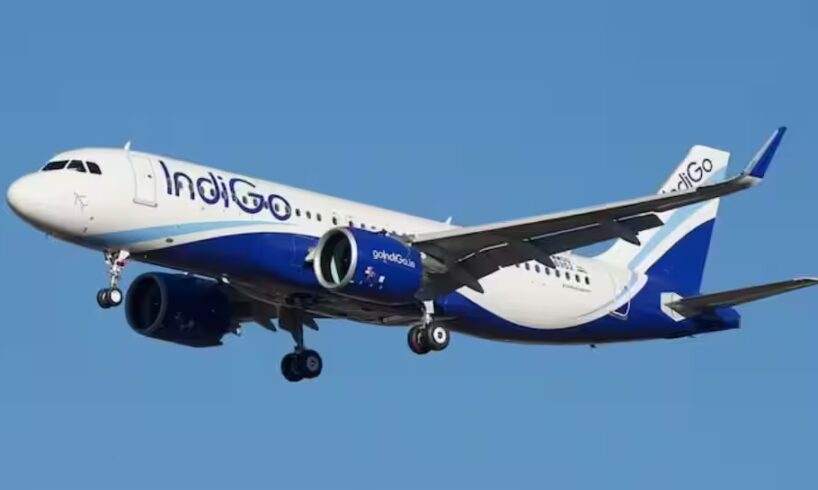
IndiGo Flight Cancellations: For thousands of travellers who reached airports early this week, the day unfolded with a kind of confusion that felt endless. Check-in counters moved at a crawl, terminal corridors filled up with restless queues and information screens began blinking one cancellation after another. By Tuesday evening, it became clear that India’s largest airline was dealing with one of its worst operational breakdowns in years.
More than 200 IndiGo flights were cancelled across the country between Tuesday and Wednesday, and several hundred were hit by long delays. Passengers waited for hours without clear answers, and airport staff scrambled to manage crowds as the airline worked to understand how the disruption had grown so quickly.
The reasons were not limited to a single failure. The situation emerged from a combination of crew shortages, new flying-hour rules, technical failures at major airports and heavy winter congestion that stacked delays through the day.
Add Zee News as a Preferred Source
A Shortage That Snowballed
The most urgent stress point came from crew availability. IndiGo has been dealing with a tight supply of pilots and cabin crew ever since stricter duty-time regulations became effective on November 1. These rules reduced how many hours a pilot can operate and expanded mandatory rest periods.
Aviation officials familiar with internal scheduling said that several flights were grounded because there were no legally eligible crew members left to fly them once the new duty-time limits were applied.
In multiple instances, entire sequences of flights had to be cancelled because pilots rostered earlier in the day could no longer be assigned additional duties.
New FDTL Norms Disrupting India’s Busiest Airline
The latest set of Flight Duty Time Limitation (FDTL) rules brought deeper changes to pilot scheduling than airlines anticipated. IndiGo runs one of the densest flight networks in Asia, with more than 2,200 flights every day, including a large block of night operations.
The new rules meant that the airline had to rebuild entire rosters, adjust landing schedules and rework weekly rest cycles.
According to insiders, the scheduling systems had not stabilised under the new requirements, and the airline’s network started facing immediate crew shortages on high-traffic routes.
Technical Failures At Major Airports
Adding further strain, Delhi and Pune airports reported malfunctions in their check-in and departure control systems on Tuesday. Those delays cascaded into missed departure slots and disrupted aircraft rotations.
Since IndiGo’s network depends on tightly linked aircraft and crew movements, small delays at major hubs quickly led to wider disruptions.
A Network Overloaded By Winter Traffic
The winter season brings heavy passenger traffic and frequent fog-related challenges. Major metros were already operating at full stretch, and IndiGo’s closely timed schedule left little room to absorb additional delays.
Once morning delays took hold, the congestion continued to worsen throughout the day.
Government data showed how severely operations were hit. IndiGo’s on-time performance dropped to just 35 percent on Tuesday, which means well over 1,400 flights faced delays.
Data from the Directorate General of Civil Aviation (DGCA) also recorded 1,232 cancellations across the month of November.
Understanding The New Rules
The DGCA introduced the tighter FDTL norms as a safety measure. The rules require longer weekly rest periods, stricter duty-time limits and a reduction in the number of night landings allowed for pilots.
The new caps include eight flight hours per day, 35 flight hours per week, 125 flight hours per month and 1,000 flight hours per year.
Crew members must also receive rest time that is at least twice the duration of their last duty, with a minimum of 10 hours of rest in any 24-hour period.
Airlines with fast-turnaround operations now need more pilots per aircraft. IndiGo, with a large overnight schedule, was especially exposed to these changes.
Why Other Airlines Have Not Seen The Same Level Of Disruption
While the new norms apply to all carriers, IndiGo’s vast scale made its network more vulnerable. Its share of India’s domestic flights is the largest by a wide margin. Even a small internal disruption leads to a nationwide ripple.
IndiGo also operates many more night-time flights than airlines such as Air India, Vistara or Akasa. The reduced allowance for night landings limited how many sectors a single crew pair could operate.
In addition, IndiGo’s efficiency depends heavily on high crew utilisation, and once those limits tightened, scheduling gaps emerged quickly.
Smaller networks have more flexibility to reshuffle crews. IndiGo’s enormous web of connections leaves far less room for rapid adjustments.
When Will The Gridlock Ease?
The airline says it is carrying out what it calls “calibrated adjustments” and expects the operation to settle within roughly 48 hours. It is shifting crew to high-pressure routes, revising night schedules, issuing planned cancellations and reorganising fleet rotations to prevent more last-minute disruptions.
In a public statement, the airline said, “We sincerely apologise to our customers… A multitude of unforeseen operational challenges, including minor technology glitches, schedule changes linked to the winter season, adverse weather conditions, increased congestion in the aviation system and the implementation of updated crew rostering rules had a negative compounding impact on our operations.”
Passengers have been advised to check their flight status in advance and plan for possible delays until operations stabilise.