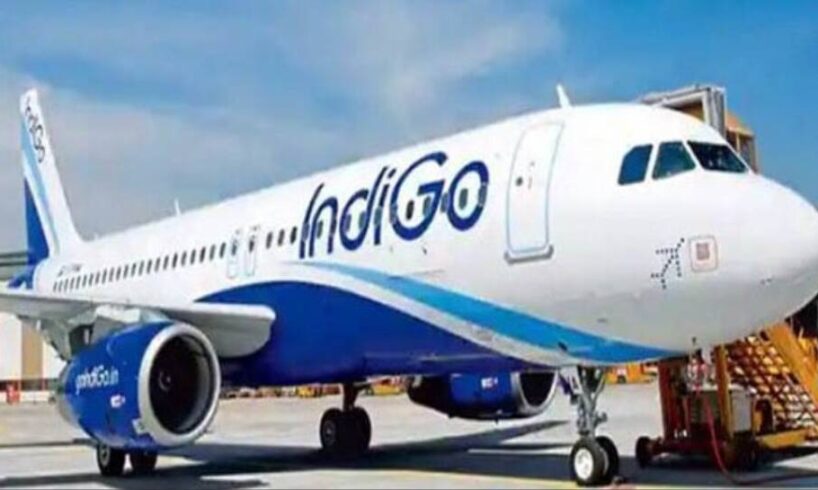
IndiGo, which is India’s largest domestic carrier with over 60% market share, is still reeling under severe operational turbulence. On Friday, for the fourth consecutive day, around 400 flights across the country, including all 200 services from Delhi, were cancelled due to an acute shortage of staff.
How could an airline of this size suddenly face such an acute manpower crisis? IndiGo has blamed the complex transition to new regulatory requirements for the issue, but pilot associations have questioned whether the top management was adequately prepared.
The Scale Of Disruption And Restoration Claim
Add Zee News as a Preferred Source
Service disruptions at IndiGo have been most severe at major hubs such as Mumbai, Bengaluru, Delhi, and Hyderabad.
Mass cancellations: Around 400 flights were cancelled across the country on Friday, including all 200 scheduled departures from Delhi.
Restoration Timeline: IndiGo has informed the regulator Directorate General of Civil Aviation that it expects to have the operations fully restored and stable by February 10.
Relief Requested: To cope with the immediate crisis, the airline has requested temporary relief from certain provisions of the new rules limiting pilots’ duty hours at night; maintaining these restrictions are the number one cause of the shortage and cancellations.
(Follow Indigo Flight Cancellations Live Updates | Indigo Flight Status Live: DGCA Reverses Decision, Keeps Pilot Rest Hours Same As Before)
Decoding The Roster Crisis And FDTL Rules
IndiGo has repeatedly cited technical faults, weather and the rollout of new crew rostering rules as reasons for the continuous disruption.
IndiGo’s claim is that it has faced a critical shortage of pilots and crew since November 1st because of the new FDTL rules, which mandate increased rest and restrict flying hours.
Denial by pilot bodies: The Federation of Indian Pilots has refuted it, claiming that the new rules should not be the cause for cancellations, considering that other major airlines did not get affected to that extent. According to them, the issue is one of internal planning failure rather than regulatory change.
What Are The New FDTL Rules?
The new Flight Duty Time Limitation (FDTL) rules, mandated by the DGCA since November 1st, have introduced significant changes to pilot scheduling, directly contributing to IndiGo’s current roster crisis.
Previously, the requirement for weekly rest was less than 48 hours, but the new rules strictly mandate 48 consecutive hours of rest per week, which immediately necessitates a substantial increase in the pilot pool to cover these extended weekly roster gaps.
Furthermore, restrictions on night landings have become much stricter; while the old rule was more permissive, the new norm allows a maximum of two landings during night operations (12 AM to 6 AM), heavily restricting crew usage on late-night or early-morning flights.
Finally, Night Duty Limits have been enforced: flight crew members cannot be rostered for duty periods during more than two consecutive nights, forcing airlines to make immediate and complex changes to their long-haul and overnight flight scheduling.
IndiGo’s Mitigation Efforts
The operational disruption has forced IndiGo into an emergency “roster crisis,” necessitating the creation of new, compliant duty schedules on a very immediate basis.
Roster Change: The carrier has identified the need for a major schedule update to cope with the new FDTL rules.
Stabilisation: IndiGo, for its part, said it had been making “balanced adjustments” to the schedule through Friday to stabilise operations, a process that includes reducing overall flight operations from December 8th.
The introduction of the new FDTL rules, along with IndiGo’s reported miscalculation of the required crew strength, were cited as the main reasons for this costly, prolonged disruption.
ALSO READ | IndiGo Flight Cancellation Horror: Stranded Couple Attends Their Own Wedding Reception Virtually In Hubballi | VIRAL VIDEO