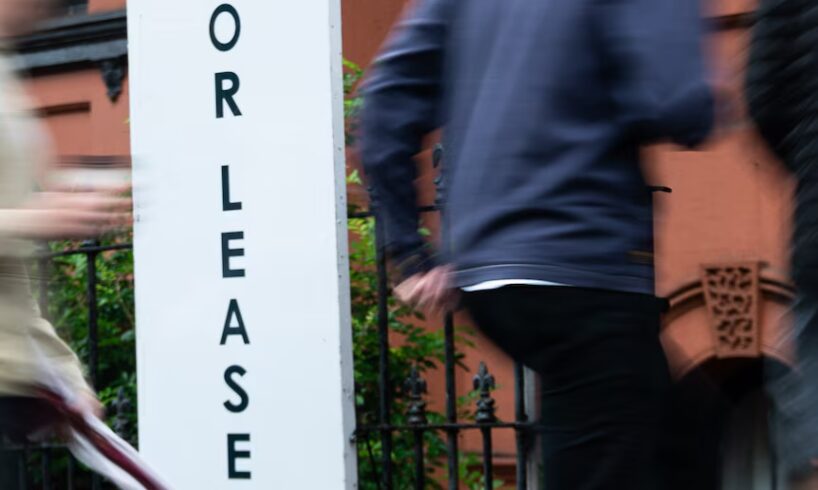
Older Australians who retire without owning a home will need about double the superannuation of those with a paid-off property if they want to enjoy a comfortable lifestyle, research finds.
Advocacy group Super Consumers Australia has warned renters are “at real risk of retirement disaster” if the federal government fails to act.
The report highlighted the wealth gap, quantifying how much extra those who rent would need in super to match the quality of life of someone who owns their home.
Australia’s housing obsession fuels income divide, leaving renters behind
The research calculated that a typical single retiree who rents requires $659,000 in super to ensure a financially secure future, compared to $322,000 for a retiree who occupies their own mortgage-free property.
A couple renting would need a combined $786,000 in super, compared to $432,000 for couples who are home owners.
“Every day this isn’t addressed, renters face an impossible financial challenge in retirement … we’ve got a crisis facing retirees right now,” Super Consumers Australia CEO Xavier O’Halloran said.
“Renters are at a real risk of retirement disaster if the government doesn’t act.
“Long-term solutions need to focus on getting more people into affordable housing.”
Super Consumer Australia, which produced the 2026 Retirement Savings Targets for Renters report, is a not-for-profit organisation that advocates for low-and-middle income Australians in the super system.
People in their 60s are not always given jobs but. instead, are offered help they don’t want, the ageism survey finds. (Unsplash: Huy Phan)
Financial stress ‘three times more likely’ for renters
Using data from the Australian Bureau of Statistics (ABS), the report looked at the spending needs and habits of retirees in the middle range — around the 50th percentile mark — whose lifestyles were comfortable without being extravagant.
It based its housing information on one-bedroom apartments in capital cities for single people, and a mixture of one and two-bedroom units for couples.
It compared what home owners might spend on maintaining their properties each week with the rent paid by those with a lease, alongside daily expenses.
Rate hike could be here within months
In June 2025, a standard one-bedroom rental in Sydney cost about $560 a week, with around $470 a week paid, on average, in Australia’s other capital cities.
Only 10 per cent of retired home owners were in financial stress, compared to almost half of retired renters, the report’s author Katrina Ellis said.
“It wasn’t a pretty picture and showed that retired renters were more than three times more likely to be in financial stress than home owners,” Ms Ellis, the deputy CEO of Super Consumers Australia, told ABC News.
“The only way for renters to have the same quality of life as home owners was to roughly double their amount of super which, of course, is almost impossible.”
Katrina Ellis. (Supplied: Super Consumers Australia)
The report’s data, from a broad survey of retirees, was based on their actual spending, using a bundle of goods, as well as the cost-of-living index.
Ms Ellis said that while rents had gone up by an average of 4.5 per cent in 2025, Commonwealth Rent Assistance had increased by only 2 per cent.
“It is alarming that it is just not keeping pace with fast-increasing rents, with rent assistance pegged to the wrong thing,” Ms Ellis said.
“Now with about 20 per cent of retirees being renters, they are facing a financial disaster.”
‘Saving more’ no solution for renters
Mr O’Halloran said the federal government needed to urgently focus on getting more people into affordable housing to avoid giving older renters “an impossible financial challenge in retirement”.
Median rents have increased by almost 50 per cent since 2020, advocacy groups say. (ABC News: John Gunn)
“Telling renters to simply ‘save more’ isn’t the solution to this problem,” he said.
“We’re calling on the Minister for Social Services, Tanya Plibersek, to address Rent Assistance as a matter of urgency. Every day this isn’t addressed, renters face an impossible financial challenge in retirement.”
Cassandra Goldie, CEO of the Australian Council of Social Service (ACOSS), said runaway rents were hurting a broad cross-section of society, not just older Australians.
“Median asking rents have surged about 50 per cent in five years, outpacing wages and leaving renters behind,” Dr Goldie said.
Buying a home has never been harder
“This report confirms that surging rents have a major impact on people’s financial position throughout all stages of life.
“Our surveys show that people on low incomes are skipping meals, forgoing fruit and vegetables and living in unsafe temperatures to save on energy bills just to keep a roof over their heads in the private rental market.”
Dr Goldie urged state and federal governments to cap rent increases, lift income support payments, and boost social housing “to ensure people on low incomes have safe, secure and affordable homes throughout their lives”.
A spokesperson from the Department of Social Services told ABC News: “The Australian Government recognises that access to secure and affordable housing has social, economic, and personal benefits for all Australians.”
“The maximum rates of Commonwealth Rent Assistance have increased by almost 50 per cent since March 2022 thanks to real increases from government and regular indexation,” a spokesperson said in a statement.
Last year’s federal budget included $1.9 billion over five years to fund a 10 per cent increase to the maximum rates of the rental assistance payment, but there was no further boost in the 2025-2026 budget.
The dream of enjoying a good standard of living in the so-called golden years — often the reward for decades of toil in the workforce and conscientious saving — is becoming unattainable for a growing number of Australians, Ms Ellis warned.
“Everyone deserves a comfortable retirement, but people who rent are being left behind,” Ms Ellis said.
Source