2025-12-09T15:16:51+00:00
font
Enable Reading Mode
A-
A
A+
Shafaq News – Baghdad/Erbil
A broad wave of rainfall across Iraq, including in the
Kurdistan Region, over the past days brought temporary disruptions but
substantially improved water levels and soil conditions after years of
prolonged drought.
The Iraqi Civil Defense Directorate issued a series of
safety advisories, urging citizens to take maximum precautions as water levels
rose across several provinces. Its spokesperson, Nuwas Sabah, told Shafaq News
that residents should “pay attention to any water seepage inside homes and
disconnect electrical appliances immediately,” while keeping children away from
flood-prone areas. He added that people should avoid driving through flowing
water, follow weather updates, and keep essential documents prepared in case of
an emergency.
These measures came as the storm system delivered the
strongest rainfall seen this season. Runoff forced the closure of several
routes linking federal provinces with the Kurdistan Region, and northern rivers
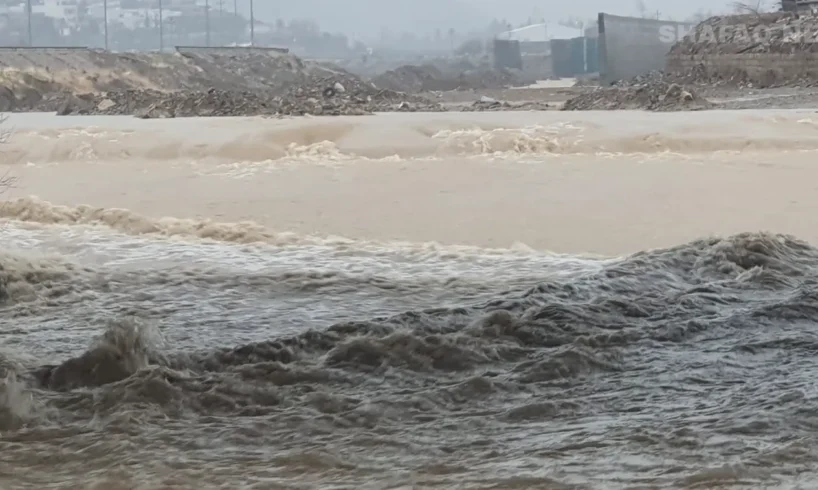
recorded substantial increases in flow. In Kirkuk, authorities reported a clear
rise in the Zab River following hours of sustained rain.
Local administrations across the country adjusted
schedules in response. Diyala, Saladin, Nineveh, and Garmian suspended classes
on certain days, while the Kurdistan Region declared an official holiday for
schools and government offices.
In Al-Sulaymaniyah’s Chamchamal district, sudden flooding
led to two fatalities and five injuries, according to civil defense teams
monitoring the situation.
The environmental impact, however, was also viewed as
positive. In Erbil, the renewed flow of the Gali Ali Beg waterfall reflected
significant upstream recovery. Southern provinces, including Maysan, reported
similar improvements in local basins. Agricultural departments described the
rainfall as a timely boost that restored soil moisture, supported groundwater
recharge, and strengthened early-season conditions for wheat and barley.
Baghdad, meanwhile, saw drainage networks tested during
the first major storm of the season, though hydrology specialists emphasized
that this rainfall cycle is vital for Iraq’s water security. They note that the
widespread precipitation is replenishing rivers, improving seasonal storage,
and easing shortages that have accumulated over recent years.
Separately, the Ministry of Electricity announced the
exemption of feeders supplying rainwater pumping stations, sewage networks,
hospitals, and health centers from the programmed load-shedding schedule to
maintain uninterrupted service throughout the weather cycle.
As the recent rainfall improved water flows in several
regions, authorities noted that Iraq’s broader water situation remains strained
after years of drought. Since 2017, the country has faced four severe dry
seasons — the most recent described by officials as the worst since 1933.
National reserves stand at about 8% of their usual levels, and prolonged
declines in the Tigris and Euphrates have contributed to the drying of
wetlands, reduced livestock numbers, and increased pressure on agricultural
land.
The storms also face existing challenges in water
management, particularly in southern provinces where low river levels and
rising salinity have made pollution more pronounced. Environmental departments
report that aging sewage networks, untreated wastewater, and industrial
discharge continue to affect local waterways. These conditions, combined with
recurring drought and deteriorating infrastructure, have limited reliable
access to safe water despite the short-term relief brought by this week’s
rainfall.
Read more: Iraq burns: Dust, drought ravage the nation’s core