“Devastated.”
That’s how Aboriginal Housing Northern Territory chief executive Leeanne Caton said she felt when she read the NT coroner’s finding that the death of a toddler who fell into a remote public housing septic tank could have been prevented by sufficient maintenance.
Warning: Aboriginal and Torres Strait Islander readers are advised that this article contains the last name of an Indigenous person who has died, used in accordance with the wishes of his family.
“None of this would happen in an urban environment,” Ms Caton said.
“What are our peoples’ lives worth?”
Toddler’s death ‘likely would have been prevented’ with maintenance
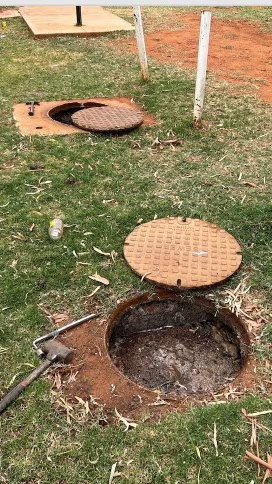
On Friday, NT Coroner Elisabeth Armitage handed down her findings into the death of a two-year-old, called Kumanjayi Fly for cultural reasons, who fell into an unsafe septic tank in the backyard of his home in the remote community of Mt Liebig in March 2023.
The coroner found NT government departments missed multiple opportunities to improve or replace the public housing septic system at the property, which they had responsibility for.
“If proper sufficient maintenance or replacement of the septic system has been undertaken, this death would likely have been prevented,” Judge Armitage said.
The inquest findings have sparked concern about the state of Aboriginal public housing in the Northern Territory, particularly around the management of repairs and maintenance.
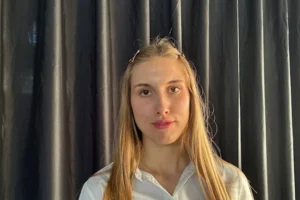
Leeanne Caton is calling on the NT government to act following the release of the coroner’s findings. (ABC News: Pete Garnish)
Culture of ‘reactive maintenance’
Ms Caton said the coroner’s findings demonstrated “gross negligence” within the NT government’s public housing system, “particularly in remote areas”.
She claimed the findings demonstrated “a lack of compliance” with the Residential Tenancies Act by the NT Department of Housing.
The Act states that a landlord must ensure premises are “clean and suitable for habitation” — something Ms Caton does not believe is currently happening in remote housing.
“They have been derelict in their service provision to remote housing tenants by not having duty of care as landlords,” she said.
Elisabeth Armitage led the inquest into the toddler’s death. (ABC News: Michael Franchi)
In her findings, Judge Armitage said the culture of responding to maintenance requests in remote communities, rather than ensuring routine maintenance took place, was an issue, and one that needed to be addressed “with urgent action”.
“Despite the continual recognition of the benefits of cyclical maintenance, the majority of the budget continues to be spent on reactive maintenance,” she said.
Ms Caton agreed that was a problem.
“There is a huge backlog of those reactive maintenance requests,” she said.
“Instead, getting onto the preventative and cyclical maintenance will be a short-term [financial] sacrifice … then you won’t have the huge maintenance repairs that happen consistently across the Northern Territory.”
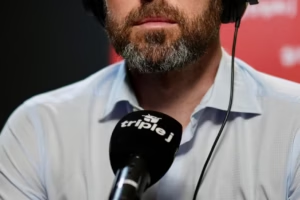
Dan Kelly says there could be grounds for public housing tenants to seek compensation. (ABC News: Michael Franchi)
Calls for federal involvement
Australian Lawyers for Remote Aboriginal Rights (ALRAR) solicitor Dan Kelly has represented public housing tenants seeking improved conditions in remote Indigenous communities, winning some high-profile territory cases in recent years.
Mr Kelly said the issues raised in the coroner’s findings into the death of Kumanjayi Fly could form grounds for compensation claims for remote housing residents across the NT.
Remote NT rent hikes struck down by High Court
His private practice, alongside a specialist class action firm, is bringing a lawsuit against the NT housing department, covering Aboriginal people who have lived in remote community public housing between 2007 and 2024.
The case builds on previous lawsuits brought by ALRAR on behalf of Santa Teresa and Laramba residents.
“We’ve assisted with the establishment of a class action that now covers 73 remote communities in the NT, and we’ll be holding the government to account on these issues,” Mr Kelly said.
“We will be seeking compensation for all remote tenants for the lack of repairs and maintenance, and the lack of habitability and the risks to safety.”
The coroner’s inquiry also found other safety issues at the house, including faulty and precarious air conditioners. (Supplied: NT Courts)
The coroner’s report also said, during the inquest, other remote housing safety issues the responsibility of the NT government became “glaringly apparent”, including faulty and precarious air-conditioning systems, dangerous hard rubbish and building sites left insecure.
Mr Kelly said the NT government was falling short in its responsibility to “keep people safe” and called on the federal government to take back its former control of remote housing in the Northern Territory.
“The NT government has been in control of public housing in remote communities for 17 years now … there needs to be a serious intervention into the way housing is dealt with in remote communities,” he said.
The Central Land Council (CLC), which has long advocated for improvements to remote housing conditions, backed the coroner’s findings.
Kumanjayi Fly’s home was public housing, with maintenance of its septic system the responsibility of the NT government. (Supplied: NT Courts)
Land council supports findings
“The Central Land Council has long called for a cyclical maintenance program for Aboriginal housing, and we strongly support the coroner’s recommendations,” a CLC spokesperson said.
“We urge the Northern Territory government to act on these recommendations swiftly and in-full.”
In a statement, NT Department of Logistics and Infrastructure acting chief executive Gemma Lake said the Department had “fully cooperated with the coronial process and will consider all findings and recommendations handed down”.
“The Department of Logistics and Infrastructure offers its heartfelt condolences and sincere apologies to the family and friends impacted by this heartbreaking incident,” she said.