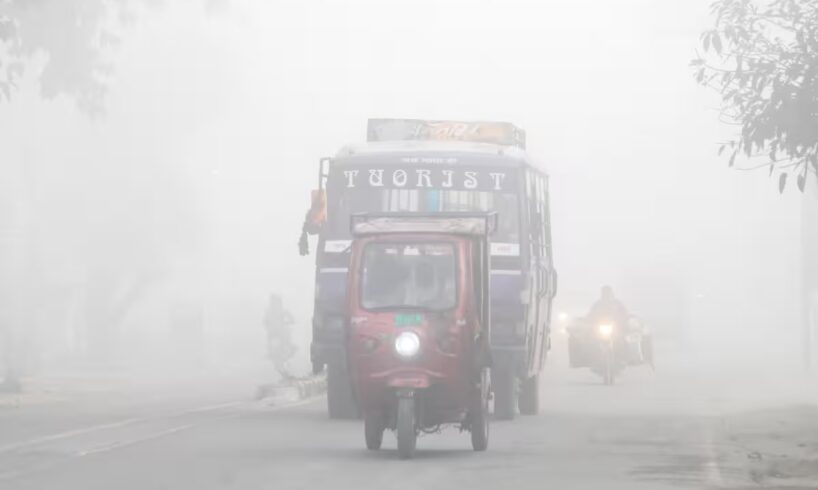
As the dense fog continues to envelop Northern India, the Transport Department has directed the following stringent instructions for the operation of buses in order to avoid road accidents. In one of the largest steps taken by the department for the safety of passengers, they have directed that all buses, particularly the one moving on the expressway, should immediately stop if the visibility goes below 50 meters.
This follows an increasing number of road accidents occasioned by a lack of clarity. It was reported that “in conditions where a small mistake can cause catastrophic outcomes, the use of large, heavily laden vehicles is particularly sensitive to visibility levels.”
The 50-Meter Rule: Designated Safe Halts
Add Zee News as a Preferred Source
“It has been made clear by the department that in case the visibility on the Expressway or Highway is not up to the required 50-meter mark, the buses would be required to be parked at the prescribed safe zones. These are:”
Toll Booths
Public Convenience Centers (Jan Suvidha Kendras)
Waysides Amenities and Rest Areas
The Regional Transport Officers and the Depot Managers have been advised to identify these safety locations in advance so that there would not be any confusion during emergencies.
Complete Ban On Night Flying Operations During Peak Fog Hours
Realising that darkness and fog pose an exponentially greater threat of accidents, the department has directed that all buses be completely stopped on routes during nighttime when there is heavy fog.
The guidelines state that in no circumstances should a bus be operated if visibility is negligible. Passengers are to be informed in advance about any possible delays in order to allow alternative arrangements to be made.
Transportation: Group Convoy Travel at Low Speeds
But in instances where travelling is simply unavoidable, the department has also launched a strategy for “Group Operation”:
Convoy System: The buses will be in convoy so that the drivers can use the tail lights of the lead vehicle to determine distance and direction.
Controlled Speed: The speed of the buses making up the convoy should be low and constant to help control the vehicles when they need to brake suddenly or turn quickly.
Mandatory Personal Protective Gear And Technical Requirements
No bus shall be allowed on the road without operational safety equipment. The following have been made mandatory by the department:
High-Intensity Fog lights
Reflective Tapes and Indicators Technical Clearance: An examination of the brakes, tires, and lights is required before any trip is granted technical clearance by the depot.
Lessons From The Mathura Tragedy
The need for these guidelines has emerged as a result of a terrible incident that occurred on the Mathura Expressway, which resulted in a multi-car crash owing to a lack of visibility, taking a toll of 18 precious lives.
“What is most important to us is the safety of travelers,” said a high-ranking transportation ministry official. “We appeal to them to be patient. If a bus is stopped in a secure spot, it is a life-giving procedure, not a nuisance.”
The Transport Department will be continually coordinating with the Met Department (IMD) and the Traffic Police to keep track of the real-time level of visibility on all major routes.
ALSO READ | North India Fog Crisis: IMD Issues Red Alert For UP, 16 States Blanketed; Delhi AQI Hits 400 With Strict ‘No PUC, No Fuel’ Rule