Developments in South Asia are being closely watched after reports emerged of Pakistan and Bangladesh moving towards a structured defence cooperation arrangement, a move that Indian security analysts see as potentially altering the regional balance.
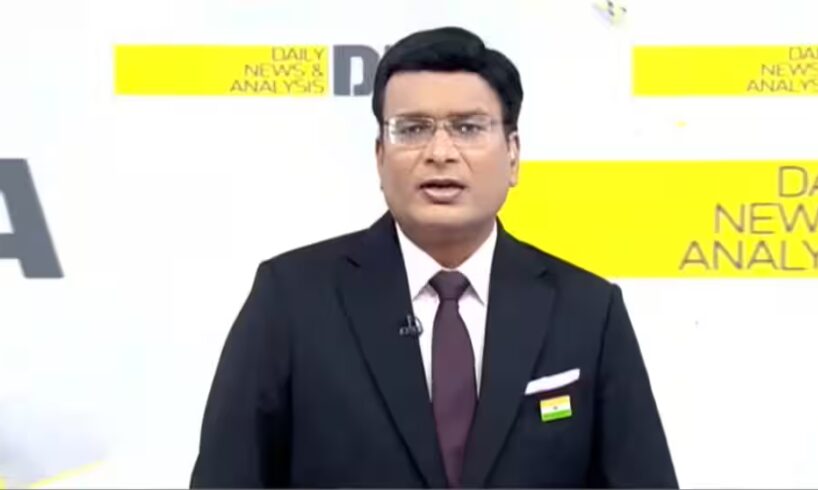
In today’s episode of DNA, Rahul Sinha, Managing Editor of Zee News, conducted a detailed analysis of the emerging Pakistan–Bangladesh defence engagement and its potential implications for regional security, particularly from India’s strategic perspective.
Watch Today’s Full Episode Here:
Add Zee News as a Preferred Source
#DNA LIVE Rahul Sinha के साथ#DNAमित्रों #ZeeLive #ZeeNews #DNAWithRahulSinha @RahulSinhaTV https://t.co/Z5bGQ5E9yG
— Zee News (@ZeeNews) December 22, 2025
According to diplomatic and security sources, Islamabad and Dhaka have constituted a joint mechanism involving officials from their defence ministries and representatives of the army, navy, and air force. The purpose of this mechanism is to draft and evaluate a possible defence agreement, which is being compared in scope to Pakistan’s existing defence cooperation framework with Saudi Arabia.
Sources indicate that the proposed agreement could include provisions for military cooperation, intelligence sharing, joint training, and coordinated responses during crises. Discussions between the military leaderships of Pakistan and Bangladesh have reportedly progressed to the stage of drafting a formal document. The final version is expected to be considered after Bangladesh’s general elections scheduled for February, allowing the next elected government to review and approve it.
Indian analysts note that if such an agreement takes shape, it could complicate India’s security environment by reviving the possibility of pressure from both its western and eastern borders. While India currently plans primarily for a two-front contingency involving Pakistan and China, the opening of an additional eastern military alignment would require a redistribution of resources and increased defence preparedness.
Historically, India faced the prospect of simultaneous pressure from the west and east during the wars of 1948, 1965, and 1971. The creation of Bangladesh after the 1971 war removed the eastern threat. Any renewed military alignment involving Dhaka and Islamabad would therefore represent a significant shift.
Comparative military data shows that India retains a clear numerical and technological advantage. India fields around 1.45 million active personnel, compared with approximately 650,000 in Pakistan and 150,000 in Bangladesh. India also surpasses both countries in air and naval strength and defence spending. However, experts emphasise that the principal concern is not parity, but the strategic strain of managing more than one active front.
Security officials also point to past precedents. During the 1990s and early 2000s, Pakistani intelligence networks allegedly used Bangladeshi territory to support insurgent groups operating in India’s north-eastern states, providing logistics, transit routes, and forged documentation. There are fears that deeper military and intelligence cooperation could revive similar patterns.
The regional situation is further complicated by political instability within Bangladesh following the killing of extremist student leader Usman Hadi. His death has triggered protests led by the radical group Inquilab Manch, which accuses the interim government headed by Muhammad Yunus of failing to deliver justice. Demonstrators have raised the slogan “no justice, no elections” and warned that February’s polls should not proceed unless those responsible are punished.
Hadi’s sister, Masuma Hadi, has emerged as a prominent figure within the movement. She is now being projected as a key face of Inquilab Manch and has publicly expressed political ambitions, including contesting elections. Her statements have drawn attention for their sharply anti-India tone, reinforcing concerns about the growth of radical narratives in Bangladesh’s current political climate.
Facing mounting pressure, the Yunus government has transferred the murder case to a Speedy Trial Tribunal, promising completion within 90 days of the police investigation report. At the same time, Bangladeshi authorities have rejected claims that the suspects fled to India. Home Affairs Adviser Lt Gen (retd) Jahangir Alam Chowdhury stated that the whereabouts of the accused remain unknown and that they could be inside or outside the country.
The main accused has been identified as Faisal, whose location has not been established. Political figures in Bangladesh have alleged that his bail was previously facilitated by individuals linked to Jamaat-e-Islami’s student wing, adding to suspicions of deeper political and ideological links behind the killing.
While the Bangladeshi government maintains that it is committed to a fair investigation, the continuing unrest, combined with emerging defence talks between Dhaka and Islamabad, has heightened regional anxieties. For India, the convergence of internal instability in Bangladesh and expanding Pakistan–Bangladesh military engagement is being seen as a development with long-term strategic implications rather than a short-term diplomatic issue.