Crises can occasionally strike twice, but when a consumer product faces the same reputational crisis three times, something must be seriously wrong.
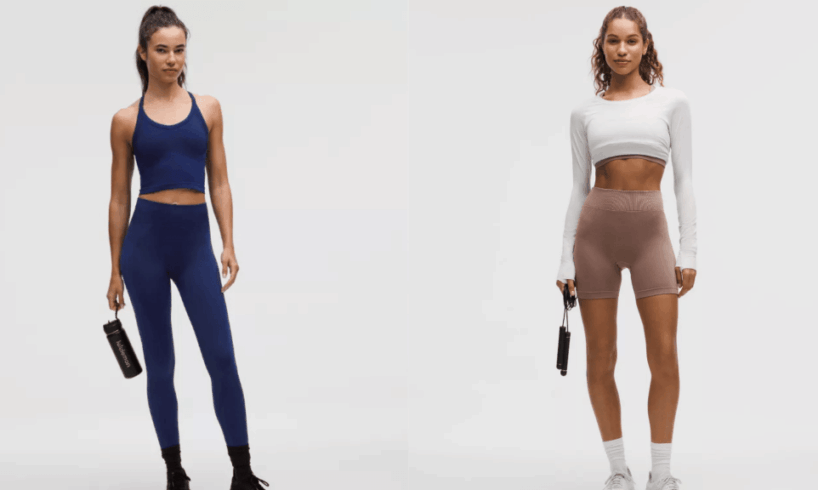
In January, workout clothing brand Lululemon had to pause online sales of a new model of yoga pants just days after launching the “Get Low” line. Users complained on Reddit that they were “see-through” when bending or squatting.
Related Article Block Placeholder
Article ID: 292151
Following the news, Lululemon’s stock fell 6%, on top of a 50% decline in 2025.
Remarkably, it was not the first such complaint against the Vancouver-based athleisure giant to spark controversy. In fact, the first instance in 2013 became a case study taught around the world for how not to manage a reputational crisis.
On that occasion, “see-through” black yoga pants were blamed on a manufacturing problem, and a successful recall was implemented, though the company reported a loss of revenue of more than $60 million.
Smarter business news. Straight to your inbox.
For startup founders, small businesses and leaders. Build sharper instincts and better strategy by learning from Australia’s smartest business minds. Sign up for free.
By continuing, you agree to our Terms & Conditions and Privacy Policy.
But six months later, company founder and CEO Chip Wilson gave a disastrous interview to “explain” the sheer pants problem, in which he said: “Quite frankly, some women’s bodies actually just don’t work for them. They don’t work for some women’s bodies”. He blamed the problem on “rubbing through the thighs” and had previously said they didn’t make clothes for plus-size women “because it costs too much money”.
In the face of predictable outrage – and an ill-conceived apology described as “the worst apology ever” – he stepped down as CEO and later resigned from the board.
Then, in July 2024, the company was in the headlines again, with newly launched “Breezethrough” leggings, made from an innovative lightweight fabric, with no seam in the front but a deep seam in the rear. Women complained on social media that they were uncomfortable, unflattering, and that the back seam was very revealing.
Related Article Block Placeholder
Article ID: 320258
Once again, the yoga pants were withdrawn. The company said: “As a test and learn organisation, we also take guest feedback very seriously and we believe there is an opportunity to incorporate what they’ve shared in future designs”.
Founder and former CEO Wilson, who remains a large shareholder, unhelpfully commented: “I think the definition of brand is that you’re not everything to everybody. You’ve got to be clear that you don’t want certain customers coming in”.
Fast forward to January 2026, when the “test and learn” mantra seemed to sound rather hollow. Just three days after launching the new “Get Low” line, complaints that they were “see-through” and “not squat-proof” saw the company halt online sales. However, the Get Low collection of leggings, tights, and tank-tops remained on sale in stores — hardly a fully committed recall.
Once again, founder Wilson intervened, calling the latest product flop a “total organisational failure”, which he blamed on the board of directors’ “lack of experience in creative businesses, disinterest in product development and quality, and focus on short-term self-interested priorities”.
Having helped precipitate the costly 2013 debacle, he even had the audacity to claim: “This is a new low for Lululemon”. This, from the man who previously said he chose the company name with three L’s because it would be funny seeing the Japanese struggling to pronounce it.
And how did the company respond? “Based on the learnings, we have updated our product education information to incorporate new guidance in fit, sizing and features to better support guest purchase decisions”. Which is apparently corporate-speak for advising customers to buy a larger size and wear skin-tone underwear. After three days, all sales resumed.
So what did they really learn? Maybe better PR, but not necessarily better production and quality testing. As the Daily Mail mused: “Will things ever work out for Lululemon?”