July 24, 2026
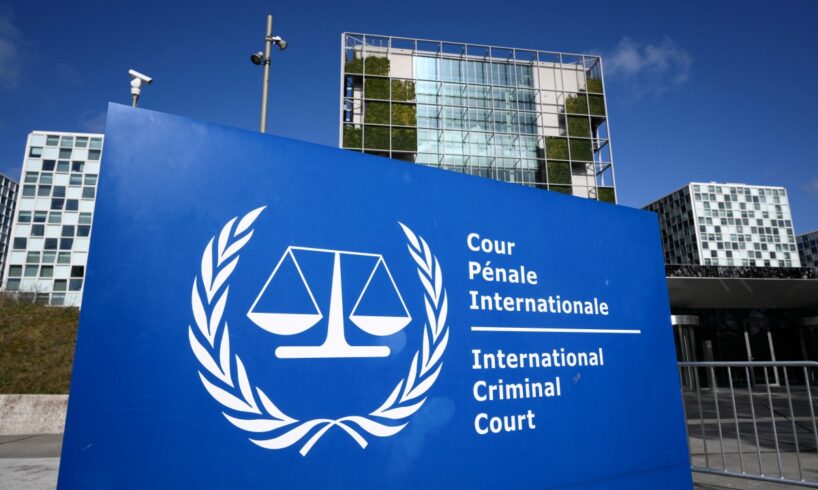
MANILA – The United States understands if the Philippines does not heed Washington’s call to withdraw its support for the International Criminal Court (ICC), citing the sensitivity of the issue, according to Malacañang.
Palace Press Officer Claire Castro said Thursday that while the ICC was not discussed during US Secretary of State Marco Rubio’s courtesy call on President Ferdinand Marcos Jr. in Malacañang on July 22, the matter was raised by Philippine Ambassador to the US Jose Manuel Romualdez on the sidelines of the meeting.
According to Castro, Romualdez conveyed to the US Department of State that matters involving the ICC and the Philippines were “a sensitive issue.”
“He also explained the Philippines’ residual obligations related to the ICC, including its cooperation with the International Criminal Police Organization (Interpol),” she said.
“And when we asked the ambassador about the reaction of the State Department representative, he said they understood the sensitivity of the issue for our country,” Castro added.
Malacañang earlier said the government is reviewing its policy on cooperating with the ICC following the US government’s latest campaign to dismantle the tribunal, with any decision on the Philippines’ position to be made by President Marcos.
The Department of Foreign Affairs is currently assessing the possible implications of the US position on the ICC, but Foreign Affairs Secretary Ma. Theresa Lazaro would consult first with President Marcos before announcing the government’s official stance.
In a video message earlier this week, Rubio said the campaign includes stepping up sanctions against “foreign bureaucrats” who constitute the court.
“We will watch with interest which nations join ranks with us against this threat to Americans who are willing to risk their lives to protect others,” Rubio also said.
According to the US State Department, the campaign will pressure other nations “to withdraw from the ICC and cut off any financial support to the court.”
It also warned that “nations that refuse to reject the ICC’s false authority while relying on US assistance are likely to come under increased scrutiny.”
Despite its withdrawal from the ICC in 2019, the Philippines continues to serve the warrants of arrest issued by the international tribunal, particularly those related to the case of former President Rodrigo Duterte.
In March 2025, Duterte was arrested by Philippine authorities following an order from the ICC over crimes against humanity charges for being an indirect co-perpetrator in the extrajudicial killings during the antidrug and anticriminal campaigns from 2011 to 2019, when he served as Davao City mayor and later on as President.
He has since been detained at The Hague and will face trial by November.
READ: PH reviews ICC cooperation after US call to dismantle tribunal – Palace
The Marcos administration’s official stand is that the country still has residual obligations as the alleged crimes were committed by Duterte and his co-perpetrators when the ICC still had jurisdiction.
The ICC also issued a warrant of arrest against Senator Ronald “Bato” dela Rosa, for being a co-perpetrator in the Duterte case as a former chief of the Philippine National Police and architect of the war on drugs.
Dela Rosa has been in hiding since the failed attempt of Philippine authorities to serve the warrant of arrest against him inside the Senate premises in May.
Other personalities considered as Duterte’s alleged co-perpetrators in his case before the ICC were Senator Bong Go; former Justice Secretary Vitaliano Aguire II; former Davao City police chiefs Vicente Danao and Isidro Lapeña; former PNP chiefs Oscar Albayalde; and former National Bureau of Investigation chief Dante Gierran.
However, no public warrant of arrest has been issued by the ICC against them as of writing.