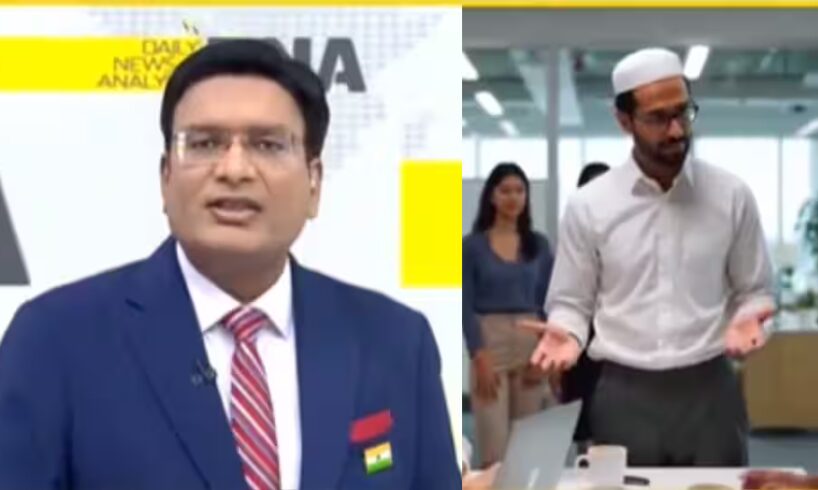
A forced religious conversion racket operating inside a multinational company’s BPO centre in Nashik, Maharashtra, has been exposed. Six team leaders have been arrested. Police have filed nine FIRs. This is not a story about street-level extremism. This is a corporate conversion network and that makes it far more dangerous.
#DNAमित्रों | #DNA #DNAWithRahulSinha #BPO #Conversion @RahulSinhaTV pic.twitter.com/u55UrnXSaf — Zee News (@ZeeNews) April 9, 2026
Add Zee News as a Preferred Source
For years, forced conversion was associated with a certain image. Bearded men in skullcaps working back alleys and college campuses. That image is now outdated. The men arrested in Nashik wear suits, ties, and carry job titles. They look modern. But investigators say the ideology driving them is no different from the hardliners of the past. The clothes changed. The thinking did not.
Who was arrested
The six accused were all team leaders at the BPO centre. Educated. Influential within the company. Their positions gave them direct authority over junior employees and they allegedly used that power to coerce. Names confirmed by police: Asif Ansari, Shafi Sheikh, Shahrukh Qureshi, Raza Memon, and Tausif Attar.
What they are accused of
Eight women employees filed complaints stating they were pressured to convert. A Hindu youth was allegedly forced to offer namaz during office hours. He was also forcibly fed beef. Charges filed include harassment, rape, and hurting religious sentiments.
The victims were between 18 and 25 years old. Several were economically vulnerable. They needed the job. That dependence made them easy targets. According to police, the accused used a combination of love entrapment, financial lures, office friendships, and mentorship relationships to isolate and pressure victims into conversion. Old methods. New setting.
Police now suspect the total number of victims could be more than 50, all inside one multinational company.
HR Head Also Named
The victims did not stay silent. They went to the company’s HR head first. She dismissed their complaints as minor. Police have registered a case against her as well for failing to act.
Nine FIRs. One Organised Network.
Police have filed nine FIRs so far. Investigators believe this is not a scattered or spontaneous operation. The conversion network is described as highly organised, with the possibility of multiple branches beyond this one BPO centre. The corporate structure, team hierarchies, access to young and economically weak employees, institutional cover was allegedly used as an operational framework.
500 supporters showed up at court
When the six accused were produced before a court, more than 500 people gathered in their support outside. Men facing charges of harassment, rape, and religious intimidation were being cheered. Police and observers say this crowd is itself a signal that the accused were seen by their supporters as doing religious work, not committing crimes.
The numbers tell a bigger story
This case does not exist in isolation. Reported forced conversion incidents across India:
– 2023: 601 cases
– 2024: 840 cases — a 40 percent rise in a single year
– 2025: 900 cases — the highest number recorded since 1947
These are only reported figures. Investigators note that the majority of forced conversion cases never get reported until a large racket is cracked open. The trend line is consistent: the network is growing stronger every year.
Foreign funding under investigation
Police suspect the Nashik conversion network may have been receiving foreign funding. The reference point is “Changur,” a man arrested in Uttar Pradesh in 2025 who received nearly Rs 100 crore from abroad to run a conversion network. Changur was not highly educated or corporate in profile. Yet he had access to that scale of foreign money. Nashik police believe a similar funding pipeline may be active here. It is part of the active investigation.
The law has not been enough
Maharashtra has one of the country’s stricter anti-conversion laws, seven years imprisonment and heavy fines for illegal conversion. Twelve states across India have similar laws on the books. The accused in Nashik operated anyway. Investigators say extremists calculate that mob solidarity, political cover, and activist support will protect them even if they are caught.
That calculation, police warn, is the real problem and the Nashik case is evidence it may be correct.