April 17, 2026 — 1:57am
Save
You have reached your maximum number of saved items.
Remove items from your saved list to add more.
Save this article for later
Add articles to your saved list and come back to them anytime.
Got it
AAA
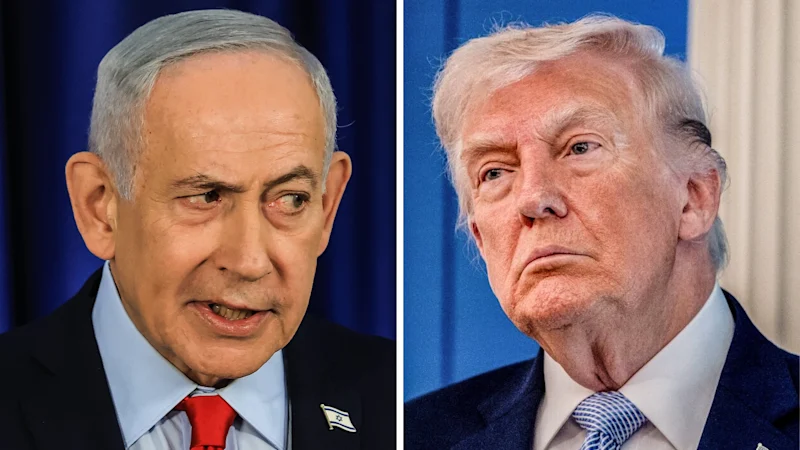
Washington: Israel and Lebanon will enter a 10-day ceasefire within hours, US President Donald Trump has announced, in another potential step towards ending the broader conflict with Iran.
But it was not clear how the ceasefire would work in practice, as Israel is fighting the terrorist group Hezbollah rather than the Lebanese state.
Donald Trump announced there would be a 10-day ceasefire in Lebanon after speaking with Israeli Prime Minister Benjamin Netanyahu.AFR
Trump said he spoke with Israeli Prime Minister Benjamin Netanyahu and Lebanese President Joseph Aoun on Thursday (US time), following talks between top diplomats in Washington earlier in the week.
“These two leaders have agreed that in order to achieve PEACE between their Countries, they will formally begin a 10-day CEASEFIRE,” Trump declared on social media. The truce will begin at 5pm Washington time (7am AEST).
Israel has continued to launch strikes against targets associated with Hezbollah, the Iran-backed militia in Lebanon that is a listed terrorist organisation in Australia, the US and elsewhere.
Hezbollah supporters chant slogans and wave flags and posters during an anti-government protest in Lebanon.Getty Images
Elliott Abrams, a senior fellow at the Council on Foreign Relations, and a former US special representative for Iran, said it was not clear who the ceasefire was actually between.
“If that means the state of Lebanon, what about Hezbollah? They can break it tomorrow and that’s the end of the 10 days,” he said.
Aoun does not control Hezbollah, though Abrams said he could potentially try to persuade them to stop through Lebanon’s parliamentary speaker Nabih Berri, a Hezbollah ally. “It’s not completely inconceivable to me.”
Hezbollah has not yet said whether it will participate in the ceasefire. But senior Hezbollah lawmaker Hassan Fadlallah told Reuters the group had been informed by Iran’s ambassador to Lebanon that a one-week ceasefire could begin on Thursday evening.
Asked if Hezbollah would commit to the truce, Fadlallah said everything was tied to Israel’s commitment to halt all forms of hostilities, and credited Iran’s diplomatic efforts for the possible ceasefire.
A boy walks through debris at the site of a building destroyed in an Israeli airstrike in early April in central Beirut.AP
Netanyahu said he had agreed to the 10-day ceasefire in Lebanon.
But he said Israel had not agreed to a Hezbollah demand to withdraw from southern Lebanon. He said Israeli troops would remain in Lebanon in a “security zone” to its border with Syria.
Trump said he had invited Netanyahu and Aoun to the White House for a meeting, but did not say whether they had agreed to come.
Related Article
The two countries do not have diplomatic relations and have not had high-level, in-person talks for more than 30 years – until the meeting between ambassadors at the US State Department this week.
There has been a ceasefire between the US, Iran and Israel since April 7, with ongoing talks to end the war that began on February 28. But the ceasefire did not include Lebanon.
Iran initially demanded the ceasefire apply to Israel’s attacks in Lebanon, but it participated in negotiations in Pakistan last week regardless.
Less than 24 hours before Trump’s ceasefire announcement, Netanyahu said Israeli forces were continuing to strike Hezbollah and were about to conquer Bint Jbeil, a municipality in the country’s south near the Israeli border.
He said he had also instructed the Israeli Defence Forces to “continue thickening the security zone” between the two countries.
“Our American friends are constantly updating us on the contacts with Iran,” Netanyahu said. Our goals are identical. In anticipation of the possibility that the fighting will resume, we are prepared for any scenario.”
with Reuters
Get a note directly from our foreign correspondents on what’s making headlines around the world. Sign up for our weekly What in the World newsletter.
Save
You have reached your maximum number of saved items.
Remove items from your saved list to add more.
Michael Koziol is the North America correspondent for The Age and Sydney Morning Herald. He is a former Sydney editor, Sun-Herald deputy editor and a federal political reporter in Canberra.Connect via X or email.