In Tokyo’s quiet season, the city slows to a simmer. Steam curls from teapots and kitchen windows, carrying whispers of charcoal, broth and roasted leaves. Hands cradle cups; laughter softens over wooden counters. Outside, cold air chills the streets, but inside, time stretches. At these restaurants, tradition isn’t just food, it’s rhythm: a pause, a pour, a shared silence before the next bite. The kind of comfort that lingers through centuries.
If sweet and chilly is something right up your alley, check out our article on Cafe Lumiere’s Tokyo Christmas Kakigori.
¥¥¥ Sakurai Japanese Tea Experience
Photo by Matt Eisenhauer
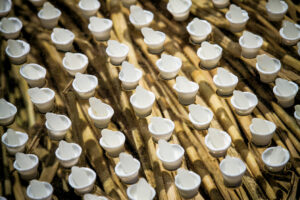
Marie Kondo minimalism meets the Japanese tea ceremony in a secluded Zen retreat. Sakurai Japanese Tea Experience is exactly that: an experience steeped in centuries of craft and quiet refinement. It’s an escape from reality, a time-warp portal disguised as a tea shop. How else could a single order of green tea last over an hour? In winter, the air feels warmer here, fragrant with the smoky, hypnotic scent of roasting leaves. The aroma drifts through the space, drawing you in from the cold. Choose your path: a winter course of gyokuro, blended teas, hojicha, matcha and sparkling tea. The staff present a wooden tray of five teas to smell, each carrying its own landscape of vibrant green fields, oven-roasted curls or cold dew on pine needles. If you hesitate, I’d nudge you toward Soufu Yamacha from Fukuoka, umami-rich and deeply soothing. The tea masters move with quiet precision, their white embroidered coats recalling a time when tea was medicine. From your counter seat, watch steam rise as she pours your first cup. “Drink slowly.”
Address: Spiral 5F 5-6-23 Minami Aoyama, Minato-ku
1-minute walk from Omotesando Station
Instagram:@sakurai_tea_shop
¥¥¥ Toraya Akasaka Main Store
Photo by Matt Eisenhauer
Above the fan-shaped glass facade and dark gray titanium roof, a fierce kanji emblem reads tora, tiger, hinting at the legacy within. Step through ya-ra-to, the backward-facing noren curtain, where an ikebana display greets you beside an attentive receptionist. Soft classical music floats through the minimalist space. Five centuries of Japanese sweet-making unfold here, a modern shrine to wagashi craftsmanship. Behind glass, artisans dressed in white shape each delicate confection by hand as sunlight spills across hinoki-paneled walls and polished counters. Upstairs, an airy shop displays hanabira mochi and other New Year wagashi beside Toraya’s signature yokan jelly and smooth sweet-bean paste. Put your name down early for the third-floor tea hall. Even at peak hours, the wait is worth it. Order the Akasaka seasonal lunch, served with your choice of wagashi. Eighteen generations later, your number is called. Each gently sweet bite melts on your tongue, followed by a warm, earthy sip of tea that lingers like a kiss. The black lacquered tray catches the light of your smile.
Address: 4-9-22 Akasaka, Minato-ku
7-minute walk from Akasaka-Mitsuke Station
Instagram:@toraya.confectionery
¥¥¥ Mizutaki Genkai
Photo by bonchan
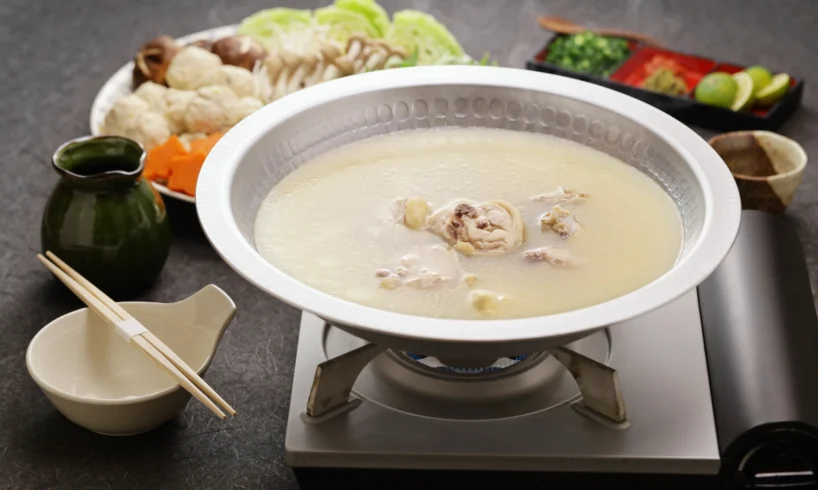
The blue-green glow of FamilyMart signs hums behind you as taxis slip through Shinjuku’s backstreets. Ahead stands a white three-story building, its exterior divided by inky black stripes like bold brushstrokes. A deep, lacquered red wraps the roofline and the lattice grates that frame the upper windows. At the entrance, a softly lit lantern bears the name Genkai, “mystic sea,” written in bold vertical script. Inside, warmth radiates from private tatami rooms where families and friends gather around steaming pots of mizutaki. Since 1928, Genkai has served this simple yet elegant chicken hot pot, its milky-white broth made with Date chicken from Fukushima and simmered through the founder’s original fukikoboshi “boil-over” method that draws out pure umami and collagen. A kimono-clad attendant quietly interrupts to add rice to the remaining broth. The stock deepens, richer now, with shared laughter and rising steam. After a long year, a meal like this reminds you what endures—and why you keep going.
Address: 5-5-1 Shinjuku, Shinjuku-ku
4-minute walk from Shinjuku Gyoen-mae Station
Instagram: @mizutaki_genkai_honten
¥¥ Eitaro Sohonpo
Photo from the E-Chaya Café
New Year in Tokyo feels hushed. The city empties as warm green tea fills porcelain cups and sweets rich with meaning take center stage. At Eitaro Sohonpo’s Nihonbashi flagship, history begins beneath your feet. The granite paving stones at the entrance remain unchanged since the shop opened here in 1857. To your right, the E-Chaya Café serves nadai kintsuba, an Edo-era azuki bean sweet grilled to order. A coffee set with sweet bean and butter toast offers a gentle comfort. Toward the back, glass cases display soft, seasonal mochi filled with koshi-an red-bean paste. Pick up an omiyage box of kuromitsu manju (available through December) or butter dorayaki before stepping back into the chilly, ginkgo-lined streets. Just as the New Year does each year, Eitaro bridges time, from Edo to Reiwa, tradition to innovation. Then, at that first chewy bite of mochi, you taste how the years have folded into now.
Address: 1-2-5 Nihonbashi, Chuo-ku
1-minute walk from Nihonbashi Station
Instagram:@eitaro_sohonpo
Looking for more festive eats? Here’s our guide to Christmas and Holiday Dinners around Tokyo.