As Australians put their New Year’s resolutions to work, gym industry leaders say the growing popularity of GLP-1 weight loss drugs poses an opportunity, not a threat, to the fitness sector in 2026.
January 1 is traditionally the cause to start a workout plan, and Canstar research shows one in four Australians made a gym membership part of their 2025 New Year’s resolution.
But the rising tide of GLP-1 medications, a category including drugs like Ozempic, Wegovy, and Mounjaro, is upending long-standing notions around weight loss.
Local medical practitioners and booming telehealth providers now prescribe GLP-1 drugs, originally designed for the treatment of type 2 diabetes, as a weight loss treatment.
An estimated 500,000 Australians are now thought to use those drugs, with no downturn expected through 2026.
Smarter business news. Straight to your inbox.
For startup founders, small businesses and leaders. Build sharper instincts and better strategy by learning from Australia’s smartest business minds. Sign up for free.
By continuing, you agree to our Terms & Conditions and Privacy Policy.
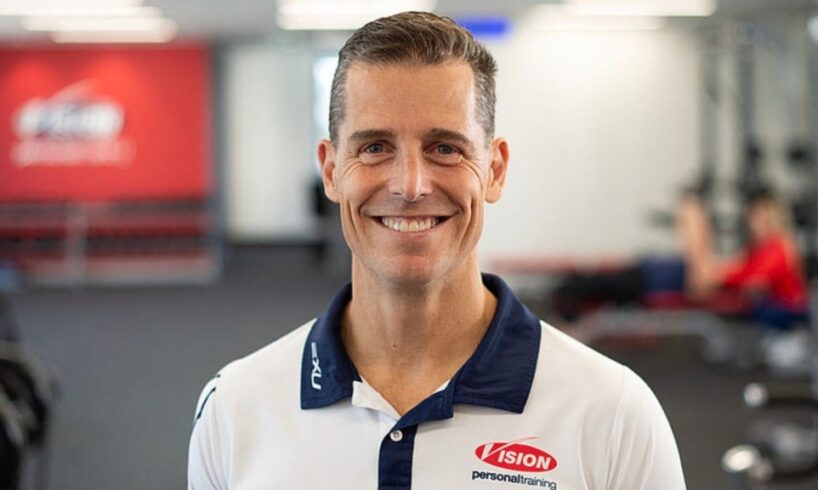
Andrew Simmons, founder of Vision Personal Training, says it is still too early to tell if this year’s gym sign-ups are down on 2025 numbers.
The true test will come after Australia Day, when the festive season has truly wound down, he says.
In any case, he is confident GLP-1s will not render old-fashioned gyms and personal training businesses obsolete.
“People ask me all the time now, ‘So are you worried about losing clients because of GLP-1 drugs?’”, Simmons told SmartCompany.
I say, ‘No, it’s actually going to help our business’.
Weight management is only one component of a holistically healthy lifestyle, he said, claiming fitness professionals are primed to help GLP-1 users retain muscle mass and bone density while cutting overall weight.
“You can’t get around the need to follow a structured weight training program and get your macronutrient balance right if you want to have a healthy body long term,” he said.
Ken Griffin, CEO of exercise and active health industry body AUSActive, also thinks fitness businesses will play an important role for weight loss drug users in the long run.
“Our sector has been doing a lot of work” to build awareness around weight-bearing exercise for GLP-1 users, he said.
Related Article Block Placeholder
Article ID: 311789
A growing number of personal trainers, exercise professionals, and gyms now advertise programs specifically for users “to actually help them get the full benefits of the medication,” he added.
Instead of painting those treatments as an outright threat to the sector, the GLP-1-using cohort is “actually an area of growth” for traditional fitness businesses.
The drugs are “a reason for people to engage not just with their doctor… but also with an exercise professional and their gym,” said Griffin.
Calls for lawmakers to boost fitness sector
While those industry leaders are optimistic about their role in a newly medicated world, they are also calling for more government support, bolstering their role in the broader healthcare system.
AUSActive is calling on federal lawmakers to tweak GLP-1 best practice guidelines to ensure medical practitioners routinely prescribe physical activity alongside the use of weight-loss drugs.
Griffin also suggests expanded fringe benefits tax exemptions or deductions could incentivise employers to fund strength, conditioning, or pilates courses for staff.
“There’s a lot of things that are already able to be treated well through fringe benefits tax, but it seems getting active isn’t one of those things, and we’d like to see a change in the legislation on that,” said Griffin.
AUSActive is still costing out that measure, but Griffin argued physical activity should be considered a preventative health measure, potentially saving taxpayers on traditional healthcare costs in the long run.
“Actually having this sector play a role in reducing the burden of health costs in Australia, and also the impact to individuals of poor health, is something that we’ve got the ability to do,” he added.
Contract terms under the pump
As the sector adapts to new pharmaceutical interventions, Simmons and Griffin fear the government’s plan to ban what it calls ‘subscription traps’ could rattle the gym sector.
In a years-long push to outlaw unfair trading practices, the government is considering reforms that could forbid unclear contract terms and subscriptions that are unnecessarily difficult to cancel.
Last week, Assistant Minister for Productivity, Competition, Charities and Treasury Andrew Leigh used new year gym sign-ups to frame the issue.
“As Australians set goals for the year ahead, they should be free to focus on getting fitter, healthier or more skilled, rather than wrestling with cancellation processes,” he wrote.
“New habits should not lock people into unwanted payments.”
Related Article Block Placeholder
Article ID: 313406
The same Canstar research, which found gym memberships were a common New Year’s resolution in 2025, also found 6% of current gymgoers attend less than once a week.
But Simmons says the government should think carefully before issuing blanket reforms affecting subscriptions.
While many gyms and fitness studios offer one-off passes or entry through third-party services like ClassPass, yearly memberships remain a major revenue driver in the sector.
“There’s definitely providers out there that may not do the right thing, but at the same time, I think that idea of signing up for a gym membership actually really helps people in a lot of ways,” said Simmons.
Reflecting on six- and 12-month programs tailored to a gymgoer’s particular needs, he said long-term commitments often keep clients “on track, because it prevents them from actually quitting on themselves”.
Consultation on draft legislation, underpinning the government’s unfair trading practices ban, will begin early this year.
Disclaimer: This article is general information only and does not constitute medical advice. Readers should consult a qualified health professional before making decisions about medication, diet or exercise.
Support is available:
Healthdirect: 1800 022 222
Butterfly Foundation: 1800 33 4673
Beyond Blue: 1300 22 4636
Kids Helpline: 1800 55 1800
Poison Information: 13 11 26
If you are in immediate danger, call 000.