The Department for Work and Pensions has announced proposals to remove benefits from those convicted of serious violent and sexual offences who are detained in hospitals under court orders
The DWP announced the proposals on January 15(Image: Alena Kravchenko via Getty Images)
Individuals convicted of serious crimes, including violent and sexual offences, who are hospitalised under court orders could see their benefit payments cut off under new proposals unveiled this week by the Department for Work and Pensions (DWP).
The proposed amendments would bar those convicted of serious crimes and hospitalised, including for mental health treatment, from claiming state benefits. Prisoners are already prohibited from receiving state benefits.
The government has stated its intention to extend this restriction to offenders hospitalised under court order, arguing that their “bed, board and treatment” costs are already accounted for, reports the Liverpool Echo.
Prime Minister Keir Starmer commented: “It cannot be right that offenders convicted of the most serious crimes continue to receive benefits they don’t need at the expense of the taxpayer. These proposals will restore basic fairness and common sense to our social security system.
“I’m determined to do whatever it takes to stand up for victims, protect taxpayers, and ensure support goes to those who genuinely need it. The Work and Pensions Secretary wants to ensure the benefits system reflects the stark difference between those receiving long-term hospital treatment and have not committed a crime – who will not lose benefits – and those detained under court order for serious offences.”
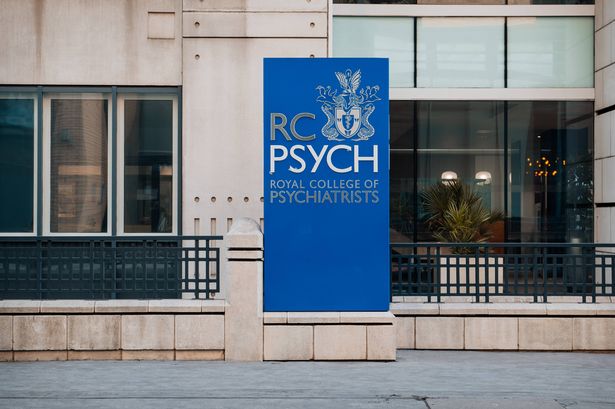
While some victims of mental health -related crimes have welcomed the move, it has also drawn criticism from the Royal College of Psychiatrists, who argue that the proposals contradict “a hundred years of progressive thinking” on psychiatric treatment and rehabilitation for mentally unwell offenders.
Julian Hendy from the Hundred Families charity, which supports families following mental health-related killings, said: “This is very welcome news. We have long argued that paying welfare benefits to people who have committed serious violent crimes is wrong and cannot be justified. They’re offenders sentenced to hospital orders who have no costs or need for such payments.
“We’ve argued paying benefits to such violent offenders is an insult to their victims who often struggle so hard to access effective care and support. We’re very grateful the Government have listened to our campaign and are taking action to put this anomaly right.”
Dr Lade Smith CBE, President of the Royal College of Psychiatrists, stated: “We recognise the devastating impact that serious crimes have on victims and their loved ones. Although rare, each act of violence by someone with mental illness is a tragedy and more should be done for the victims and their families, who deserve the best possible support and compensation available.
“The best way of reducing the likelihood of these tragic incidents from occurring is to ensure that people who have a mental illness have comprehensive access to effective mental healthcare and treatment.
“It is disappointing that support for vulnerable mentally ill people is being stripped back further when mental health services are already overstretched, underfunded and struggling to meet rising levels of need. We can only surmise that this is due to a lack of understanding of severe mental illness and the fact that it is treatable and relapse preventable.
“Universal credit ensures patients in secure settings have toiletries, clothing and other basic items which play a vital role in the recovery and rehabilitation process. This helps them prepare to return to their communities where they will face significantly reduced life chances. Removing their support is simply counterproductive as it will increase the likelihood of relapse and this might increase the risk posed to others.
“These proposals go against a hundred years of progressive thinking which has consistently shown that psychiatric treatment and rehabilitation of mentally unwell offenders is more effective and of greater benefit to individual and public protection than simply punishing mentally ill people. These plans will increase the inequity and stigma faced by people who are already subject to punitive conditions and particularly affect those who have both a mental illness and a learning disability.”
The DWP has stated it will consult clinicians, victims’ groups and mental health experts given the “complexity and sensitivity” of the matter.
The Government has not disclosed how many offenders would be impacted by the proposals.