In 2026, Brazilian companies are expected to face a record number of bankruptcies due to high interest rates and restricted credit, particularly affecting agribusiness and small businesses, leading to an increase in requests for judicial reorganization and raising concerns among economic sector experts.
Experts already see 2026 as one of the most challenging years for the Brazilian productive sector. The combination of high interest rates, more difficult credit access, and political uncertainty creates a worrying scenario for companies of all sizes.
The benchmark interest rate, the Selic, remains high, making financing, working capital, and debt renegotiation more expensive. At the same time, the election environment is increasing caution among banks.
The result could be historic: a possible record number of bankruptcies and bankruptcy filings in the country, with a direct impact on jobs, production, and supply chains.
— ARTICLE CONTINUES BELOW —
High interest rates and an election year create a scenario considered critical for companies.
High interest rates act like a domino effect. When interest rates rise, the cost of money skyrockets. Loans become more expensive, repayment terms shorten, and pressure on companies’ cash flow increases rapidly.
In 2026, this factor is compounded by the presidential elections. In election years, banks tend to adopt a more conservative stance, reducing credit supply and demanding more collateral.
The so-called perfect storm forms when high interest rates, scarce credit, and political uncertainty all come together. Many companies simply become unable to pay their bills.
And there’s one more element to this scenario.
Tax reform requires adaptation and increases operational costs.
The transition from tax reform also comes into play. Companies will need to adapt their systems, internal processes, and tax planning.
This change requires investment and financial reorganization, precisely at a time of tight cash flow.
For businesses already in debt, any new cost can be decisive. The sum of these factors increases the risk of insolvency in 2026.
Agribusiness leads in bankruptcy filings, surprising the market.
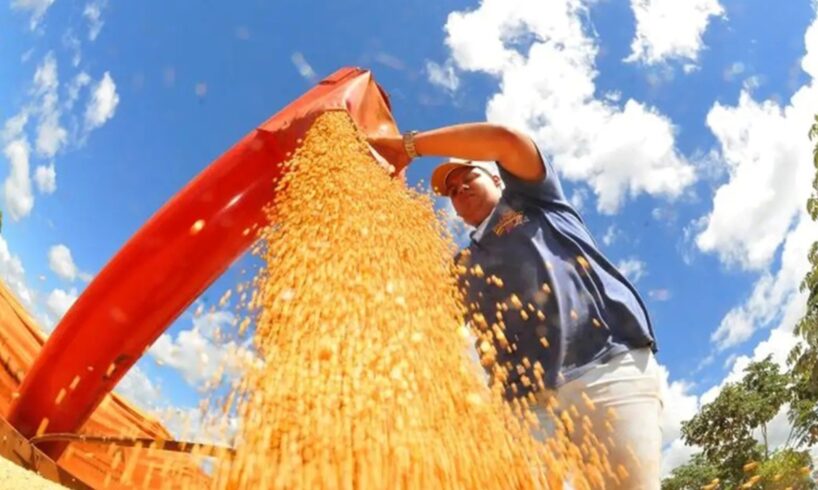
One of the most striking aspects is the performance of agribusiness. Traditionally seen as a solid pillar of the Brazilian economy, the sector now leads in requests for judicial reorganization.
Crop failures, lower prices, and high levels of debt explain the situation. Producers who invested with expensive credit are facing difficulties in meeting their financial obligations.
What seemed to be a sector shielded from crises is showing signs of fragility, reflecting the changing economic environment.
Micro and small businesses account for about 80 percent of orders.
If agribusiness is a concern, micro and small businesses suffer even more. They account for about 80 percent of bankruptcy filings.
With little reserve capital, these businesses are the first to feel the impact of the lack of credit. Without access to working capital, arrears accumulate rapidly.
The effect is widespread. Suppliers stop receiving payments, contracts are interrupted, and the entire production chain loses strength.
Judicial reorganization doesn’t always prevent bankruptcy.
Judicial reorganization exists to give companies breathing room. The mechanism allows them to renegotiate debts and reorganize their finances to avoid the permanent closure of operations.
The problem is that many business owners seek help too late. By the time they ask for help, there is no longer enough cash or assets to offer as collateral.
Without new money to support the recovery plan, the process fails. The result is bankruptcy, which officially ends the company’s operations.
Experts recommend agility and quick decisions for survival.
Given this scenario, the main recommendation is to act quickly. Waiting for an automatic improvement in the economy could be a fatal mistake.
Indebted companies need to evaluate alternatives before the situation becomes irreversible. Creditors are also advised not to postpone collections, as financial deterioration can reduce the chances of recovering the amounts owed.
By 2026, according to experts, efficient management and agility in decision-making will cease to be a differentiating factor and will become a matter of survival.
The potential record number of bankruptcies in Brazil is not the result of a single factor, but a combination of high interest rates, restricted credit, political uncertainty, and tax adjustments—a scenario that could redefine the business environment in the coming years.
And you, do you believe that Brazilian companies are prepared to face 2026, or could the country experience a historic wave of bankruptcies? Leave your opinion in the comments.
Suggested SEO keywordsBankruptcies 2026, judicial reorganization Brazil, high Selic rate impact, restricted credit for companies, agribusiness crisis, indebted small businesses, high interest rates in Brazil, Brazilian economy 2026, election year credit, tax reform for companies
Meta descriptions: High interest rates, restricted credit, and an election year could lead Brazil to a record number of bankruptcies and judicial reorganizations in 2026.
Suggested slug: record-bankruptcies-brazil-2026-high-interest-rates-restricted-credit-agribusiness-crisis