Google Global War Map with strike info
In a significant escalation of regional conflict, Israel launched preemptive military strikes against Iran early Saturday morning, triggering multiple explosions in Tehran and other locations across the country. The Israeli Defense Minister, Israel Katz, declared that the operation was intended to “remove threats” to Israel, marking a decisive move in the ongoing confrontation between the two nations. The strikes have led to widespread airspace closures across the region, including in Israel and Iraq, with flights suspended at several airports.
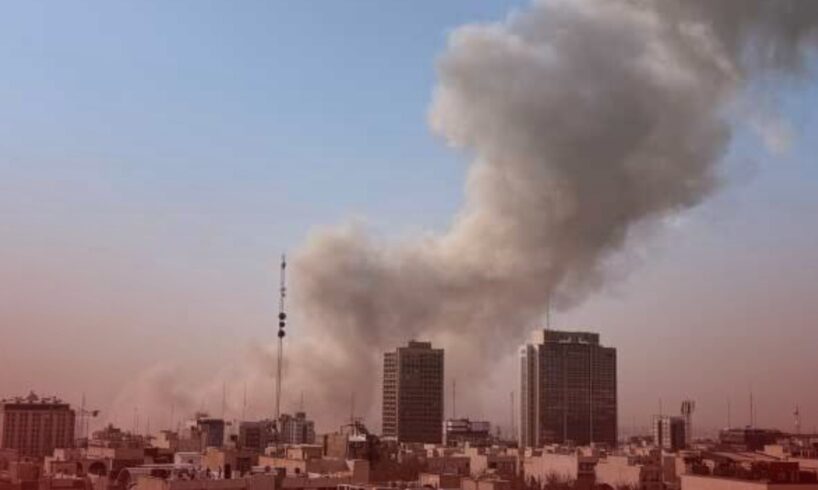
The attacks, which reportedly targeted official, missile, and security sites, have resulted in thick smoke rising from various locations in the Iranian capital. Iranian media reported explosions in northern and eastern Tehran, with some indicating that a site near the presidential palace was struck. Unconfirmed reports suggest that dozens of targets across Iran may have been hit. The office of Iran’s Supreme Leader, Ayatollah Ali Khamenei, in downtown Tehran, was also reportedly targeted, though the extent of the damage and the outcome of the strike remain unclear.
The United States has confirmed its involvement in the strikes, with President Trump describing the operation as a “massive and ongoing operation to prevent this very wicked, radical dictatorship from threatening America and our core national security interests.” This action follows weeks of escalating rhetoric and a pressure campaign by the Trump administration on Iran, particularly concerning its nuclear program. Despite recent diplomatic efforts, including indirect talks in Geneva, a deal to curb Iran’s nuclear activities has not been reached, further fueling the conflict.
These latest strikes come amidst a backdrop of heightened tensions that have been simmering for months, exacerbated by Iran’s crackdown on widespread protests and its continued pursuit of its nuclear program. The international community is closely monitoring the situation, with concerns mounting over the potential for further escalation and wider regional conflict. The strikes also follow a period of intense air conflict between Iran and Israel in June of the previous year, which saw significant exchanges of missiles and drones before a ceasefire was brokered.
As the region braces for potential retaliation, Israel has declared a state of emergency, with its Home Front Command issuing warnings to the public to adhere to safety instructions. The full extent of the damage and casualties is still being assessed, and details are emerging rapidly. The international response is expected to be significant as global powers grapple with the implications of this latest military confrontation in the Middle East.