A coroner could not say whether the shortcomings contributed to the death of Rory Caulton
15:03, 08 Jan 2026Updated 16:14, 08 Jan 2026
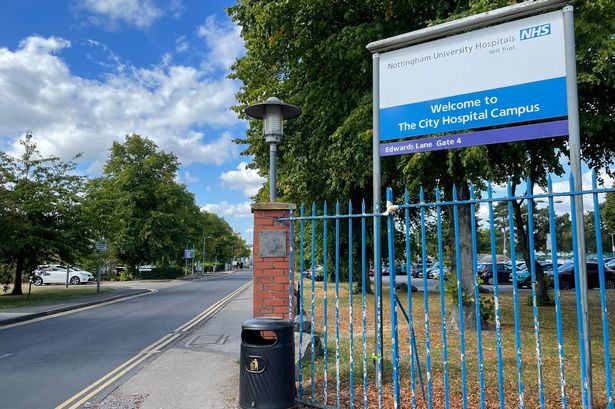
Nottingham City Hospital
A coroner has criticised ‘issues in the care’ of a premature baby who died from an infection at a Nottingham hospital, but ‘cannot say’ whether they contributed to his death.
Rory Caulton, who was born at 25 weeks, died at Nottingham City Hospital’s neonatal unit on September 8, 2024, after contracting pseudomonas aeruginosa.
An inquest, which concluded at Nottingham Coroner’s Court on Thursday, January 8, found shortcomings in the care of the baby, but could not say that they made a difference to the outcome.
This included a “missed opportunity” to take a swab test to check for a skin infection four days before his death, assistant coroner Dr Elizabeth Didcock said.
Rory was born weighing just 840g at King’s Mill Hospital, in Sutton-in-Ashfield, just before 6pm on August 22, 2024.
While tests were satisfactory for a pre-term baby, Rory was transferred to the neonatal unit at City Hospital the next morning, the inquest was told.
Rory died at just 17 days old(Image: Supplied)
He presented as a “fairly typical” premature baby, with “many of the complications you would expect of such a baby”, consultant neonatologist Dr Dulip Jayasinghe said in his evidence.
The baby was extubated – where the breathing tube is removed – and reintubated several times over the next two weeks, with a BiPAP breathing mask causing skin damage behind his ears and between his nostrils.
On September 7, Rory’s condition began to rapidly deteriorate, leading to his death the next day.
Tests found the baby had contracted pseudomonas aeruginosa, which had caused necrotising pneumonia.
Rory’s parents said they were shocked to see “gaping holes behind each ear”, a “hole between his nostrils” and bruising between the eyes, assistant coroner Dr Elizabeth Didcock told the inquest.
Dr Jayasinghe said it was unlikely the infection was contracted through Rory’s damaged skin, telling the coroner it most likely colonised through his bowel before moving through his bloodstream before settling in his lungs.
He said the damage caused were “common side effects” of the masks and said medics “did as much as we could have” to avoid them.
In her conclusion, Dr Didcock said there was a “lack of involvement” by the tissue viability team with regards to Rory’s skin damage, stating they should have been consulted from August 31.
“Skin swabs should have been taken as was planned. It was an important omission but I cannot say this has caused or made a difference to his death on balance,” she said.
“It’s possible it would’ve altered the choice of antibiotics on the morning of September 7.”
Earlier this week, the inquest was told the neonatal ward had seen an upsurge of pseudomonas aeruginosa infection between May and July, affecting four babies before the outbreak response was officially closed on August 25.
Infection control experts at Nottingham University Hospitals (NUH) said the infection contracted by Rory was separate to the original outbreak, but could not say where he caught it.
However, his mother Nicola strongly criticised the hygiene practices she witnessed across the ward following his transfer from King’s Mill Hospital on August 23.
On Wednesday, January 7, she told Nottingham Coroner’s Court she witnessed “really obvious flaws”, including nurses with dog hair in their tights, using their phones as calculators and doctors wearing their watches while reaching into incubators.
Tracy Pilcher, chief nurse at NUH, said: “I would like to offer my deepest condolences to the family of Rory Caulton at this very difficult time.
“We accept the coroner’s findings and appreciate the pressure injuries that Rory acquired could have been managed more effectively.
“Since Rory’s death we have developed bespoke neonatal training for staff on pressure injuries, increased awareness of the timeliness of pressure injury referrals and improved our audits in this area, which was recognised by the coroner in court.”
Rory’s parents are one of 2,500 families included in an independent review of NUH’s maternity services – the largest in NHS history.
The inquiry, chaired by experienced midwife Donna Ockenden, is examining cases of baby and mother deaths and harm, including brain injuries, dating back to 2012, and is due to report back its findings in June.