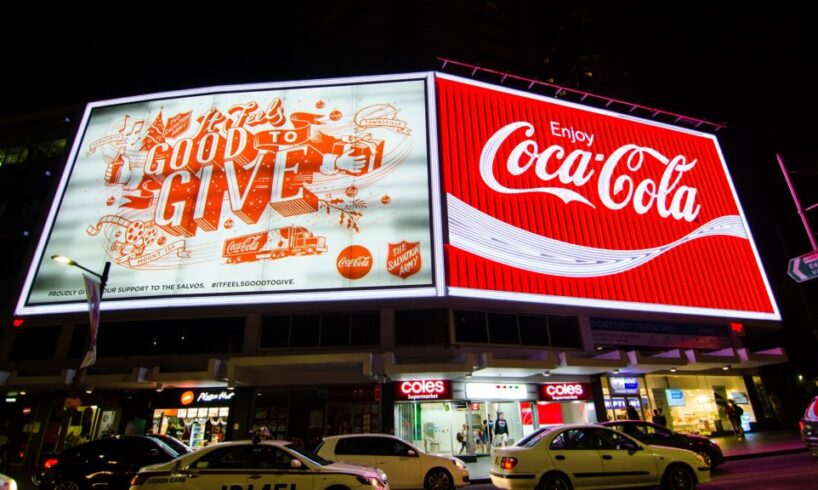
Sydney bars and clubs are celebrating the formal end of lockout laws, a suite of reforms designed to curb alcohol-fuelled violence that fundamentally changed the city’s nightlife economy.
Announced in 2014 after the one-punch deaths of Thomas Kelly and Daniel Christie, lockout laws forbade venues across Sydney’s central business district and Kings Cross from accepting new or re-entering patrons past 1.30am.
Rules announced by former NSW Premier Barry O’Farrell also forced bars to stop selling cocktails and shots past midnight, and all alcoholic drinks past 3am, while imposing 10pm cut-offs for takeaway alcohol sales at traditional bottle shops.
Official statistics show street assaults declined across the CBD and Kings Cross in the years after lockout laws were introduced.
Assaults did rise in surrounding ‘displacement’ areas, but the reduction in violence across the CBD and Kings Cross hotspots was still far more significant.
Smarter business news. Straight to your inbox.
For startup founders, small businesses and leaders. Build sharper instincts and better strategy by learning from Australia’s smartest business minds. Sign up for free.
By continuing, you agree to our Terms & Conditions and Privacy Policy.
The reforms earned support from groups like the Australian Medical Association, which cited a welcome downturn in alcohol-related harms.
Related Article Block Placeholder
Article ID: 176271
But the laws ravaged late-night foot traffic and rocked Sydney’s vibrant nightlife businesses, forcing many bars, pubs, clubs, karaoke bars, and live music venues to change their business model.
Many did not survive the transition, explicitly blaming those service restrictions and the unintended consequences for live performance for their collapse.
Restrictions were lifted in 2019 for the CBD and Oxford Street district, but remained in place for the Kings Cross district. Some alcohol service times were also pushed back for venues displaying good safety records.
COVID-19 restrictions in the next year heaped even more pressure on traditional nightlife districts.
After-hours hospitality businesses recovered as public health restrictions wound down, but the character of Sydney’s one-time nightlife hotspots was permanently changed.
Citing a Liquor & Gaming NSW review that found the reforms no longer fit for purpose, the Minns government said it will remove remaining restrictions, including last-drink rules across the CBD, Oxford Street, and Kings Cross.
“The lockouts had good intentions but a diabolical impact on the night-time economy and the reputation of our city,” said Minister for Music and the Night-time Economy John Graham, in a statement on the rollback.
Underlying alcohol service legislation will ensure Sydneysiders can enjoy a safe night out, he added.
In a brief comment accompanying Graham’s statement, Chris Gatfield, director of policy at the Australian Hotels Association, called the decision “great news” for the city.
Related Article Block Placeholder
Article ID: 47855
“Sydney couldn’t be considered a truly 24-hour city until these lockout restrictions were removed,” he said.
Mick Gibb, CEO of the Night Time Industries Association, welcomed the news.
“This is a landmark moment for Sydney’s night-time economy and vindication for the venue operators, artists, workers and patrons who have advocated tirelessly for these laws to be consigned to history,” he said.
He welcomed the government’s commitment to community safety through existing responsible service of alcohol requirements and licensing, instead of “arbitrary time-based restrictions”.
“It’s the result of genuine bipartisan collaboration between industry, government and regulators to find solutions that support both safety and vibrancy,” added Gibb.
Bec Foley, a PR and marketing leader focused on Sydney’s hospitality scene, had a sharper take.
“With the lockout laws finally gone, Sydney can admit it spent a decade grounded by an angry parent – phone confiscated, lights on, home by 1:30am,” Foley wrote on LinkedIn.
“While New York called itself the city that never sleeps, Sydney became the city told to go to bed… We’re off the leash now. Bedtime’s over. Turns out we’re old enough to stay out.”