With Vehicle Excise Duty (VED) rates set to rise later this year, motoring experts have warned people about the impact of the latest rise that could have an impact on drivers
Christopher Sharp Trendswatch Reporter
07:00, 02 Mar 2026
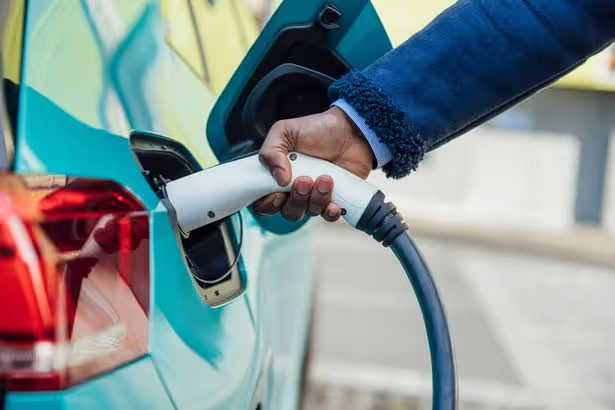
Electric car drivers have been warned about a new fee coming in April (stock)(Image: SolStock via Getty Images)
There are several changes coming to the way Britons run their cars this year, with a few potentially hitting car owners in the pocket. Whether it’s changes to the MOT or the growing range of new models, there are a few new factors for Britain’s drivers to consider.
Among these factors is a change to the expensive car supplement that, as mentioned in last year’s Budget, will rise to £50,000 for electric cars.
This will result in an increase in the Vehicle Excise Duty (VED) Expensive Car Supplement (ECS) threshold for electric cars. The threshold will rise from £40,000 to £50,000, something that could have a major impact on motorists.
Speaking to Reach about the changes to the expensive car supplement, Go Compare Motoring Expert Steve Ramsey warned drivers to be wary of the financial consequences of this latest change.
Steve warned: “The ‘expensive car supplement’ cliff edge means that, if your car costs over £40,000, you’ll pay an extra £410, at current rates, for each of the next five years.
“That’s over £2,000 extra that you don’t pay on a car with a list price of £39,995. So, watch out, as just upgrading the trim on your new car could be very costly. And don’t think negotiating a discount with the dealer will help, as it’s the list price that counts, not the price you paid.”
However, petrol and diesel cars aren’t immune from the changes and will also be affected, although some to a greater extent than most, particularly more premium models. Furthermore, high first year VED tax rises also apply to vehicles on a sliding scale depending on data concerning their emissions.
Changes to the VED were announced in last year’s budget(Image: Getty)
As an example, cars producing between 226 and 225g/km of fuel will pay around £4,850 per year to use the roads, £170 higher than before.
Labour has since confirmed the rates will increase. In a statement exchequer secretary Dan Tomlinson said: “Different rates apply to cars, vans, and motorcycles, and the rate for each vehicle is calculated according to a range of factors, such as its date of first registration, weight, or CO2 emissions.
“As announced by the government at Budget, from 1 April 2026, VED rates for cars, vans, motorcycles and heavy goods vehicles (HGVs) will be uprated in line with the Retail Price Index (RPI) in 2026-27.”
The increases have proved controversial given the rising cost of driving and compounding pothole crisis on the UK’s roads leaving drivers feeling like the money in their pocket doesn’t go as far as it used to. Drivers of older cars are also feeling the pinch as these cars often require more maintenance than newer cars.
Motorists of most cars are facing increased fees (stock)(Image: Getty)
In response, a new Parliamentary petition was launched calling for the introduction of a new VED tax band to cover cars that were between the ages of 20 and 39-years-old.
Under the petitioner’s proposal, cars in that age bracket would see a 50 percent “Transition to Historic” reduction in their VED. The hope is that this tax break would encourage people to keep their old cars rather than scrap them and get new ones.
The petition proposed: “Introduce a 50% VED reduction for cars aged 20-39. High taxes force functional vehicles to be scrapped, creating a “disposable” culture.
“Keeping existing cars is greener than building new ones, as it preserves embedded carbon. This “Young-Timer” bracket supports the circular economy and UK heritage.”
Responding to the petition on February 23, the Government concluded in their response: “While there are no current plans to reduce VED for cars aged 20 to 39 years, the Government keeps all taxes under review, and the Chancellor makes decisions on tax policy at fiscal events.”