Met Éireann has confirmed that tree pollen season has officially started with alder and yew already releasing high levels into the air
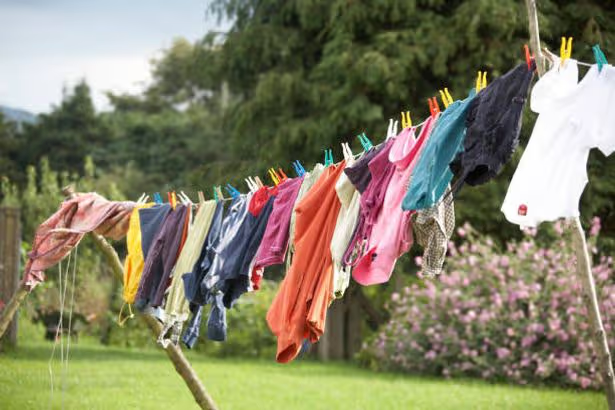
Drying clothes on a line in a garden (Image: Andrew Holt)
The country is basking in gorgeous sunshine today – but before you rush out with that laundry basket, health experts are warning households to reconsider reaching for the clothes line.
Residents nationwide are being cautioned against drying garments outdoors over the next few days as pollen counts start climbing, potentially sparking seasonal difficulties for countless people.
Met Éireann has confirmed that tree pollen season has officially started, with alder and yew already releasing “a lot of tree pollen” into the air. Cypress pollen is expected to follow shortly.
Whilst grass, weed and nettle pollen remain low for now, concentrations are expected to build in the coming weeks.
The national weather service’s latest three-day forecast indicates pollen levels are expected to be high in Leinster today and medium across the weekend. Munster, Connacht and Ulster are also forecast to see medium pollen levels throughout the weekend, reports the Irish Mirror.
The nation’s pollen season generally stretches from late March through to September and unfolds in three overlapping stages – tree pollen from March to May, grass pollen from mid-May to July and weed pollen from around July to September.
Approximately one in four Irish people suffer from hay fever, also known as seasonal allergic rhinitis, and they are facing months of discomfort, including sneezing, runny noses, itchy eyes, headaches and fatigue. The HSE stated: “Hay fever is an allergic reaction to pollen. You will have hay fever symptoms soon after pollen comes into contact with your mouth, nose, eyes and throat. Pollen is a fine powder that comes from plants. The most common sources of pollen are trees, grass and weeds.”
Those who don’t experience hay fever personally are also being cautioned that pollen clinging to clothes or bed linen brought indoors can still impact susceptible household members, especially youngsters or individuals with breathing difficulties.
A representative from MattressOnline suggests that families should adjust specific washing routines when pollen levels are at their highest.
They explained: “Don’t dry clothes on an outside washing line. Some of your washing habits might need changing when dealing with hay fever symptoms. For example, avoid drying your clothes and bedsheets outside in the fresh air after doing your laundry, where pollen and dust can collect. Instead, dry them in a tumble dryer or hang them up inside.”
Signs of hay fever.
The HSE outlines that hay fever symptoms may include:
Sneezing and coughingA runny or blocked noseItchy, red or watery eyesItchy throat, mouth, nose and earsLoss of smellPain around your temples and foreheadHeadacheEaracheFeeling tired
These symptoms can persist for weeks or months, and occasionally throughout the entire year. Whilst there’s no permanent fix, there are proven methods to alleviate the discomfort.
The HSE suggests the following steps to relieve hay fever symptoms, which include “do not dry clothes outside”.
Monitor the daily pollen forecast at Met Éireann.
Apply Vaseline around your nostrils to capture pollen.
Use wraparound sunglasses to prevent pollen entering your eyes Shower and change your clothes after you’ve been outside to wash the pollen off.
Stay indoors or plan indoor activities for children when the pollen count is high.
Keep windows and doors closed when the pollen count is high.
Dust with a damp cloth.
Vacuum often.
Be aware that pets can carry pollen into your house.
Do not cut grass or walk on grass.
Do not keep fresh flowers in the house.
Do not smoke or be around smoke – it makes your symptoms worse.
Do not dry clothes outside – they can trap pollen.
If hay fever’s getting the better of you, pop into your local pharmacy for advice on the most suitable treatments. There’s a range of options available, including antihistamine drops, tablets and nasal sprays, all designed to ease symptoms and bring relief.
For all the latest breaking news headlines today, visit our website home page.
Join Galway Beo’s top stories and breaking news service on WhatsApp.
Click this link to receive breaking news and the latest headlines direct to your phone.
We also treat our community members to special offers, promotions, and adverts from us and our partners.
If you don’t like our community, you can check out any time you like.
If you’re curious, you can read our Privacy Notice.