Some people can really struggle when the warmer weather arrives
Claire Schofield and Sam Dimmer East Midlands Head of Brand
06:27, 11 Mar 2026
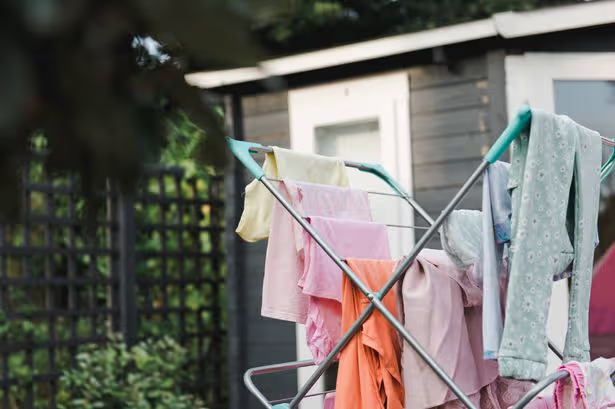
Drying your clothes outside can cause problems for hayfever sufferers(Image: Viktoriya Dikareva via Getty Images)
Households throughout Britain are being advised to stop hanging washing outside from March onwards in a bid to ward off hay fever symptoms.
March signals the arrival of meteorological spring and also heralds the onset of hay fever season, which generally lasts from late March through to September.
Britain’s pollen season is conventionally divided into three overlapping periods.
The initial phase spans March to May with tree pollen release, followed by grass pollen from mid-May to July, and concluding with weed pollen from approximately July to September.
However, the UK Health Security Agency (UKHSA) has cautioned this week that pollen and other allergens may emerge earlier than expected and persist for longer due to climate change, potentially triggering hay fever as early as January or February.
Pollen counts are strongly influenced by meteorological conditions, with higher temperatures often leading to increased pollen production.
With rising temperatures, studies indicate oak and grass pollen seasons could commence even sooner.
Consequently, those susceptible to hay fever may already be experiencing symptoms such as sneezing, a congested or runny nose, irritated, streaming eyes, and headaches.
Regrettably, hay fever has no cure, making prevention the most effective management strategy – which includes abandoning outdoor washing lines for drying laundry.
Pollen has a tendency to attach itself to clothing, hair and skin when you’re outdoors, meaning that if you leave your laundry hanging outside for extended periods, you risk transporting pollen indoors and exacerbating your symptoms, reports the Express.
It’s therefore recommended that garments be dried inside when pollen counts are elevated, as this can help reduce discomfort.
Whilst grass pollen remains the primary culprit behind hay fever flare-ups, tree pollens can also trouble numerous sufferers and tend to be released during the period from now until May, making it worthwhile to take preventative measures at this time.
In guidance published last April on managing hay fever season, Professor Helen A Brough, Professor of Paediatric Allergy, explained: “Hay fever, or allergic rhinitis, is an allergic reaction to pollen, causing symptoms like sneezing, runny or blocked nose, itching, and watery eyes. It occurs when the immune system mistakenly identifies pollen as harmful, triggering inflammation in the nose and eyes.
“Grass pollen is the most common trigger. Tree pollens cause symptoms from February to May, while weeds affect sufferers from April to September. Mould spores peak around September and October but may affect people throughout the year. To ease night-time symptoms, it is recommended that you:
“Some people experience Oral Allergy Syndrome, an itchy mouth or throat when eating certain fruits or nuts due to pollen-food cross-reactions. Antihistamines can relieve itching and sneezing; steroid nasal sprays reduce nasal blockage. Severe cases may benefit from immunotherapy (allergy desensitisation).”
Should you wish to hang your laundry outdoors briefly, it’s advisable to steer clear of peak pollen times – generally between 10am and 3pm – or whilst mowing the lawn, as this risks reintroducing pollen into your living space.
The NHS further advises keeping windows and doors closed “as much as possible”, taking a shower and changing clothes after being outdoors, hoovering frequently, and sporting wraparound sunglasses to stop pollen from entering your eyes and nose.
Regarding actions to avoid for minimising hay fever symptoms, the NHS stated: “Do not cut grass or walk on grass. Do not spend too much time outside. Do not keep fresh flowers in the house.
“Do not smoke or be around smoke – it makes your symptoms worse. Do not dry clothes outside – they can catch pollen. Do not let pets into the house if possible – they can carry pollen indoors.”