Shafaq News (Updated at 18:03)
A wave of
drone strikes and attempted attacks has affected large parts of Iraq in recent
days, with incidents reported in at least 14 of the country’s 19 provinces,
according to security sources, local officials, and statements from the US-led
Global Coalition.
Coalition
officials said their forces intercepted most of the drones targeting US
installations, while debris from downed aircraft fell across several provinces,
injuring civilians in some locations. Other drones appear to have reached their
intended targets, including facilities linked to Iraq’s Popular Mobilization
Forces (PMF), the Iraqi Army, and foreign military bases.
The
incidents represent one of the widest geographic spreads of drone activity
recorded in Iraq in recent years, affecting military installations, oil
infrastructure, and diplomatic facilities across both federal Iraq and the
Kurdistan Region.
How The
Information Was Compiled
The
following list is based on security briefings, local government statements, and
reports from field sources collected by Shafaq News between March 1 and March 13.
Some
locations represent confirmed strikes, while others involve intercepted drones
or debris that fell after air defenses engaged incoming aircraft.
Officials
have not released a full official list of targeted locations.
Main Strike
Patterns
Analysis of
the incidents indicates four primary target categories:
· US and coalition
military facilities.
· PMF headquarters
and bases linked to resistance factions.
· Strategic
infrastructure, including oil fields.
· Iranian
opposition parties.
Several
incidents also occurred near civilian areas after drones were intercepted by
air defenses, causing debris to fall across residential neighborhoods and open
land.
Airstrikes hit Asaib Ahl Al-Haq, Kataib Hezbollah sites in #Iraqhttps://t.co/leyNGUtoar
— SHAFAQ NEWS ENGLISH (@SHAFAQNEWSENG) March 13, 2026
Provinces
Reporting Drone Incidents
Western
Iraq – Al-Anbar
Reported
incidents include:
• PMF
headquarters in Al-Qaim district near the Syria border.
• A second
PMF site near the border strip in Al-Qaim.
• Facilities
linked to armed factions in Akashat.
• Locations
linked to armed factions in Fallujah.
• Positions
in Al-Karma and Al-Saqlawiyah.
• An Iraqi
Army installation in Al-Nukhayb.
The region
hosts several logistical routes used by armed groups operating between Iraq and
Syria.
Northern
Iraq – Nineveh and Kirkuk
In Nineveh
province, several sites linked to PMF brigades and resistance factions were
reported among the targets:
• PMF 50th
Brigade headquarters in Batnaya.
• PMF 30th
Brigade headquarters in Bartella.
• Locations
linked to factions in the Nineveh Plain.
• Positions
near Al-Qayyarah.
• An Iraqi
Army site in Makhmour.
In Kirkuk
province, incidents were reported at:
• A PMF
headquarters in the Badr neighborhood.
• A PMF site
between Bashir and Tuz Khurmatu.
Read more: Iraq’s oil lifeline under pressure: US-Iran war reshapes Baghdad’s economic calculus
Central Iraq
– Baghdad and Babil
Several
high-profile sites were linked to the wave of incidents in Baghdad:
• The US
Embassy in Baghdad’s Green Zone
• A US
diplomatic logistics facility at Baghdad International Airport
• Camp Saqr,
a major PMF site south of Baghdad
In Babil
province, a PMF facility in Jurf al-Nasr (Jurf al-Sakhr) was also listed among
reported targets.
Southern
Iraq
Reported
incidents extended into southern provinces:
Basra
• Basra
Operations Command
• Majnoon
oil field
•
Al-Bargesia energy facilities
Dhi Qar
• Imam Ali
Airbase
Maysan
• An Iraqi
Army border checkpoint
Al-Muthanna
• A desert
area near Al-Samawah
Kurdistan
Region
Several
incidents were reported around military and energy facilities in the Kurdistan
Region.
Erbil
• Harir
Base, hosting US forces
• Erbil
International Airport, where coalition troops operate
• US
Consulate compound
• An Italian
military base
• A joint
Peshmerga–French forces base
Energy
infrastructure and facilities linked to Iranian Kurdish opposition groups
(Komala, PJAK, KDPI) were also reported among possible targets.
Al-Sulaymaniyah
•
Headquarters of Iranian Kurdish opposition groups
• Peshmerga
headquarters affiliated with the Patriotic Union of Kurdistan
Halabja
•
Telecommunications towers near the city
Duhok
• Oil
infrastructure linked to foreign companies
Read more: Caught between war and neutrality: Kurdistan navigates escalating US-Iran confrontation
The
distribution of reported targets suggests that the incidents were not randomly
scattered across Iraq but concentrated along several strategic corridors,
including the Syria–Iraq border region, a belt of Popular Mobilization Forces
deployments across northern provinces, and key coalition military installations
in Baghdad and the Kurdistan Region. Such patterns often reflect attempts to
pressure supply routes, operational bases, and foreign military presence
simultaneously.
Casualties
and Damage
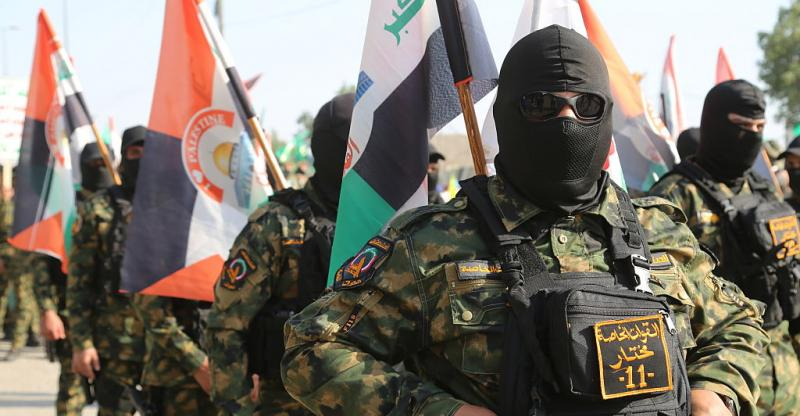
Factions
operating under the Islamic Resistance in Iraq (IRI) said Wednesday that their
attacks had killed 13 American personnel and wounded dozens more over the past
12 days. US officials have not confirmed the claim.
US Central
Command (CENTCOM) said Thursday that an American KC-135 aerial refueling
aircraft involved in the ongoing operation against Iran crashed in Iraq.
All six
crew members on board the aircraft have been confirmed deceased. Meanwhile, the IRI said it had targeted the
KC-135 aircraft west of Iraq, stating that it was hit but managed to withdraw
and make an emergency landing at a US military facility.
All Crew Members of U.S. KC-135 Loss in Iraq Confirmed DeceasedTAMPA, Fla. – All six crew members aboard a U.S. KC-135 refueling aircraft that went down in western Iraq are now confirmed deceased. The aircraft was lost while flying over friendly airspace March 12 during…
— U.S. Central Command (@CENTCOM) March 13, 2026
The group’s
affiliated Sabereen News channel on X also published mourning notices for at
least 12 fighters during the same period. The announcements did not specify
which factions the fighters belonged to within the Islamic Resistance network
or whether they were serving in units formally incorporated into the Popular
Mobilization Forces (PMF).
Elsewhere,
six French soldiers were reported injured in Erbil during attacks on coalition
facilities. French President Emmanuel Macron later announced the death of a
French soldier linked to operations in the area, though it remains unclear
whether the casualty was among those previously reported wounded.
The Popular
Mobilization Forces said their headquarters in several provinces had been
struck by 32 airstrikes since the beginning of the month, leaving 27 members
dead and 50 others wounded.
In the
Kurdistan Region, Karzan Sherko, spokesperson for the Asayish security forces,
said one member of the Iranian Kurdish opposition group Komala was killed and
another injured in the village of Zargwezala in Al-Sulaymaniyah province.
A drone attack targeting Erbil
International Airport on March 7 killed one member of the Asayish and wounded
three others, according to Kurdish security officials.
Read more: Iran’s denial vs. proxy escalation: Iraq caught between diplomacy and battlefield reality
Who May Be
Responsible?
Responsibility
for many of the incidents remains unclear.
Iran has
said it carried out operations targeting Iranian Kurdish opposition groups
based in Iraq’s Kurdistan Region.
No actor has
formally claimed responsibility for the strikes on PMF or resistance-linked
sites elsewhere in Iraq. Some Iraqi security sources have suggested the United
States or Israel may have conducted the attacks, although neither country has
confirmed involvement.
Meanwhile,
factions operating under the Islamic Resistance in Iraq umbrella say they have
carried out more than 200 attacks on US military facilities in Iraq during the
current escalation.
Written and edited by Shafaq News staff.