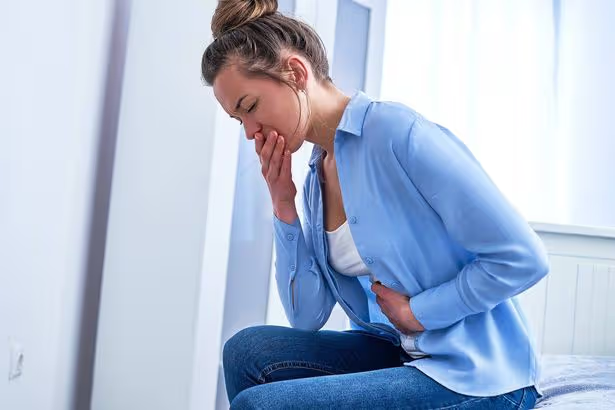
Norovirus cases are surging across Ireland
(Image: Getty Images)
Irish health officials are urging people to stay away from work if they develop two common symptoms, as a highly contagious bug continues to spread across the country.
Norovirus, also known as the winter vomiting bug, is “currently circulating at very high levels in the community” and the HSE has warned that “it is not always possible to avoid” catching it. In the past week, 115 cases were reported – a 43.8% jump from the 80 infections reported the previous week.
The virus spreads easily through close contact as well as contaminated surfaces, objects and food, making outbreaks difficult to contain once they begin.
In an update published last week, the Health Protection Surveillance Centre (HPSC) said: “Norovirus, a very common cause of gastroenteritis, is currently circulating at very high levels in the community. Norovirus (often called the winter vomiting bug), causes vomiting and diarrhoea and is highly infectious, easily spread by close contact between people.
“Norovirus, for most people, is an unpleasant but mild illness that passes off quickly without any treatment. It can usually be managed at home – drinking plenty of fluids is usually all that is needed. It’s not always possible to avoid getting norovirus, but following the advice can help stop the virus spreading.”
Health officials are reminding the public to take extra care, particularly when visiting hospitals, nursing homes or anyone who may be vulnerable.
The HPSC added: “This seasonal surge in norovirus puts extra pressure on health and care services. We can all help by taking simple precautions. If you have respiratory symptoms, or vomiting or diarrhoea, do not visit hospitals, nursing homes or vulnerable people at home.
“Avoid social visits to care settings while unwell. Outbreaks of norovirus in hospitals and nursing homes can cause serious disruption and increase risks for patients and staff. Your actions make a difference.”
Avoid work
The HSE is advising anyone experiencing vomiting or diarrhoea to stay at home and avoid work or school for at least 48 hours after symptoms have passed. People with symptoms are also being asked to avoid visiting hospitals or care homes and to limit socialising until they have fully recovered, the Irish Mirror reports.
Anyone experiencing norovirus symptoms is also asked to avoid going to the Emergency Department where possible, and instead get advice from a pharmacist or GP by phone.
However, those who feel seriously unwell “should not delay” attending the Emergency Department, but should let staff at reception know if they have vomiting or diarrhoea so precautions can be taken.
The HSE has warned that introducing norovirus into health or care settings can lead to staff illness, service disruption or even closures, while vulnerable patients can face “serious consequences” if they are infected.
The public is also being reminded to wash hands frequently and thoroughly with soap and water, as alcohol hand gels do not kill norovirus. Surfaces that may be contaminated should be disinfected using a bleach based cleaner, while any affected clothing or bedding should be washed separately on a hot cycle.
Towels and face cloths should not be shared, and any vomit or infected waste should be flushed away and the surrounding area cleaned thoroughly. People are also advised to avoid eating raw, unwashed food produce.
The HSE added: “Norovirus causes diarrhoea and vomiting. It is one of the most common stomach bugs in Ireland. It’s also called the ‘winter vomiting bug’. This is because it’s more common in winter. But you can catch it at any time of the year.
“Norovirus can be unpleasant but it usually clears up by itself in a few days. You can normally look after yourself or your child at home. Try to avoid going to your GP, as norovirus can spread to others very easily.”
Symptoms
Symptoms to watch out for include:
feeling sickgetting sick (vomiting)having diarrhoea
The HSE said “Some people also have a slight fever, headaches, painful stomach cramps and aching limbs. The symptoms start one to two days after you become infected and last for up to two or three days.
“The best thing to do is to stay at home until you’re feeling better. There’s no cure for norovirus, so you have to let it run its course. Antibiotics will not help because it’s caused by a virus. You do not usually need to get medical advice unless there’s a risk of a more serious problem.”