Surging fuel prices have exposed a gap between businesses reliant on road transport, who say they are forced to pass rising costs on to consumers, and office-based workplaces capable of working from home.
Conflict in the Middle East has entered its fourth week, and constrained oil production continues to lift prices at the pump across Australia.
The International Energy Agency (IEA) on Saturday says employees should consider working from home to lower fuel demand.
Energy Minister Chris Bowen called it “sensible” for workers to work from home, where appropriate, and his colleague, Industry Minister Tim Ayres, said employers can make the call.
But a growing number of businesses, which either travel for work or depend on road transportation, fear they have no choice but to carry on — and hope that customers will pay the difference.
Smarter business news. Straight to your inbox.
For startup founders, small businesses and leaders. Build sharper instincts and better strategy by learning from Australia’s smartest business minds. Sign up for free.
By continuing, you agree to our Terms & Conditions and Privacy Policy.
Prices gone to the dogs
Bec Calear, owner of Canberra business Bec’s Mobile Dog Grooming, on Monday announced new travel charges: $5 for local jobs, and $10 for bookings over 15km away.
“With the ever rising prices of fuel, I have no choice but to add a travel charge,” Calear said, in a statement shared to Facebook.
“This travel charge will ONLY be around until the price of fuel comes back down, but with current and increasing fuel prices it’s no longer sustainable for me.”
Related Article Block Placeholder
Article ID: 333555
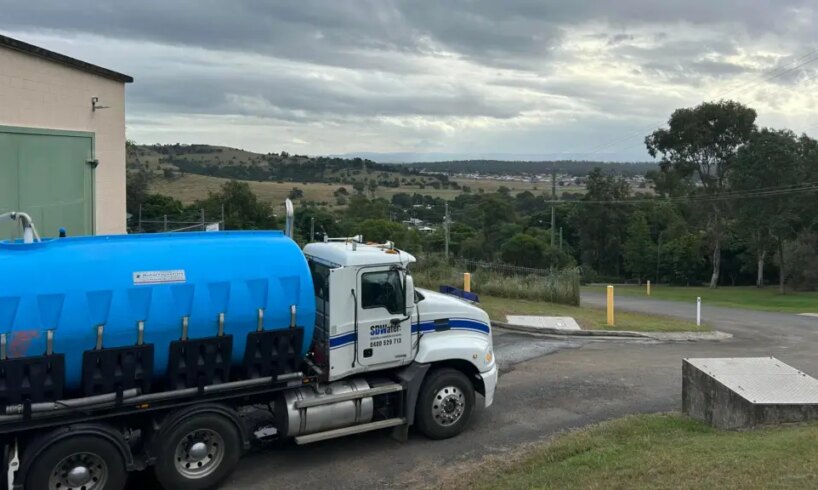
Somerset Domestic Water, providing bulk water deliveries across Queensland’s Somerset and Moreton Bay regions, is also lifting prices to meet the needs of its diesel truck fleet.
“This decision has not been made lightly,” said the business, in its own social media announcement.
“We have absorbed as much of the cost increase as possible, but to maintain service quality, equipment and availability, this adjustment is necessary as we want to continue servicing you long term.”
Other businesses, like Brisbane whitegoods repair service The Appliance Whisperer, are increasing call-out costs to cope with fuel prices.
The business will tack an extra $5 fee on call-outs, owing to the “current instability and projected long-term elevation of fuel prices”.
A growing WFH divide
Elsewhere, some white-collar small businesses have proactively advised workers to stay at home, cushioning the blow of stunning petrol and diesel prices.
UR Digital, an SEO agency based in Sydney, has introduced a new WFH day each week to counteract those pressures.
“We care for our team,” said founder Pulkit Agrawal.
“If we can remove the stress of petrol queues and the financial hit of a $150 or more tank of fuel, it’s a simple decision.”
The decision suggests small businesses across Australia will endure the fuel supply crunch very differently, depending on whether their work absolutely requires them to hit the road.
Despite openness to WFH conditions from the federal government, the chance of top-down orders to stay off the road — which would further challenge mobile businesses — is slim.
When quizzed on the possibility yesterday, NSW Premier Chris Minns said WFH orders covering the state’s public sector would not solve the supply puzzle.
Nevertheless, Agrawal said his business “will not wait for a new government mandate to WFH”.