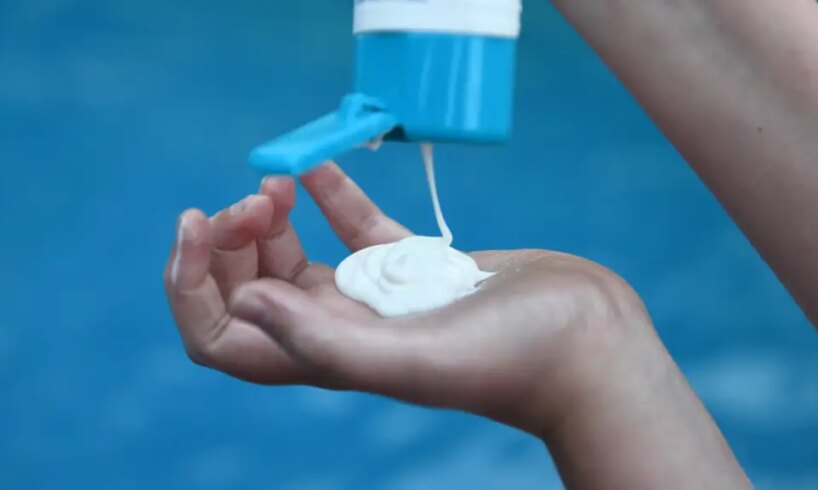
Sunscreen testing standards could change, and laboratories could be held to a higher standard, under new proposals from Australia’s medicines regulator.
Related Article Block Placeholder
Article ID: 328302
Following a bombshell Choice report that found some sunscreens sold in Australia fell short of their listed sun protective factor (SPF) ratings, the Therapeutic Goods Administration (TGA), which oversees the sector, has tabled options for reform.
“Given Australia has the highest rates of skin cancer and melanoma in the world, with around 2,000 people dying each year, it is critical that the regulatory settings are appropriate to ensure consumer confidence in sunscreens,” the TGA said in a statement shared on Wednesday.
Choice campaign director Andy Kelly welcomed the consultation, saying the issue has been top-of-mind for the consumer group since it discovered 16 of 20 tested sunscreens fell short of their advertised SPF.
“In a country where two in three people will be diagnosed with some form of skin cancer in their lifetime, it’s vital that consumers can rely on SPF claims when purchasing products to protect their skin from the harsh Australian sun,” he said.
Smarter business news. Straight to your inbox.
For startup founders, small businesses and leaders. Build sharper instincts and better strategy by learning from Australia’s smartest business minds. Sign up for free.
By continuing, you agree to our Terms & Conditions and Privacy Policy.
“We look forward to working with the TGA to ensure this will be the case going into the future.”
The new consultation paper covers a range of reform options in seven key areas.
Related Article Block Placeholder
Article ID: 324223
Currently, sunscreens sold in Australia are tested under the in vivo method, which measures SPF performance when sunscreen is applied to human subjects.
The report notes “there is recognised variability” with this method, depending on the subject, and efforts to account for these differences “have not been sufficient”.
The TGA says new in vitro testing methods, which measure a sample’s SPF performance in isolation, eliminate the need for human testing and can be more cost-effective.
However, there is “little real-world experience” with those methods, which also do little to measure water resistance.
Options put forward include maintaining the in vivo status quo, allowing sunscreen brands to rely on both or either method, or mandating in vivo testing as the standard.
Allowing the TGA to accept in vitro results would require updated legislation or further rounds of public consultation.
The TGA is also considering ways to increase oversight of the laboratories tasked with testing sunscreens for the Australian market.
Again, it proposes keeping oversight standards as they are, which could limit new compliance costs for brands.
Alternatively, it could require that SPF products sold in Australia come from accredited or certified labs, which the TGA says would greatly reduce the “likelihood of inaccurate SPF claims and unsafe products entering the market”.
Additionally, the TGA asks if updated SPF labeling — a process that could overhaul the traditional ratings like SPF30 or SPF50+, and move towards a scale from ‘Low’ to ‘Very High’ — could strengthen the system.
“Proposals to improve and expand testing requirements, require accreditation for testing laboratories, and increase transparency will help restore consumer trust in the reliability of SPF claims,” said Kelly.
“While there are some options we don’t support, such as replacing the current SPF numbering system, we commend the TGA for acting.”
The consultation paper is open for comment until May 23.