A Galway care home has been found to be ‘non-compliant’ in six areas after an inspection was carried out at the premises.
Details from an inspection report carried out by HIQA have been published this week for Brampton Care Home in Oranmore, Galway.
According to the report from the unannounced inspection, the centre was non-compliant in six of the nine regulations taken into consideration in the report including staffing, records, government and management, notification of incidents, complaints procedure and protection.
The designated centre cares for residents with aging related health issues inclusive of physical, psychological and social concerns. The service cares for both male and female residents that are aged 18 years and over.
The care extends to those with dementia, cognitive impairment, mental illness, intellectual disabilities, physical disabilities and chronic physical illness.
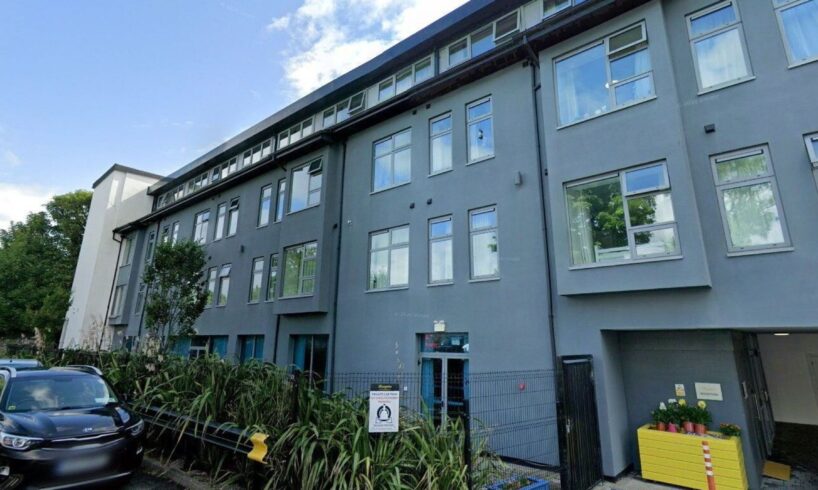
There is 24-hour nursing care available in the centre, which is laid out over three floors of a four-storey development.
Residents have access to outdoor garden and the centre has 94 beds, 82 single occupancy en-suite rooms and six double occupancy en-suite rooms.
At the time of the inspection on January 14 2026, there was a total of 78 residents at the care home.
Overall, while residents reported recent improvements in the centre, this inspection found that the registered provider had failed to ensure that there were sufficient resources in place to effectively deliver care to residents.
Additionally, the systems of management and oversight in place to monitor the management of complaints, incidents of safeguarding and the overall quality and safety of care to residents were not adequate.
The report found that the number and skill mix of staff was not adequate to meet the needs of the residents, taking into account the size and layout of the designated centre. This was evidenced as follows:
Multiple residents told inspectors that they were aware of the staffing shortages in the centre and felt that the staff were unfamiliar with their care needs, likes and dislikes, while key management hours were unfilled with insufficient deputising arrangements in place.
Residents also reported having to wait extended periods of time to have their call bell answered. Rosters evidenced multiple days whereby the staffing compliment was reduced, with staff not replaced when they were unexpectedly unavailable to work. The reduced hours varied from twelve hours, up to forty eight hours in a single day.
Record management was not in line with the requirements of the regulations. This was evidenced by record keeping being “disjointed and difficult to review” resulting in some records being inaccessible. For example, the provider could not confirm from the training records what staff had completed training in line with the requirements of the regulations. It was also evidenced by records of incidents with potential safeguarding implications and complaints management were incomplete, resulting in information governance systems, essential for the quality and safety of the service, being ineffective.
Inspectors found that, while the day-to-day needs of residents were met by staff, the continued failure of the provider to address significant non-compliance in the governance and management of the centre impacted on the quality and safety of the service provided to residents. This was particularly evident in the providers failure to take reasonable measures in the protection of residents, evidenced by the failure of staff to follow safeguarding processes in line with best practice, in recognising potential abuse, and responding appropriately when an allegation of abuse was brought to the attention of staff.
Inspectors identified that reasonable measures to protect residents from abuse were not in place. While staff had completed training, there was evidence in the records reviewed that they were not identifying and reporting possible safeguarding incidents as they occurred. For example, the Chief Inspector had received reports of residents reporting poor care practices that increased the risk of injury. In the centre, these concerns, when raised by residents or their families, had been recorded as complaints, and so the management team had not followed their own policies in relation to managing incidents of suspected or alleged abuse.
However, the inspection noted that the centre was compliant or substantially compliant in the three other regulations assessed, including healthcare, individual assessment and care plan and contract for the provision of services.
In regards to healthcare, the inspection noted that residents had timely access to medical assessments and treatment by their General Practitioners (GP) and the person in charge confirmed that GPs were visiting the centre, as required. Residents also had access to a range of allied health care professionals such as physiotherapist, occupational therapist, dietitian, speech and language therapy, tissue viability nurse, psychiatry of later life and palliative care.
A compliance plan for the centre was provided by HIQA following the inspection.