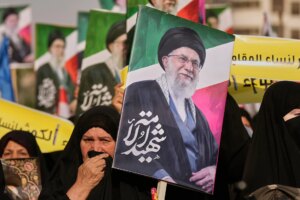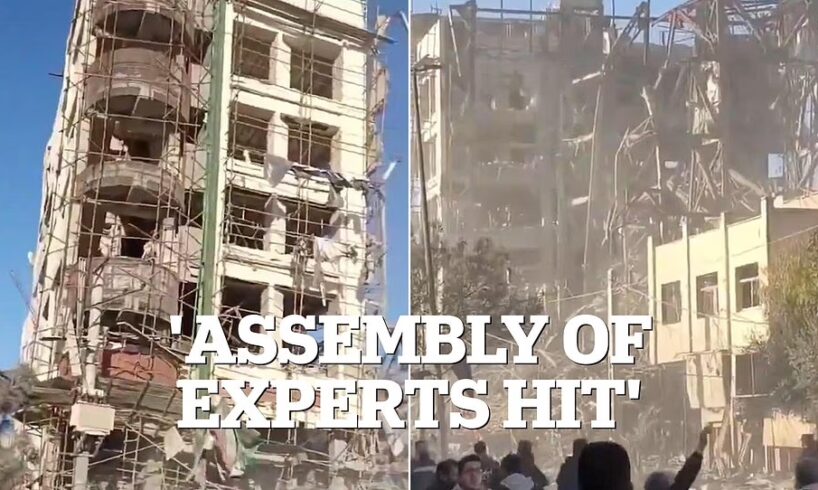
The political landscape of Iran is undergoing a period of profound change following the confirmed death of Supreme Leader Ayatollah Ali Khamenei. The nation is now navigating the complex process of selecting a new supreme leader, a transition that is occurring against a backdrop of heightened regional tensions and internal political maneuvering. The Assembly of Experts, a body of 88 senior clerics and jurists, is constitutionally tasked with appointing the next supreme leader, a process that is expected to be carefully managed, drawing on years of preparation and established protocols.
In the immediate aftermath of Khamenei’s death, an interim three-member leadership council has been formed to assume his powers. This council includes President Masoud Pezeshkian, Judiciary Chief Gholam-Hossein Mohseni-Ejei, and senior cleric Alireza Arafi. This transitional body will oversee the nation’s affairs, including national security and key institutions, until a permanent successor is chosen. The process of selecting a new leader is not unprecedented, as Iran has had only two supreme leaders since the 1979 revolution: Ayatollah Ruhollah Khomeini and Ali Khamenei.
The succession planning within Iran is reportedly a meticulous process, involving committees within the Assembly of Experts that evaluate potential candidates and maintain shortlists. While no single dominant figure has emerged as a clear frontrunner, several individuals are considered potential successors. These include Mojtaba Khamenei, the son of the late supreme leader; Ali Larijani; Hassan Khomeini, the grandson of the revolution’s founder; and Alireza Arafi, who is also part of the interim leadership council. The selection process will require a majority vote within the Assembly of Experts, with candidates needing to meet stringent religious and political qualifications.
Iran’s foreign policy has been increasingly characterized by a pivot towards Eastern powers, particularly Russia and China, as a strategic response to perceived Western estrangement and economic pressures from sanctions. This shift, intensified during the presidency of Ebrahim Raisi, has seen a greater emphasis on centralization, anti-Westernism, and security-driven strategies, with key decision-making influence moving towards bodies like the Supreme National Security Council and the Islamic Revolutionary Guard Corps. The nation’s foreign policy continues to be guided by core principles rooted in ideology, national identity, and a rejection of Western influence, aiming to remove external pressures and preserve its regional influence.
The current geopolitical climate adds another layer of complexity to Iran’s leadership transition. The nation faces escalating confrontations and has been the target of joint military operations by Israel and the United States. This volatile environment raises questions about the timing of the succession, as appointing a new, single leader could present a new target for external pressure. However, the Iranian leadership recognizes the need for stability and continuity, suggesting that the process, while potentially lengthy, will ultimately aim to project an image of strength and resolve to both domestic and international audiences.