Shafaq News
An in-depth look at Halabja in northeastern Iraq, where the
legacy of the 1988 chemical attack, agricultural life, Kurdish identity, and
post-genocide recovery continue to shape a city built on memory and resilience.
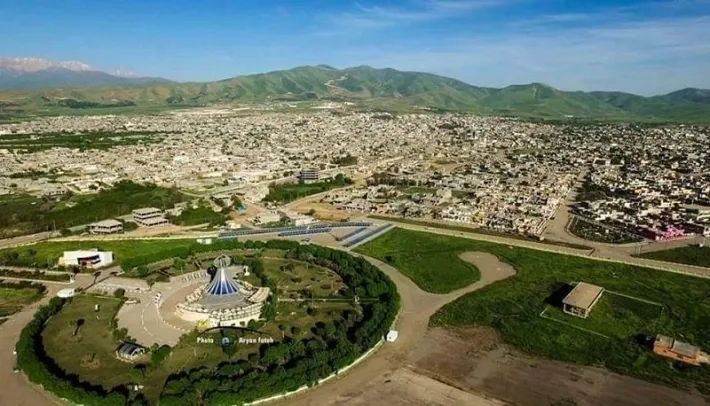
Nestled in the foothills of the Zagros Mountains, Halabja is
a city where natural beauty and historical tragedy converge. Fed by the Sirwan
River and blessed with one of Iraq’s highest levels of rainfall, ranging from
700 to 900 millimetres annually, Halabja sits 700 meters above sea level.
Its terrain is a mosaic of orchards, vineyards, and terraced
fields, lovingly cultivated by generations of farmers. The air carries the
fragrance of pomegranates, while the rich soil yields figs, grapes, and wheat.
Despite its painful history, the land remains bountiful. Locals refer to it as
Bawayanî, “blessed land”, a phrase that speaks not only to its
fertility but to the enduring spirit of those who call it home.
Agriculture is more than a livelihood in Halabja; it is
deeply tied to the city’s cultural identity. Yet this fertile land also holds
the memory of profound suffering. The symbolic pomegranate tree, a local emblem
of life, is also a sombre reminder of the chemical attacks that once turned
this vibrant city into a site of mass death.
Today, Halabja is home to about 140,000 people, the vast
majority of whom are Kurdish. While most residents speak the Sorani dialect,
many also preserve the Hawrami language, creating a linguistic and cultural
bridge to Iran’s neighboring Kermanshah province. As the city continues to
rebuild, it has become a powerful symbol of Kurdish identity and resilience.
“We grew up with poetry, pomegranates, and prayer,”
reflected Hemin Dler, a local teacher. “Our identity is not just spoken, it’s
woven into rugs, sung in lullabies, and sewn into the fields.”
For many, Halabja is both a sanctuary and solemn memorial, a
place where memory is sacred and history is never far from the surface.
Yet Halabja’s story cannot be understood through its
landscape alone.
The Wound of 1988
More than three decades after enduring one of the most
harrowing atrocities in modern history, Halabja has officially been recognized
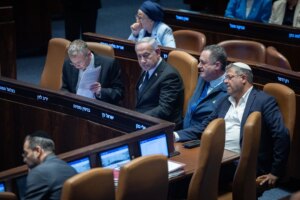
as Iraq’s 19th province. The Iraqi Parliament ratified the long-awaited
decision during a session attended by 178 lawmakers. Kurdish, Shiite, and Sunni
blocs all rallied behind the move, which appeared first on a six-point agenda,
an unmistakable signal of symbolic prioritization for a city that has come to
represent both Kurdish suffering and resilience.
Halabja’s name is indelibly tied to the chemical attack it
suffered on March 16, 1988. In less than five hours, Iraqi warplanes under
Saddam Hussein’s regime unleashed a lethal combination of mustard gas and nerve
agents across the city. The result was catastrophic: more than 3,200 people
died on the spot, and the death toll is believed to exceed 5,000. Most of the
victims were civilians, women, children, and the elderly.
“I saw people laughing hysterically, then falling dead,” one
survivor recalled. “The silence that followed was worse than the screams.”
The attack formed part of a broader military campaign aimed
at quelling Kurdish resistance during the final stages of the Iran–Iraq War.
Its aftermath remains visible today. Survivors continue to suffer from cancer,
chronic respiratory illnesses, birth defects, and profound psychological
trauma. Despite the scale of the crime, fewer than 15 individuals involved in
the massacre have ever faced prosecution. In 2010, the Iraqi High Criminal
Tribunal formally recognized the Halabja assault as an act of genocide.
“What do we have left, after all this time?” asked an
elderly survivor now living in a refugee camp. “Justice, or the memory of our
pain?”
The road to official recognition was long and politically
complex. Iraq’s Council of Ministers first backed the proposal in 2013. A year
later, the Kurdistan Regional Government (KRG) unilaterally declared Halabja a
province, and in 2018, the Ministry of Interior followed suit. Yet final
ratification in Parliament stalled for years due to persistent tensions between
Baghdad and Erbil.
For many Kurds, the vote represents far more than a
bureaucratic milestone. It marks a long-overdue recognition of Halabja’s
suffering and survival. Kurdish President Nechirvan Barzani welcomed the
outcome as “a source of pride and joy for all of us in Kurdistan,” while
Kurdish leader Masoud Barzani commended Parliament’s “constructive role” in
bringing closure to a decades-old demand.
Rebuilding From The Ashes
Since being declared a province by the KRG in 2014, Halabja
has begun rebuilding its institutions and infrastructure. While the city now
holds symbolic weight on the Kurdistan Region’s administrative map, the change
has not been accompanied by significant financial backing.
“We have the name of a province, but not the budget of one,”
remarked a local official, echoing a widespread sentiment.
Although infrastructure development is underway, the city’s
2023 budget allocation from the regional government stood at just 42 billion
Iraqi dinars (approximately $28 million), far short of its needs.
Still, visible progress has taken root. In recent years, new
government buildings, schools, clinics, and roads have been built. At the
city’s center stands the Halabja Peace Monument, a striking memorial to the
victims of the 1988 massacre. It draws over 100,000 visitors annually, serving
as both a site of remembrance and a platform for international engagement.
“Halabja is not just a place of mourning,” said Gulzar Azad,
director of the Peace Museum. “It is a place where the world learns about war,
resilience, and the power of memory.”
Despite the shadow of the past, daily life in Halabja
continues to revolve around the land.
Read more: Halabja: The full story of a city buried in chemicals within minute
Working the Land
Agriculture remains the cornerstone of Halabja’s economy,
employing more than 60% of its population. At its heart is the pomegranate, an
economic staple and cultural icon. The annual Halabja Pomegranate Festival,
launched in 2007, celebrates both the fruit and the city’s enduring legacy,
drawing visitors from across the region.
Yet the legacy of the chemical attack continues to affect
the land. A 2022 study revealed that over 70% of the soil in impacted areas
shows lingering signs of toxicity. Contaminated soil hampers agricultural
productivity and poses ongoing health risks.
“We need more than just seasonal aid. We need long-term
solutions for soil rehabilitation and water purification,” urged environmentalist
Qais Shukur, who has worked extensively on the ecological aftermath of the
attack.
High youth unemployment, currently estimated at 35%, poses
another major challenge. Limited access to technical training compounds the
issue. Still, some grassroots initiatives are beginning to offer new hope.
One such initiative is the Halabja Innovation Hub, launched
in 2022. Funded by the diaspora and international NGOs, the project supports
young entrepreneurs in agribusiness and technology through grants and
mentorship.
“We don’t have oil,” explained project leader Zhinan Kareem.
“But we have art, and hands that can work.”
Knowledge and Voice
In Halabja, education has emerged as both a form of recovery
and resistance. With a literacy rate exceeding 85%, well above the national
average, the city’s schools and universities are helping shape a new
generation.
Founded in 2011, Halabja University now enrolls over 6,000
students in disciplines ranging from engineering to humanities. It is more than
just an academic institution; it is a space for civic engagement and cultural
renewal.
“Education here is survival,” said Dr. Saman Kamaran, Dean
of the College of Education. “We are reclaiming our future with books and
voices.”
Digital media has also become a vital tool for Halabja’s
youth. With over 70% of young people online, platforms such as Zhên Media and
Halabja Post have created new spaces for activism, dialogue, and creative
expression.
In 2023, the Baxêk bo Hemû (“A Garden for All”) initiative
mobilized 400 young volunteers to plant more than 3,500 trees in neglected
parts of the city, transforming urban spaces and fostering a spirit of
community.
Cultural Remembrance
Halabja’s cultural life remains inextricably linked to its
history, yet the city refuses to be defined solely by tragedy. The Halabja
Peace Museum stands as both a memorial and a celebration of survival.
“Our history is a story of both pain and strength,”
explained tour guide Awara Jalal. “We don’t want people to pity us. We want
them to see how we live, not just how we suffered.”
Tourism is slowly becoming a key source of economic
diversification. Visitors are drawn to the city’s historic sites, mountain
trails, museums, and the Martyrs’ Cemetery. The growth of eco-tourism and
cultural tourism offers new possibilities for income and healing.
Each year on March 16, Halabja becomes a city of
remembrance. Streets are adorned with black banners, and schoolchildren recite
poetry to honor the victims. Yet the commemorations are also a reaffirmation of
life, a declaration that Halabja endures, shaped by sorrow, but defined by
strength.
Written and edited by Shafaq News staff