The law gives specific rights – here’s what you can and cannot do
13:24, 14 May 2026Updated 13:25, 14 May 2026
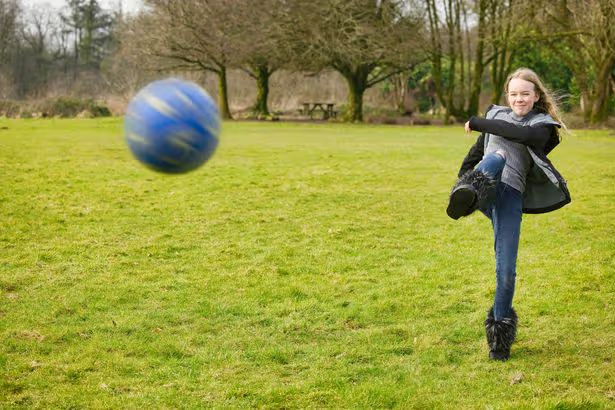
The incident might only be an accident, but how people react matters(Image: vandervelden via Getty Images)
With summer not far away, kids may spend more time playing outdoors in their gardens, which could potentially lead to the age-old issue of stray footballs landing in neighbours’ gardens. While innocent enough, this could prove irritating to some homeowners and potentially lead to legal issues.
What appears to be a straightforward neighbourly dispute could quickly turn into a serious legal problem if people act in a certain way. Property owners must understand their exact legal rights before potentially incriminating themselves over a ball.
Do I have to return the ball?
Some disgruntled neighbours may hold onto the ball, believing this will stop the problem from happening again, but this technically is considered theft. You don’t need to physically take the ball from a child’s hands to be deemed a thief under the eyes of the law.
According to the Theft Act (1968), people who intend to permanently deprive the owner of an item would be found guilty of this offence. For a first-time offender, the most likely consequence is a fine or discharge if matters proceed to court, reports the Express.
Some neighbours could become so annoyed by the issue that they react in rage. If they go so far as to burst or deflate the ball, the matter goes beyond theft and into criminal damage charges.
Mistakes happen – but it can leave some neighbours frustrated(Image: Getty)
Aside from having to purchase a replacement ball, they could also face court-imposed penalties if legal action is pursued. The most significant punishment often isn’t the fine or the need to buy a new toy for your child – it’s the chance of getting a criminal record for life.
A theft conviction (even involving a cheap football) may appear on Disclosure and Barring Service (DBS) checks for years. This could impact your employment, travel visas, and insurance premiums when having to declare it.
What happens if my neighbours get the ball back themselves?
This is where the football owner could risk any legal protection they have. Neighbours have no legal entitlement to access your garden to get a ball back without your consent. If they do so, they’re committing trespass.
To maintain harmony while staying within the law, you should let the neighbour know they’re welcome to knock and ask for their return, rather than allowing them to scale the fence or find an unlocked gate. Alternatively, tossing the ball back is usually the most straightforward option – though you’re under no legal obligation to do this straight away after the ball lands on your property.
Someone needs to cover the cost of the damage if a ball breaks something in a neighbour’s garden(Image: the_guitar_mann via Getty Images)
What happens if the ball causes damage?
Should a ball smash a window, damage fencing, or crush your prize-winning hydrangeas, the responsible party (or their parents, in the case of children) bears liability for covering repair or replacement costs. Keep a detailed record of dates, times, and any particular damage incurred.
Take pictures as proof (most smartphones automatically timestamp images to verify when and where they were captured) should you ever need to pursue compensation through small claims court. This includes the ball’s location before moving it, proving it was involved in the incident.
In the eyes of the law, if you refuse to return the ball until they pay, you are technically appropriating their property, which could be seen as blackmail. It is a risky move that could actually put you in more trouble than the person who kicked the ball.
I think my neighbours are doing this deliberately. What are my options?
If footballs are being intentionally kicked into your garden to cause annoyance or intimidation, this goes from a civil property disagreement to a possible criminal issue under the Protection from Harassment Act (1997). If it carries on and causes you distress, you can contact your local council’s anti-social behaviour (ASB) team or the police (using the non-emergency 101 number).