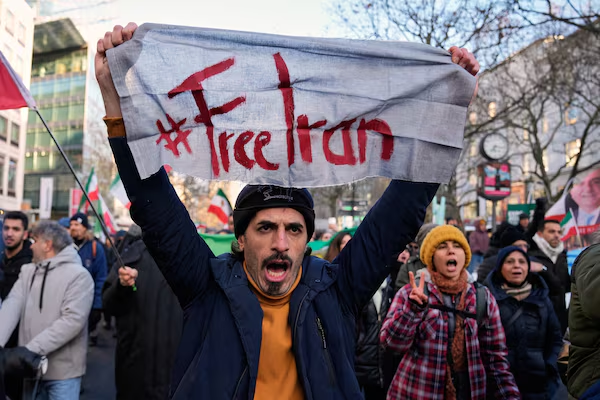
The past 12 hours in and about Iran have been dominated by escalating geopolitical tensions between Tehran and Washington, amid ongoing domestic unrest from widespread anti-government protests. Iran temporarily closed its airspace for nearly five hours early on January 15, 2026, forcing airlines to reroute or cancel flights over concerns of potential military action involving the US. The closure ended, with flights resuming toward Tehran, but it highlighted fears of imminent strikes.
US President Donald Trump stated he had been informed that killings and scheduled executions of protesters in Iran had stopped, claiming on good authority that “the killing has stopped,” while still weighing possible military intervention and monitoring the situation closely.
Reports indicate the Iranian regime’s crackdown on protests continues under a prolonged internet blackout (now in its seventh day), with activists and rights groups estimating over 2,400 to as many as 12,000 or more deaths since the unrest intensified. One high-profile case involved protester Erfan Soltani, whose reported death sentence was denied or postponed by Iranian judiciary statements, amid broader warnings of swift trials and potential executions. Protests appear to have eased in intensity in some areas due to heavy security presence described as a “de facto curfew,” though sporadic demonstrations persist. Iran has warned of retaliation against US bases in the region (including in Iraq and Syria) if attacked, while US and allied personnel have been partially withdrawn or advised to leave certain Middle East bases like Al Udeid in Qatar.
Diplomatic and military signaling remains intense, with Trump questioning the domestic support for opposition figure Reza Pahlavi (son of the last Shah) as a potential leader if the current system collapses, and expressing reluctance to fully back him. Iran denies plans for mass hangings and attributes much of the unrest to external “Zionist-American” interference. Commercial shipping has notably anchored outside Iranian ports amid rising tensions, and airlines continue cautious operations in the region
.Overall, the situation reflects a fragile de-escalation in rhetoric from Trump after earlier threats, contrasted with Tehran’s defensive posture and claims of restored control. However, the communications blackout, high reported death toll, and mutual threats of retaliation keep the risk of broader conflict elevated, with international observers urging restraint to avoid wider regional escalation.