2026-02-10T08:16:17+00:00
font
Enable Reading Mode
A-
A
A+
Shafaq News- Iraq
Provinces of Iraq’s southern and Middle
Euphrates region, particularly Basra, Dhi Qar, Karbala, and Babil, are facing
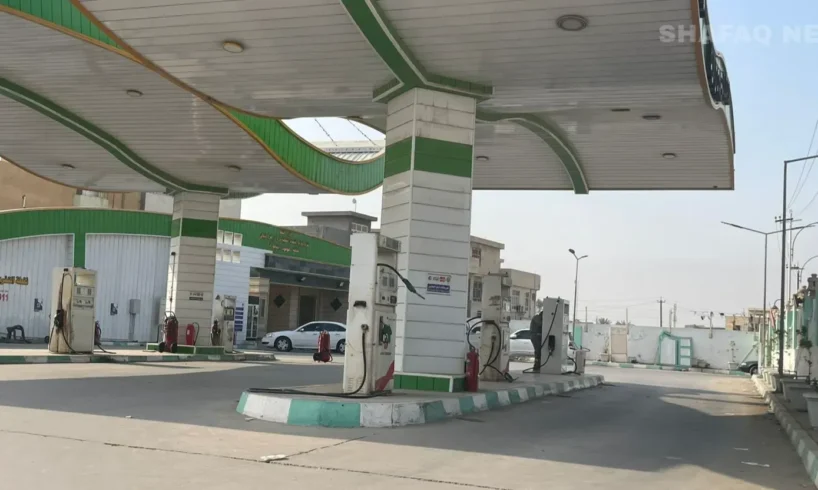
fuel supply disruptions that have led to long queues at petrol stations,
despite official assurances that gasoline production and reserves remain
sufficient.
Although Iraq is a major oil producer,
fuel shortages in provinces are driven by refining and distribution constraints
rather than a lack of crude oil.
Gas stations have experienced heavy
congestion over the past several days, with drivers reporting waiting for
hours, often receiving limited quantities that are insufficient for a full
day’s work, forcing some to switch to higher-octane gasoline despite higher
costs.
Abu Ali, a taxi driver from Hilla, the
capital of Babil province located about 85 kilometers south of Baghdad,
described growing daily hardship as fuel access becomes more difficult. “The
gasoline crisis is tightening the noose around us day after day,” he told
Shafaq News, explaining that he leaves home before dawn to find an open
station, only to encounter long queues stretching into main roads. “After hours
of waiting, I am given just 20 liters, which is not enough to work the whole
day.”
He added that the lost working hours have
directly affected his income and family life, and he is sometimes unable to
take his children to school because his car runs out of fuel.
In Karbala, about 105 kilometers south of
Baghdad, another driver, Mohammed, told our agency, “Our cars are our only
source of income. Without fuel, work stops. This is not limited to Karbala;
many provinces are affected, and the situation needs urgent attention.”
Mohammed al-Masoudi, a member of the
Karbala Provincial Council, said local production remains sufficient but has
been partially affected by technical issues at refineries outside the province
following a halt in gasoline imports. He noted that Karbala refinery itself is
operating normally, and that the technical issues at other refineries are
expected to be resolved within two days.
Oil Ministry spokesperson Abdul Ghani
al-Hassnawi attributed recent pressure to increased demand due to holidays and
higher vehicle movement; however, “the situation is under control,” and
strategic reserves are sufficient to meet demand, as daily production stands at
30 million liters and strategic reserves remain secure.
Al-Hassnawi also urged the public and
media to avoid spreading rumors, warning that talk of shortages can fuel panic
and artificial demand.
In Dhi Qar province, Mohammad Khalil, a
member of the local fuel station association, blamed the shortages on financial
constraints preventing the Ministry of Oil from purchasing gasoline from
abroad.
He explained that the province’s daily
allocation previously reached 1.7 million liters but has since dropped
significantly, adding that reduced supplies from Karbala and Basra refineries
have worsened the local situation. “Restoring previous allocation levels would
help return conditions to normal.”
Basra province, which hosts Iraq’s largest
oil fields and export terminals and produces a major share of the country’s
crude oil, has also faced recent fuel distribution pressures, but has shown
initial signs of relief. The Basra Provincial Council announced that
availability has started to improve following delays in imported gasoline
shipments and reduced output from the Baiji refinery due to lower crude oil
supplies.
Council member Hassan Shaddad al-Fares
said production at southern refineries is expected to rise early next week to
9.5 million liters per day, including 8.5 million liters of regular gasoline
and one million liters of improved gasoline, pointing out that the Shuaiba
refinery is currently operating three units alongside an isomerization unit,
while the FCC refinery includes a unit dedicated to improving gasoline quality.
Al-Fares added that Basra previously
relied on the Karbala refinery to cover shortages of improved gasoline. Still,
increased output from southern refineries is expected to move the province
toward self-sufficiency without imports.
Iman al-Maliki, head of the Oil and Gas
Committee in the Basra Provincial Council, pointed out that the FCC project has
not yet reached the stage of producing improved gasoline, citing official
reports from the Ministry of Oil. “Logistical factors, including rising
transport costs, have also affected fuel deliveries, limiting the local
market’s ability to absorb growing demand.”