We live in a world of cancel culture, you mess up and that’s it. Society writes you off and you might as well disappear into oblivion because it has been decided that there is no way for you to come back from your crime.
This is definitely not a Jewish concept. While we are certainly clear on what is right and wrong, the cool thing about our religion is that God gave us laws knowing full well that we would break them. However when we mess up we don’t suddenly drop dead or get “voted off the island”.
He created a system whereby we can repent, and furthermore be forgiven. How awesome is that?
I have young children and I’m always on the hunt for great parenting advice and one of the best things that has stood out for me is the concept of repair. The idea is that as human beings we are going to mess up, even though we are the parents and are older and wiser than our children. The goal isn’t to be perfect but to repair when you mess up. To acknowledge that you made a mistake and promise to try and do better in the future. This is so powerful. From personal experience I can remember clearly each year on Erev Yom Kippur when my dad would call me into his study and sincerely apologise for any hurt he had caused me during the year and ask for my forgiveness. It was a shockingly raw and vulnerable space for both of us and I would often cry in this moment. It was a total breakdown of hierarchy between parent and child. A leveling of the playing field and this created a true chance for connection. This is the power of a sincere apology.
Someone who has put a lot of thought into what makes a sincere apology is a wonderful therapist called Dr Gary Chapman. You’ve probably heard of his best selling book, The Five Love Languages. The concept has become part of our zeitgeist and often comes up as conversation at a dinner table or certainly on a first date. It’s the idea that humans have individual ways of perceiving and expressing love. It’s a fascinating concept and a real game changer.
His follow up book is called The Five Languages of Apology. While not as well known as his first book, the concept jumped out at me while reading this week’s parsha, Vayikra. The parsha reads like an ancient version of Dr Chapman’s book. It goes into great detail about how to atone for all the different sins and while not all are exactly the same there is a striking overlap with the different kinds of sacrifices and they are laid out in a step by step list.
For interest sake here are the Five Modern Languages of Apology:
Expressing Regret – saying “I’m sorry.”
Accepting Responsibility – “I was wrong.”
Making Restitution – “How can I make this right?” Making a physical effort to make up for what you did, either by way of gifts, or requesting a do-over for a moment you may have messed up.
Repentance – “I’ll try not to do that again”. Taking active steps to change your behaviour and prevent you from making the same mistakes in the future.
Requesting Forgiveness – “Can you find it in your heart to forgive me?”
Now not all love languages speak to everyone and similarly not all apology languages speak to all people.
Some people are totally appeased with a simple “I’m sorry” and sometimes you need to go through the whole process. Just picture yourself as an ancient Israelite performing a detailed burnt offering, covering all your bases.
We don’t have a temple anymore and we don’t offer sacrifices to God in the same way that we used to but what we do have is relationships with other people and every person has a spark of the divine in them. So when we make amends with our loved ones we elevate our connections with them, hopefully becoming better people and moving closer to God.
The Hebrew word for sacrifice is korban. Korban derives from the root karov meaning ”to draw close” or ”to come near”.
When we sin, we stray – we move away from G-d.
A sacrifice was a way to bring us back and repair the relationship.
A relationship (especially a familial one) is forever, just like when you are born to a woman she will always be your mother, when you are born a Jew there is nothing you can do to take away your Jewish status. It is this bond that makes it easier for our loved ones to forgive us, the same way God was willing to forgive us and gave us the opportunity to repent.
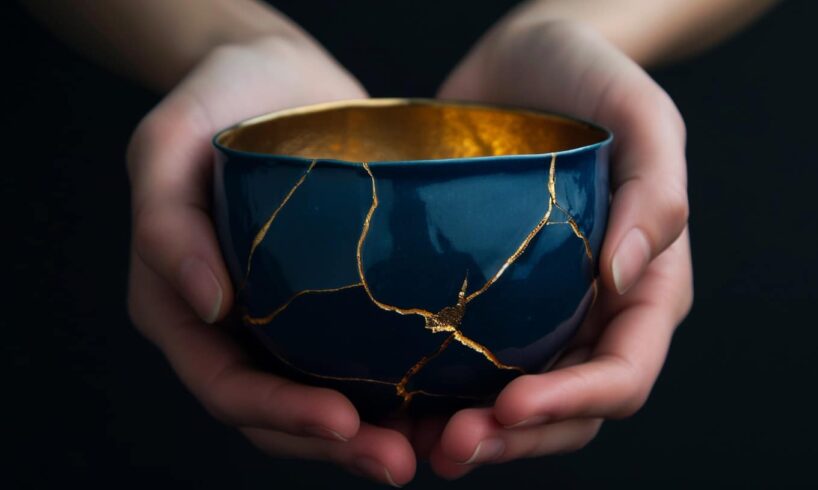
I started off talking about cancel culture but I want to end off with a beautiful traditional Japanese concept called Kintsugi. This is a technique whereby broken ceramics are repaired using a glue that has powdered gold mixed in with it. The result is beautiful golden cracks showing exactly where the vessel was broken but reinforcing that it is now repaired. Let’s try and remember that we are only human and cracks within our relationships are not only inevitable but a beautiful opportunity to make amends and hopefully create even more connection.