2026-03-19T08:02:43+00:00
font
Enable Reading Mode
A-
A
A+
Shafaq News
Iraq’s aviation sector has lost nearly $43 million since
authorities shut the country’s airspace following the outbreak of the
US-Israeli war on Iran on February 28, according to officials and expert
estimates, highlighting the cost of disruptions to one of the region’s key
transit corridors.
How Iraq Makes Money From Its Airspace
Iraq earns significant revenue from aircraft crossing its skies,
charging between $375 and $700 per flight depending on aircraft type, with an
average fee of about $450, according to a government source.
Before the conflict, between 600 and 700 aircraft used Iraqi
airspace daily, making it one of the shortest and most efficient routes linking
Asia and Europe. These overflight fees contribute to the state treasury and
help fund radar systems, navigation infrastructure, and salaries for air
traffic controllers.
What The Closure Disrupted
The shutdown halted all civilian air traffic, including overflights
and operations at Iraqi airports, effectively grounding the country’s aviation
sector.
Transport Ministry spokesperson Maytham Al-Safi told Shafaq News
the move was driven by ongoing military developments across the region, which
disrupted air navigation and cut revenues from key transport activities.
The suspension affected both aircraft transiting Iraqi airspace and
flights departing from or arriving at local airports, while forcing Iraqi
Airways to stop operations. Some sectors, including land transport and
meteorological services, have continued to function.
Breaking Down The Losses
Estimates show that losses over 19 days of closure reached about
$42.98 million.
This includes around $5.14 million in lost overflight fees, $6.55
million in losses by Iraqi Airways, and roughly $17.32 million in airport and
ground service revenues. Additional operational costs linked to rerouting and
disruption are estimated at nearly $13.97 million.
Based on minimum estimates, Iraq is losing about $270,000 per day
from overflight revenues alone, equivalent to roughly $8.1 million per month.
Wider Economic Impact
Aviation expert Fares Al-Jourani said the crisis affects three main
areas: sovereign revenues from overflight fees, airport operations, and the
national carrier.
He estimated Iraq has lost fees from more than 13,000 overflights
during the 19-day period, while the country’s six airports —which previously
handled about 200 daily flights— have seen revenues decline sharply.
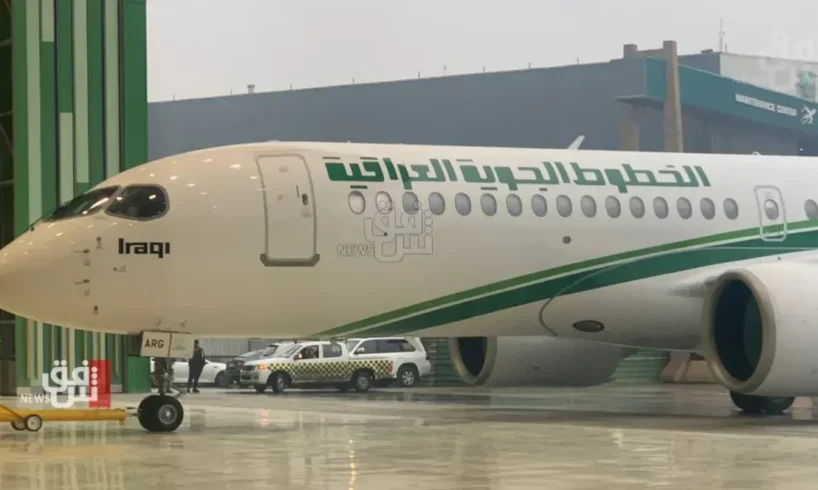
Iraqi Airways is also recording daily ticket revenue losses of
around 500 million Iraqi dinars, totaling roughly 9.5 billion dinars over the
same period.
“Prolonged closure would increase financial pressure on the
airline, which continues to cover salaries, maintenance, and insurance costs
that have risen after the region was classified as high risk,” Al-Jourani said.
Economist Karim Al-Hilu noted that Iraq had become a preferred air
corridor for international airlines in recent years, particularly after many
carriers avoided Iranian airspace following the 2020 downing of a Ukrainian
passenger plane near Tehran.
What Lies Ahead
Experts say recovery is unlikely to be immediate even after
hostilities subside. Restoring airline confidence and resuming normal transit
traffic could take between three and six months, particularly after Iraqi
airspace has been exposed to military activity.
The longer the closure continues, the greater the risk that
airlines will shift to alternative routes, potentially weakening Iraq’s
position as a key transit hub between Asia and Europe.
Written and edited by Shafaq News staff.