This is the latest setback to a project already hampered by concerns over ground contamination and rising costs.
In a letter to the council, SEPA identified several gaps in the assessment submitted by the consultants Kaya in February, leaving the regulator unable to verify that the proposal is compliant with flood policies.
Among the concerns, SEPA indicated that it was unclear whether the flood risk originates from surface water, river flooding, or both. There was a reported lack of data on rainfall patterns and drainage capacity, and SEPA requested new hydraulic modelling to understand how water will flow and accumulate during periods of heavy rain.
Read more
SEPA also highlighted that flood risks increase over time, especially when climate change is factored in, and that the current assessment does not adequately address this.
A holding objection is a means of asking the council to provide the missing information, although SEPA stated that if the council does not request the missing information, then it should treat SEPA’s letter as a full objection to the project plan.
When asked if the council intended to request the additional information and whether there were concerns over the Whitegates site, Ann Davie, Chief Executive of East Dunbartonshire Council, said the application is still “under active consideration”
“As is standard procedure, the Planning Service will consider all consultee responses as part of the assessment process of the application and will work with the applicant and consultees to address any concerns raised.”
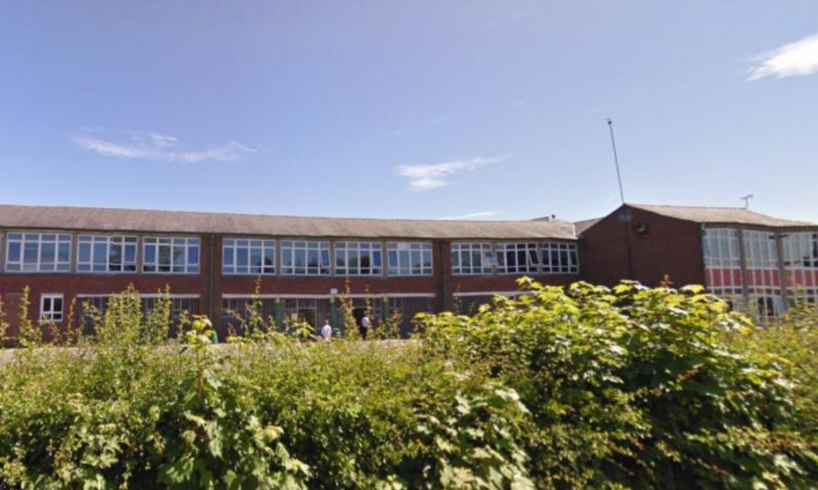
The holding objection is the latest complication related to the Whitegates Park site since East Dunbartonshire Council selected it as the location for the new Lenzie Academy in 2022.
Documents from a 2018 feasibility study, originally carried out when the council was considering building an additional support needs school, identified the site as “not feasible” for construction. The study identified likely ground contamination and concerns related to peat, a high water table, ground gas, and toxic contamination.
In response to multiple objections from the community, the council has previously stated that there are “contaminants present beneath the ground, but the site is not classified as contaminated land.”
The council’s most recent report on the project, however, outlines the need for “excess materials” to be removed from the site, which, “due to their classification as hazardous waste”, will cost approximately £4.8 million.
A council spokesperson previously stated that there would be no reason to address the contamination if the site were not being used for construction.
“The site is perfectly safe for its current use and had the new school project not required a reprofiling of the site topography there would be no requirement to remove any materials from site.”
The potential for contamination has not been the only issue facing the project, particularly regarding cost. The new Lenzie Academy is one of dozens of school projects being delivered by the Scottish Government and Scottish Futures Trust’s Learning Estate Investment Programme (LEIP). Through a combination of government and council funding, LEIP uses matching grants to help councils deliver school projects.
When the project was first approved in 2023, the new Lenzie Academy was set to cost £85 million. According to a December 2025 report, that estimate had risen to approximately £138 million.
According to the council papers, East Dunbartonshire stands to receive up to £52.8 million over the 25-year life of the LEIP agreement, provided that the new school meets stated efficiency and quality targets.
The report does not provide a detailed explanation for the rise in costs.