2026-05-12T21:28:30+00:00
font
Enable Reading Mode
A-
A
A+
Shafaq News- Riyadh
Saudi Arabia carried out
previously undisclosed airstrikes inside Iran earlier this year in retaliation
for attacks targeting the kingdom during the regional war, Reuters reported on
Tuesday, citing two Western officials and two Iranian officials familiar with
the matter.
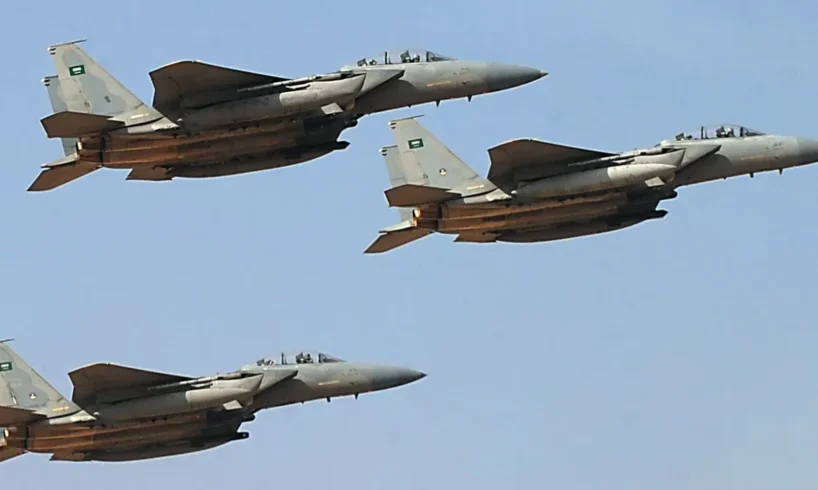
The Saudi Air Force conducted
the strikes in late March, marking the first publicly known direct Saudi
military action on Iranian territory, according to the report. One Western
official described the operation as “tit-for-tat strikes” launched after Saudi
Arabia came under attack during the conflict.
The reported strikes came amid
widening regional fallout following US and Israeli attacks on Iran on February
28. Tehran later launched missiles and drones targeting US assets and bases
across all six Gulf Cooperation Council states while closing the Strait of
Hormuz.
Read more: Long war with Iran: Repetition of history but with less preparation
Despite the military
exchanges, Riyadh reportedly maintained diplomatic communication with Tehran
throughout the conflict in an effort to prevent broader escalation. Reuters
indicated that Saudi Arabia informed Iran of the retaliatory strikes through
diplomatic channels, followed by intensive contacts and warnings of further
action, eventually leading to an informal understanding aimed at reducing
tensions.
One Iranian official quoted by
Reuters confirmed that Tehran and Riyadh agreed to “cease hostilities,
safeguard mutual interests, and prevent escalation.”
Ali Vaez, director of the Iran
Project at the International Crisis Group, characterized the pattern of
retaliation followed by de-escalation as a “pragmatic recognition” by both
countries that uncontrolled escalation carried unacceptable risks.
The informal understanding
reportedly took effect shortly before Washington and Tehran agreed to a broader
ceasefire on April 7.
Saudi Arabia had increasingly
warned of possible military responses in the weeks preceding the strikes, the
agency noted. On March 19, Saudi Foreign Minister Faisal bin Farhan Al Saud
declared that Riyadh reserved the right to take military action if necessary.
Three days later, Saudi authorities expelled Iran’s military attaché along with
four Iranian embassy staff members.
Data cited by Reuters from the
Saudi Defense Ministry showed that attacks targeting the kingdom declined
sharply after the end of March, dropping from more than 105 missile and drone
strikes in one week to around 25 during the first week of April.
It also reported that
projectiles launched at Saudi Arabia shortly before the broader ceasefire were
believed by Western sources to have originated from Iraqi territory rather than
directly from Iran, suggesting Tehran had reduced direct attacks while allied
armed groups continued operations.
Saudi Arabia later summoned
Iraq’s ambassador on April 12 to protest attacks launched from Iraqi territory.
Read more: Iraqi factions’ cross-border attacks draw warnings and Arab pressure
Reuters added that tensions
briefly escalated again on April 7 and 8 after Saudi authorities reported
dozens of drones and missiles targeting the kingdom, prompting Riyadh to
consider retaliatory measures against Iran and Iraq before diplomatic efforts resumed.
Neither Saudi authorities nor
Iran’s Foreign Ministry directly confirmed the reported operations, although a
senior Saudi Foreign Ministry official reaffirmed Riyadh’s commitment to
de-escalation and regional stability.