Shafaq News
Flowing along the Tigris River, Wasit is
more than a province on a map; it reflects Iraq’s layered history, resilient
communities, and enduring culture.
Located in eastern Iraq, bordering
Baghdad, Diyala, Maysan, and Basra, Wasit occupies a strategic crossroads of
rivers, plains, and trade routes. Its landscapes bear the imprint of
generations who have farmed, traded, and lived along the Tigris, creating a
province where past and present coexist seamlessly.
Rivers Shape Life
Spanning 17,153 km², Wasit ranks among
Iraq’s mid-sized provinces. Summers are intensely hot, with temperatures
regularly exceeding 40°C, while annual rainfall remains scarce, averaging 20.6
mm, mostly in winter. These climatic conditions make water management vital for
sustaining life and agriculture.
Farmers rely on a combination of
traditional and modern irrigation systems to cultivate crops, yet face
persistent challenges, including soil salinity, desertification, and flood
risks.
To protect their livelihoods, many have
adopted sustainable farming practices that blend centuries-old knowledge with
modern techniques. This interplay between nature and human ingenuity shapes
daily life across Wasit.
A Living History
Settlements along the Tigris date back
millennia, with the province gaining prominence during the Islamic empires,
which established mosques, schools, and thriving neighborhoods.
Under Ottoman rule, Wasit experienced
administrative and economic transformations. The 20th century brought both
conflict and reconstruction, particularly during the Iraq-Iran war and
post-2003 developments.
Walking through Kut, the provincial
capital, or venturing into smaller towns, the layers of history remain visible.
Centuries-old mosques, historic neighborhoods, and streets that have witnessed
trade and war stand as silent witnesses to generations of resilience. They are
not tourist attractions, they are living monuments to Wasit’s communities.
People and Faith
The province is home to roughly 1.45
million people, predominantly Shia Arabs, alongside minority communities such
as the Feyli Kurds in eastern towns like Badra. Tribal affiliations continue to
shape social and political life. The Rab’ih tribe and the Zubayd confederation
—including sub-tribes such as ‘Azza, Dulaym, Jubour, Shawi, and ‘Ubayd— have
historically influenced the province and remain active in community affairs.
Shia Islam dominates religious life, with
mosques and shrines serving as spiritual centers and hubs of social cohesion.
Religious festivals, particularly Ashura and Arbaeen commemorations, draw
thousands annually, reinforcing community bonds and preserving continuity
across generations.
Urban Life
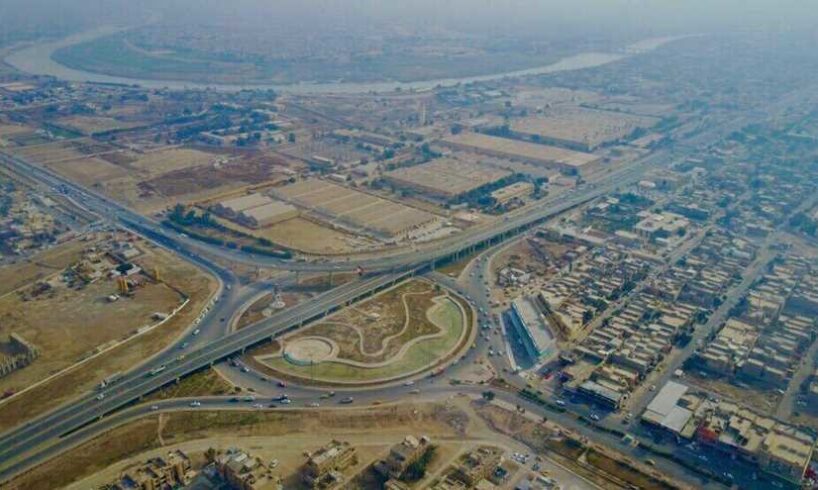
Kut functions as Wasit’s administrative
and economic hub. Its streets combine markets, residential areas, and
government offices, while bridges and roads link the provincial capital to
surrounding towns, facilitating trade, access to services, and cultural
exchange.
Education has become central to provincial
development. Wasit University, enrolling over 12,000 students, offers programs
across science, arts, and humanities, aiming to elevate educational standards.
Despite this, challenges persist. In 2024, the Ministry of Education reported
that illiteracy remains a concern, particularly in rural areas where up to 18%
of adults have limited reading and writing skills.
Local initiatives and NGO programs seek to
close these gaps through literacy campaigns and vocational training.
Farming Drives Markets
Agriculture forms the backbone of Wasit’s
economy, employing over 35% of the population. Fertile plains nourished by the
Tigris support crops such as wheat, barley, rice, and date palms.
Yet productivity is affected by water
scarcity, soil salinity, and occasional flooding, which can reduce yields by up
to 25% in some years. The Directorate of Agriculture has introduced modern
irrigation systems and sprinklers to enhance efficiency and output.
Complementing agriculture, local manufacturing —including brick production,
textiles, and food processing— provides jobs and sustains livelihoods.
Tradition Lives On
Cultural life in Wasit remains vibrant,
blending tradition and innovation. Traditional music, dance, and crafts are
preserved alongside new artistic initiatives, while local workshops and
cultural centers nurture creativity among youth.
Handicrafts such as weaving and pottery
continue to serve as both economic resources and expressions of the province’s
rich heritage. Community gatherings, religious festivals, and social ceremonies
remain central to daily life, strengthening family and tribal networks,
fostering social cohesion, and passing cultural values to younger generations.
At the same time, Wasit faces challenges.
Environmental pressures, including water scarcity and soil degradation,
intersect with social issues such as unemployment and youth migration. Access
to education and healthcare is uneven, particularly in rural areas,
highlighting persistent disparities.
Opportunities are emerging alongside these
challenges. Government-led infrastructure projects, social programs, and
efforts to modernize agriculture aim to improve living conditions and support
the local economy.
Written and edited by Shafaq News staff.