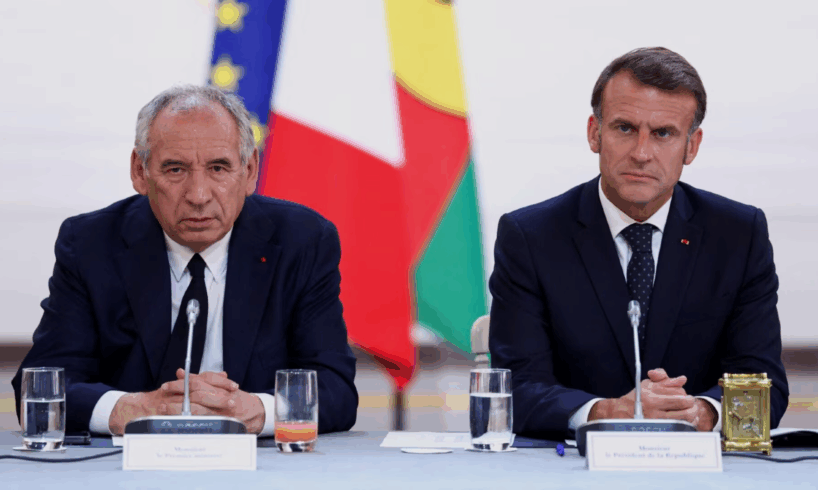
On September 8, 2025, French Prime Minister François Bayrou's government collapsed following a parliamentary confidence vote, marking the end of his nine-month tenure. The vote concluded with 364 members in favor and 194 against, signaling a significant shift in France's political landscape.
Bayrou, a centrist politician and close ally of President Emmanuel Macron, had introduced a controversial €44 billion deficit-reduction plan. This plan proposed tax hikes and spending cuts, including the elimination of two national holidays, aiming to address France's escalating public debt, which had reached 114% of GDP by mid-2025.
The proposed austerity measures faced strong opposition from various political factions. Critics argued that the budget disproportionately impacted workers and pensioners while sparing the wealthy. This widespread dissent culminated in the no-confidence vote, leading to Bayrou's resignation.
The political upheaval has intensified concerns about France's economic stability. The country now faces the challenge of appointing a new prime minister capable of navigating a deeply divided parliament to pass the 2026 budget before the year's end. Financial markets have responded cautiously, with the euro dipping slightly and French bonds and stock futures remaining positive.
This development underscores the ongoing political crisis in France, which began with the 2024 snap legislative elections that resulted in a fragmented parliament. The current instability raises questions about the government's ability to implement effective fiscal policies and manage the nation's substantial debt.