Shafaq News
Late afternoon sunlight softens over Baghdad, and the city
begins to shift into a different rhythm. The usual rush eases into quiet
anticipation: shopkeepers wipe counters, children drift home from the streets,
and the warm scent of fresh bread and pastries floats from neighborhood
bakeries. Drivers glance repeatedly at dashboards and phone screens, measuring
the minutes until sunset, while vendors hurry through final sales before
shutters close. These moments before the call to prayer carry a familiar tension
—a pause shared by millions— signaling not only the end of a fasting day but
the return of a season that reshapes daily life.
Ramadan, the ninth month of the Islamic lunar calendar,
commemorates the first revelations of the Quran and centers on fasting from
dawn to sunset. Yet in Iraq, it also carries layers of historical memory.
Communities have preserved its rituals through decades of conflict and economic
upheaval, turning the month into a symbol of continuity and resilience. Mosques
expand their activity, charitable networks intensify, and neighborhoods
rediscover patterns of cooperation that often fade during the rest of the year.
The Shared Salt
At sunset, homes across Baghdad and cities throughout Iraq
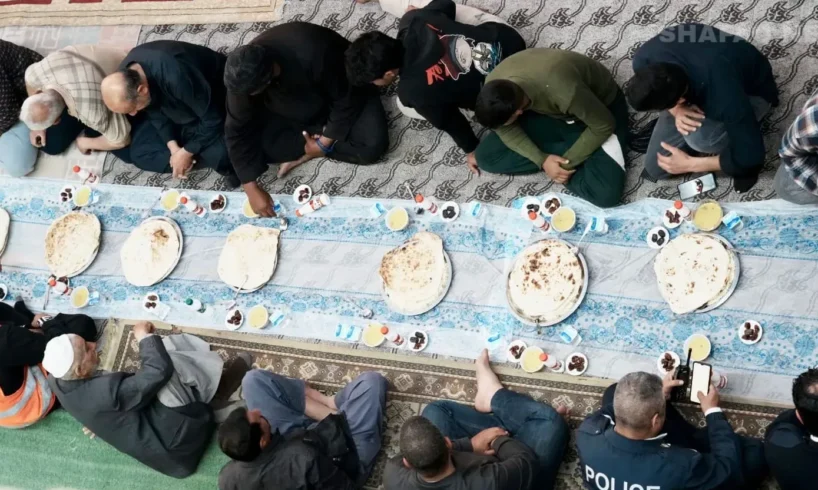
become centers of reunion. The Iftar table, laden with dates, yogurt drinks,
and savory dishes, becomes the stage on which family traditions unfold daily.
Lentil soup, a staple for generations, is often the first to be served. Its
warmth and simplicity prepare the body for the meal ahead, while herbs, spices,
and sometimes pieces of chicken enhance its flavor.
Sanaa Al-Obaidi, a housewife from Baghdad Al-Jadida,
observes that soup is as much about heritage as it is about health. “It is
light and helps stimulate the stomach after long hours of fasting.” Across the
city, restaurant owners like Karim Jabbar arrange tables for patrons, opening
shortly before sunset to serve familiar dishes enriched with the aroma of
spices and the comfort of tradition.
Main dishes rotate daily: Dolma stuffed with rice and meat,
fragrant Biryani, and Tashreeb —a hearty broth-soaked bread with chicken or
meat— each carries a unique flavor and story. “Sometimes Dolma is the
centerpiece, other days Biryani,” notes Umm Murtadha. “But soup, dates, and
yogurt are always present.” Families often dedicate one day a week to fish,
continuing culinary rhythms preserved across generations.
Sweets complete the table and often extend the celebration
beyond the home. While many families prepare traditional desserts themselves,
others head to confectionery shops where Ramadan transforms storefronts into
displays of golden color and syrupy shine. In Baghdad’s markets, trays of Datli
are stacked high, strands of crispy Zalabiya glisten with sugar syrup, and
cream-filled Znoud Al-Sit sit beside them, alongside Knafeh and Baklava.
Inside one production facility visited by Shafaq News, the
scene unfolds like a beehive in motion. Workers move rapidly between ovens and
preparation tables —trays going in as others emerge steaming hot— before pastries
are dipped into syrup and arranged carefully into boxes for sale. The air is
thick with sweetness, heat, and urgency, reflecting the surge in demand that
accompanies the holy month.
Shop owners describe Ramadan as their busiest season, with
preparations beginning days in advance by increasing production and securing
additional ingredients. Ali Al-Sahili, a vendor from Baghdad, points to Datli
and Zalabiya as the most popular choices due to their affordability and
familiarity, while Znoud Al-Sit attracts those seeking richer cream-filled
desserts soaked in syrup.
Customers, meanwhile, consider buying sweets inseparable
from the Ramadan experience. Many describe it as an annual ritual that brings
joy to households, particularly during evening gatherings and when hosting
guests. In these moments, desserts become more than food; they are symbols of
generosity, hospitality, and celebration, reinforcing the emotional warmth of
the season. Shammam Abdulkhaliq from Al-Mishtal observes that gatherings around
dessert trays often transform into extended conversations filled with laughter,
turning the table into a canvas of memories.
Fences Turned Bridges
Ramadan in Iraq extends beyond family walls. In Baghdad’s
neighborhoods, exchanging dishes with neighbors remains a living tradition. Umm
Adel, a seamstress from Sadr City, describes the ritual: “Women prepare meals
carefully, decorate them, and send a family member to deliver the dish. It is
socially unacceptable to return a dish empty. Minutes later, it comes back
filled with something else.”
In the alleys of eastern Baghdad or near Palestine Street,
Abu Yasser observes that neighborly bonds reach their height during the holy
month. Families exchange natural drinks and homemade sweets, often continuing
into evening visits after Iftar. Social media has added new layers: decorative
presentations, innovative serving dishes, and friendly competition among
homemakers seeking the most attractive table.
Speaking to Shafaq News, teacher Umm Sana organizes variety
through coordination. She and four neighbors agreed before Ramadan to divide
dishes among themselves daily, each preparing one item to share so everyone
enjoys diversity without duplicating effort. Meanwhile, decorative “Ramadan
corners” inspired by online trends and shopping centers add a modern touch to
this age-old ritual.
Read more: Ramadan starts in Iraq: Families revive traditions and authorities monitor prices
Hand to Heart
Ramadan is more than fasting; it is a rhythm of solidarity
stretching across neighborhoods and generations. Traditionally, wealthier
residents would cover living expenses for laborers unable to fast while
working, a practice preserved for decades. Sheikh Abdulrahman Al-Azirjawi, an
imam in Baghdad, explains that hunger experienced during fasting allows the
wealthy to feel the suffering of the poor, opening doors to mercy and
compassion.
Today, generosity takes many forms. Some distribute food
baskets; others sponsor Iftar meals for struggling families or provide
financial support. Kazem Al-Moussawi illustrates a rotating system among
affluent neighbors: each morning, households discover that their evening meal
will arrive at sunset, reinforcing that clerics play a crucial role in
encouraging acts that strengthen social bonds and spiritual reward.
After Iftar, Iraq awakens to a different rhythm. Mosques
resonate with Quranic recitations, streets glow with soft lighting, and
families linger over tea or stroll through decorated neighborhoods. The night
becomes a canvas where faith, family, and community intersect, linking
generations through shared experience.
Farther north, in the Kurdistan Region and especially in
Erbil, another tradition thrives in the old cafes. Here, the game of “Siniya”
—a tray of inverted copper cups hiding a dice— gathers young and old around a
shared ritual. Speaking to Shafaq News, Mohammed Ibrahim observes that the game
preserves identity and heritage, bringing together people from different
backgrounds who momentarily forget daily worries.
As the city settles into the calm of late night, families
prepare for Suhoor, the pre-dawn meal that sustains them through the hours of
fasting ahead. Across Iraq, homes stir quietly. In some neighborhoods, the
familiar beat of the ‘’musaharati,’’ the traditional drummer, still rises
through the streets, calling residents to wake. Families gather around tea,
bread, and cheese, savoring the final hours of togetherness before another day
of fasting begins.
A Nation Rebound
Ramadan in Iraq is an enduring story, one that persists
despite decades of social and economic change. Its essence remains a shared
rhythm of fasting, feasting, prayer, and generosity. From Baghdad’s alleys to
Erbil’s cafes, from family tables to neighborhood exchanges, the month renews
connections, strengthens empathy, and celebrates continuity.
Even amid hardship, the crescent moon that marks the month
inspires a collective pause. Iraqis navigate urban bustle and modern
distractions, yet traditions rooted in kindness, hospitality, and patience
endure. Every shared meal, exchanged dish, and sweet carried home for guests
reinforces a society where joy and purpose are found in connection.
When the crescent finally disappears, Iraqis carry the
memory of these days forward —a rhythm of life that returns year after year, a
heartbeat of faith, community, and enduring humanity.
Read more: Ramadan corner gains popularity in Iraq’s Baghdad
Written and edited by Shafaq News staff.