2026-03-20T21:27:58+00:00
font
Enable Reading Mode
A-
A
A+
Shafaq News
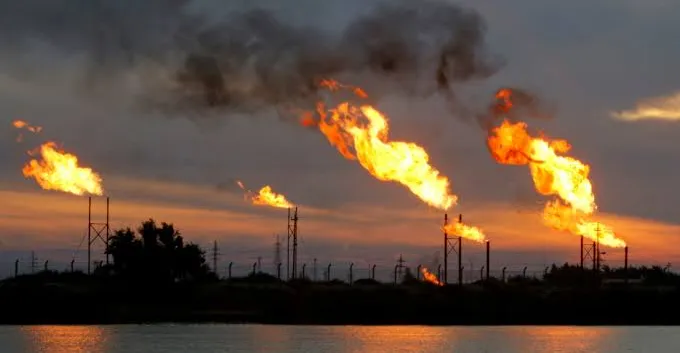
The expansion of strikes in the regional conflict to oil and
gas facilities in Iran and Gulf countries has raised alarm over the possibility
that such attacks could reach Iraq’s energy infrastructure, a concern shared by
analysts and experts interviewed by Shafaq News. Israeli strikes on Iran’s
South Pars gas field, which it shares with Qatar, have been among the most
worrying developments for those involved in Iraq’s energy sector.
Since the launch of military operations on February 28,
2026, the United States and Israel have targeted Iranian energy infrastructure,
including the South Pars field in Bushehr province, the country’s largest gas
reserve. The strikes, described by analysts as a strategic turning point,
caused significant damage to gas processing facilities.
Risks to Iraq
Political analyst Salah Boushi said the chance of the
conflict extending to Iraq’s energy sector, particularly oil facilities,
remains present as regional tensions intensify. “Iraq, given its geopolitical
position, is a sensitive arena for escalation signals,” Boushi told Shafaq News,
adding that any targeting of oil infrastructure would not only affect the
domestic economy but also global energy markets.
He noted that the scenario is still influenced by several
factors, including internal political balances, security coordination, and
efforts by international actors to avoid a broader collapse in energy markets.
However, he warned that escalation could increase insurance and transport costs
and potentially disrupt production or exports, negatively impacting public
revenues and economic stability.
Boushi added that Iraq could mitigate risks by strengthening
security measures around critical infrastructure, enhancing coordination with
international partners, and adopting proactive crisis management policies.
Read more: Wave of attacks on diplomatic missions risks isolating Iraq internationally
Armed Group Activity
“Iraq remains a potential arena for indirect confrontation,
particularly through Iran-aligned armed groups that have targeted US bases and
oil facilities, especially in the Kurdistan Region,” Researcher in strategic
policy Kazem Yawar stated, adding that “All scenarios remain possible.”
In an interview with Shafaq News, Yawar noted that oil
facilities and foreign companies, particularly US firms, had previously been
targeted, especially in the Kurdistan Region, where exports were shipped via
Turkiye’s Ceyhan port.
He added that Iran could expand its scope of targeting Iraqi
oil interests if its own energy facilities continue to come under attack,
suggesting that disrupting oil flows to global markets could be used as a
pressure tool against the United States and its allies.
Limited Threat to Southern Fields
Oil expert Hamza Al-Jawahiri said it is unlikely that direct
attacks would extend to southern Iraq, despite recent near-daily drone strikes
targeting the Majnoon oil field in Basra province.
Al-Jawahiri noted that Iran had previously announced its
intended targets in Gulf countries before carrying out attacks, and had
excluded Iraq, which he described as not directly involved in strikes on
Iranian facilities.
“Iraq is unlikely to be a direct target of Iranian attacks
at this stage,” he said, while stressing that oil interests in the Kurdistan
Region could remain vulnerable. He emphasized that the issue is primarily
security-related rather than purely economic, adding that Iraq has not directly
harmed Iranian economic interests.
Read more: Iran’s denial vs. proxy escalation: Iraq caught between diplomacy and battlefield reality
Economic Pressure
Beyond military risks, experts warn of growing economic
threats. Energy expert Mazen Al-Saad said conflicts often begin with political
objectives but end with economic consequences, with energy at the center.
“Iraq’s economy is heavily rent-based, relying on oil for
about 90 percent of its revenues,” Al-Saad told Shafaq News, warning that the effective
closure of the Strait of Hormuz has already disrupted export routes, noting
that any prolonged halt or reduction in exports would have widespread
consequences.
“Currently, there is no immediate funding crisis as revenues
from previous shipments are still coming in, but within 60 days, the question
will be how to sustain economic activity,” he said.
Al-Saad added that storage facilities in southern Iraq are
nearing capacity, forcing the government to reduce production, warning that
without broader economic planning beyond oil revenues, the country could face
serious challenges.