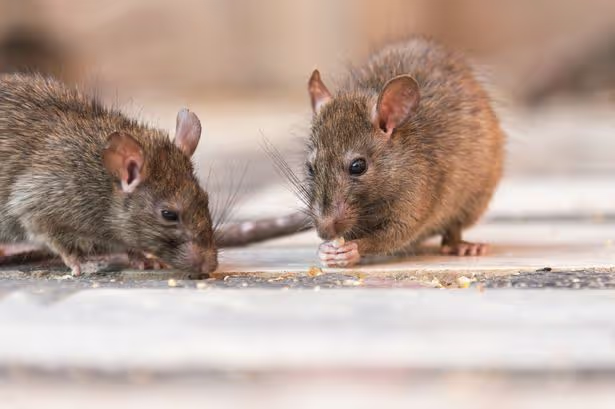
Rats are commonly found in gardens during the warmer months, and now experts warned leaving one item in your garden could be attracting them during the UK heatwave
Katie-Ann Gupwell Content Editor
05:02, 24 May 2026Updated 09:58, 24 May 2026
Rats could wreck havoc at certain times of the year(Image: Getty Images)
With a heatwave creeping up across the country, now is a frightening time for rats. During summer, particularly around period of hot weather, we tend to see them more frequently near our properties, mainly because they’re attracted to food, shelter and water.
The warmer conditions mean people are more likely to dine outside, which gives rats easier access to leftovers. Likewise, unsecured bins and pet food left outdoors can offer a feast for these pests. Open doors and windows provide easy entry routes, while dripping taps and pet bowls offer readily available water sources. However, one seemingly innocent garden feature could also be inviting trouble without your knowledge.
It’s often the simplest items that can attract rats, and they might be sitting unnoticed right in our gardens – such as your compost bin.
Laurence Barnard, country business manager and pest control specialist at BASF Pest Control Solutions, shared some crucial advice for homeowners. With a large Facebook following, the experts are renowned for their helpful guidance.
Laurence advised: “Rats are drawn to gardens primarily because they offer everything they need to survive – food, water and shelter. One of the biggest attractants is uncovered compost bins, as food scraps and decomposing organic matter provide a reliable food source.
“Bird feeders can also unintentionally encourage rat activity, especially if seeds are scattered on the ground. Pet food and water bowls left outside create an easy feeding spot for rodents.
“Unsealed rubbish bins, particularly those with loose or overflowing waste, further increase the likelihood of rats visiting. Beyond food sources, overgrown vegetation, woodpiles and cluttered sheds or outbuildings offer ideal shelter for nesting, while garden ponds, dripping taps, and other water sources provide essential hydration.
“All these factors combined make a garden an attractive environment for rats to settle in.”
Rodents are naturally drawn to available food sources, meaning anything edible left in the open air could invite these nuisance creatures.
These pests are also tempted by conditions that already cater to their needs, including disorganised spaces, simple access routes or readily available water, encouraging them to remain and reproduce.
Laurence elaborated: “The biggest reason people experience rat problems is the availability of food, water and shelter. Rats are opportunistic and will use any environment that provides easy access to these essentials.
“Poor waste management, compost bins, bird feeders, pet food left outside and gaps in buildings or compromised drainage systems, all create ideal conditions for them to thrive.
“Urban areas and extensive sewer systems are particularly prone to infestations, as they provide the perfect environment for rats to travel and availability of food sources.”
Addressing these concerns can reduce the risk of rats entering your property, although remaining vigilant is vital, particularly if food is stored outdoors.
Efforts to tackle certain problems may be beneficial, but there are occasions when professional guidance is required. Rat infestations must not be disregarded.
If you’re dealing with a rat issue, it’s typically recommended to enlist the services of a professional pest controller through the National Pest Technicians Association or the British Pest Control Association, as they possess the skills and experience to swiftly and safely eradicate an infestation.